
The first time I really felt what Rome taught me about living in the moment, I was sitting alone in a tiny piazza near the Pantheon. The stone beneath me still held the heat of the day, the fountain in the center whispered over worn marble, and the sky turned that soft, impossible gold that only seems to exist here. For once, I was not checking a map, not taking photos, not thinking about the next stop. I was simply there.
Most people know the feeling of constant rush. Life becomes a string of plans, alerts, and checklists, even on vacation. Rome is often treated the same way. Many visitors arrive with a tight schedule and the fear of missing out on one more monument, one more museum, one more famous photo. I did that too at first, racing from site to site and arriving home with pictures but very few real memories.
Rome pushed back. This city kept slowing me down with its stubborn traffic, narrow alleys, and quiet corners that begged me to stop. Over time, I began to understand that the Eternal City is one of the best teachers of present-moment awareness. When I relaxed my grip on the plan, the real magic began.
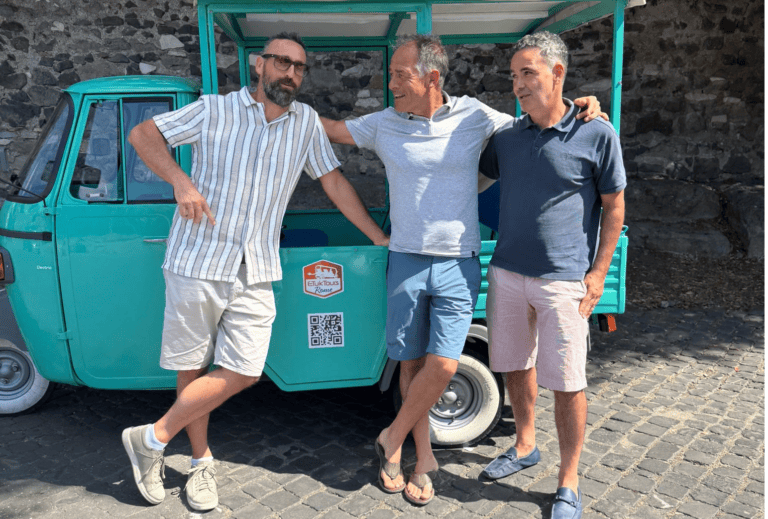
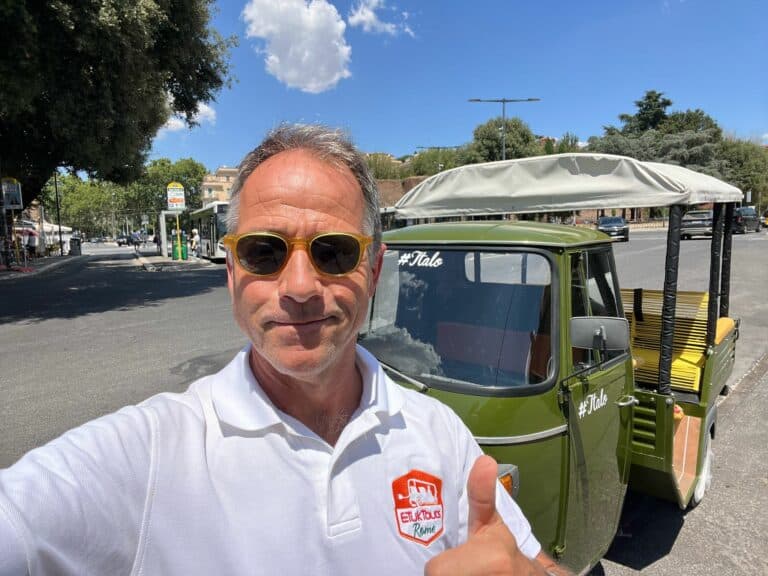
I am Pascal, the founder of ETuk Tours Rome, and this lesson changed not only how I travel but how I live. I started our electric tuk-tuk and golf cart tours to share that experience with others, especially visitors who have very little time and a lot they want to see. In the next sections, I will share the life lessons from Italy that Rome gave me about being present, and how our tours grew from those moments. By the end, my hope is that you will not just know how to see Rome, but how to live mindfully while you are here and long after you go home.
“Wherever you go, there you are.”
— Jon Kabat-Zinn
Key takeaways
- Rome showed me that letting go of a strict plan often leads to the best stories. When I stopped treating the city like a checklist, I started to notice small, perfect moments that no guidebook could promise. This is one of the biggest travel lessons about life that I now share with every guest.
- Moving more slowly helped me notice details I had rushed past for years. A worn inscription, a hidden courtyard, the way light falls through the oculus of the Pantheon all invited me into deeper present-moment awareness. With practice, this became a simple form of mindfulness in daily life.
- The city taught me to match its rhythm instead of fighting it. When I ate when Romans eat, rested when they rest, and joined the evening stroll, I felt much less stressed and far more connected. Mindful living tips suddenly stopped being ideas and became real habits.
- Rome showed me that small, imperfect moments are often the ones that stay in my heart. A sudden rain shower, a wrong turn, or a late opening forced me to let go of control and enjoy the present moment. These surprises later became my favorite stories to tell.
- Guiding travelers in our electric tuk-tuks confirmed what travel teaches you when you listen. People remember not just the monuments, but the shared smiles, the peaceful rides, the stories, and the feeling of being fully present for a few precious hours.
The art of abandoning your itinerary (and finding Rome’s hidden magic)
When people write to me before their trip, many send long lists of everything they want to see in one day. The Colosseum, the Vatican, the Trevi Fountain, the Spanish Steps, every famous piazza, and of course time for gelato and shopping. On paper it seems possible. In real life, it often turns into stress, rushing, and very tired feet.
Rome was not designed for straight lines and fast schedules. Its streets grew slowly over centuries, wrapped around ruins and old walls, bending toward hills and fountains. A route that looks simple on a map can reveal five small churches, three unexpected squares, and one perfect coffee bar. If the only goal is to tick off sights, those chances for discovery slip away. What Rome taught me is that its real heart lives between the big stops.
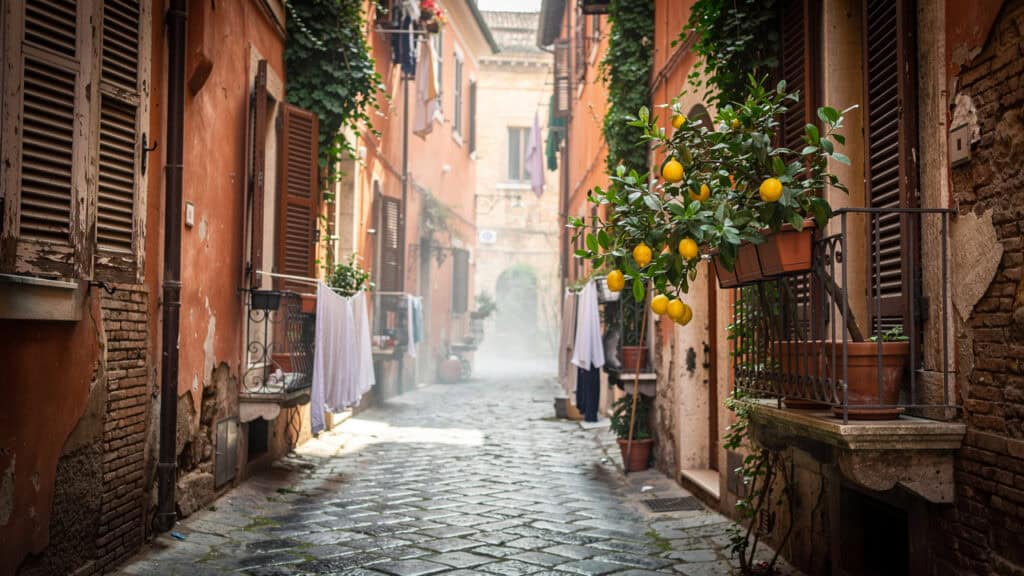
I still remember one afternoon guiding a small family. We were stuck behind a delivery truck in a narrow lane near Campo de’ Fiori. Instead of honking or worrying about the delay, I turned into an alley I had passed many times but never taken. The road opened into a tiny courtyard with potted lemon trees and laundry hanging from a balcony. An elderly woman leaned out, smiled at the children, and pointed us toward her nephew’s trattoria around the corner. That unplanned pause gave them their favorite meal of the trip.
Moments like that taught me a different way to think about time in Rome. When we hold too tightly to our plans, we often feel anxious, watching the clock and worrying about the next step. When we allow a little space, our minds relax, and we notice more. Scientists say our brains are more awake when something feels new and unplanned. In a city like Rome, that open state can appear every few minutes, if we let it.
This does not mean wandering with no idea where to go. I like to call it productive wandering. Have a gentle direction in mind, but stay free enough to follow a sound, a smell, or a sudden view. Take a side street that seems inviting. Pause when something catches your eye instead of walking past it because the plan says move on. Over and over, what Rome taught me is that the city rewards curiosity far more than control.
To make space for this kind of exploring, it helps to:
- Plan fewer major sights per day than you think you “should”
- Leave open half-hours with no fixed goal except walking and noticing
- Allow at least one full stop to sit on a bench or at a café and simply watch
How our electric tuk-tuk tours embrace spontaneity
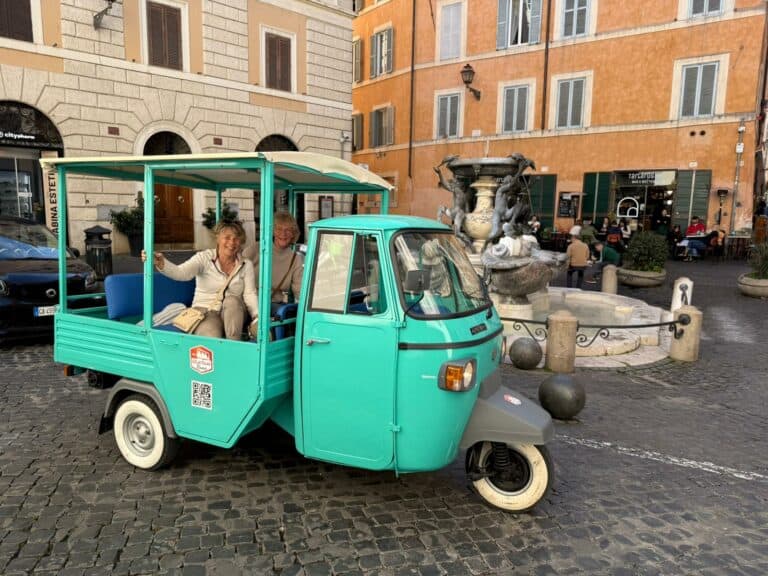
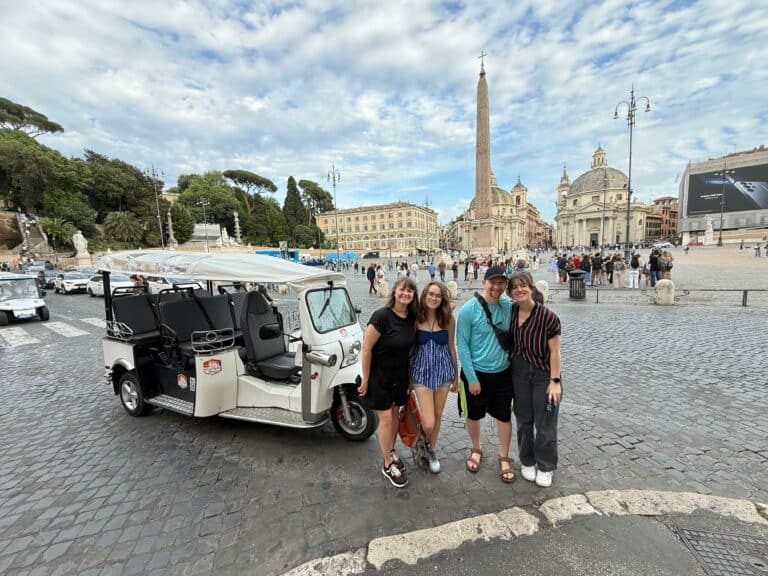
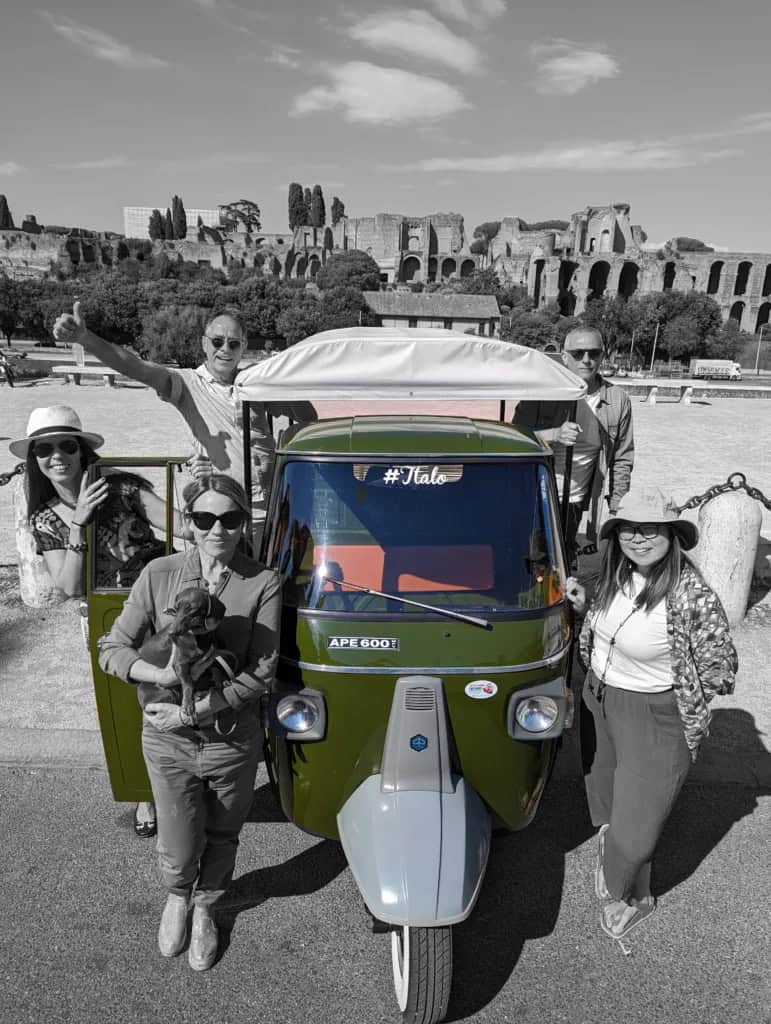
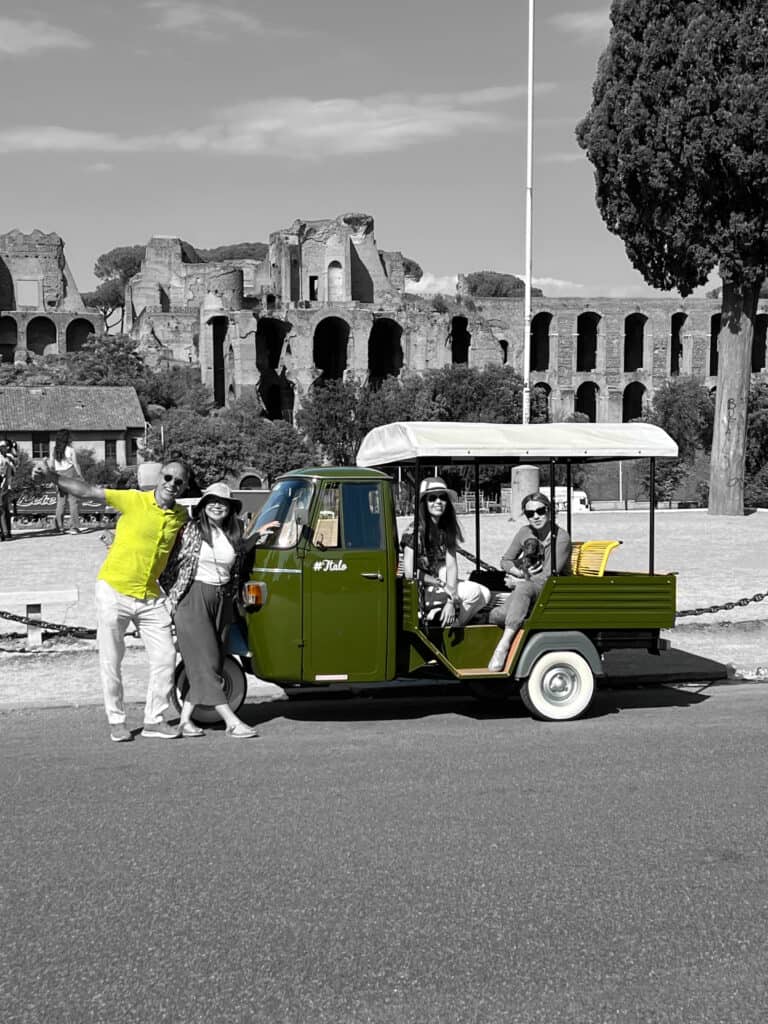
When I created ETuk Tours Rome, I wanted our guests to feel that same freedom without worrying about getting lost or missing their ship back to Civitavecchia. Electric tuk-tuks and golf carts turned out to be the perfect way to do that. They are small enough to slip into narrow lanes, quiet enough that we can talk and listen to the city, and flexible enough to stop almost anywhere when a moment calls for it.
On large bus tours, the route and schedule are fixed. Drivers cannot simply pause on a hill when the sunset suddenly lights up the domes. With our vehicles, I or one of my guides can see that golden light and say that we should stop right here. Guests step out, take a deep breath, and feel that they are not just passing Rome, they are inside it. That simple pause often becomes the memory they tell their friends back home.
Our private 3-hour ETuk Tour is built around this idea. We have a plan for the main sights, of course, but we always leave space to follow the mood of the group. If someone loves art, we might linger longer near a Bernini fountain. If children seem restless, we might stop for gelato in a quiet square with room to run. Some evenings, during our Rome Evening Tour by Golf Cart, we reach a viewpoint and guests fall silent at the view. Instead of rushing them back on schedule, we wait, we watch, and we let Rome do the talking.
One afternoon, a couple on a cruise from Civitavecchia joined me for a day in the city. On the way from the Colosseum to the Trevi Fountain, we heard music from a side street. I turned without a word and we found a small neighborhood festival, with families dancing and laughing under strings of lights. We stayed there twenty extra minutes. They later told me that this was the moment when they truly felt the city, and that it changed how they thought about mindful travel. What Rome taught me, and what our tuk-tuks now allow us to share, is that your most precious memory may be the one you never planned.
Slowing down enough to truly see (the practice of noticing)
Rome can hit the senses like a wave. The smell of espresso and fresh cornetti in the morning, the warmth of afternoon sun on pale stone, the echo of footsteps in a cool basilica, the sudden ring of church bells from somewhere above. It is easy to be amazed for a second and then rush on. The real art is staying with what you see and feel long enough for it to sink in.
Over the years I have watched thousands of visitors pass through the same piazzas. Many walk straight past incredible details because they are focused on reaching the next famous landmark. I have seen people stand in front of a Bernini sculpture, raise their phones, take three quick photos, and then leave without ever really looking at the stone itself. What Rome taught me is that living in the moment here means slowing down enough for your eyes, ears, and heart to catch up.
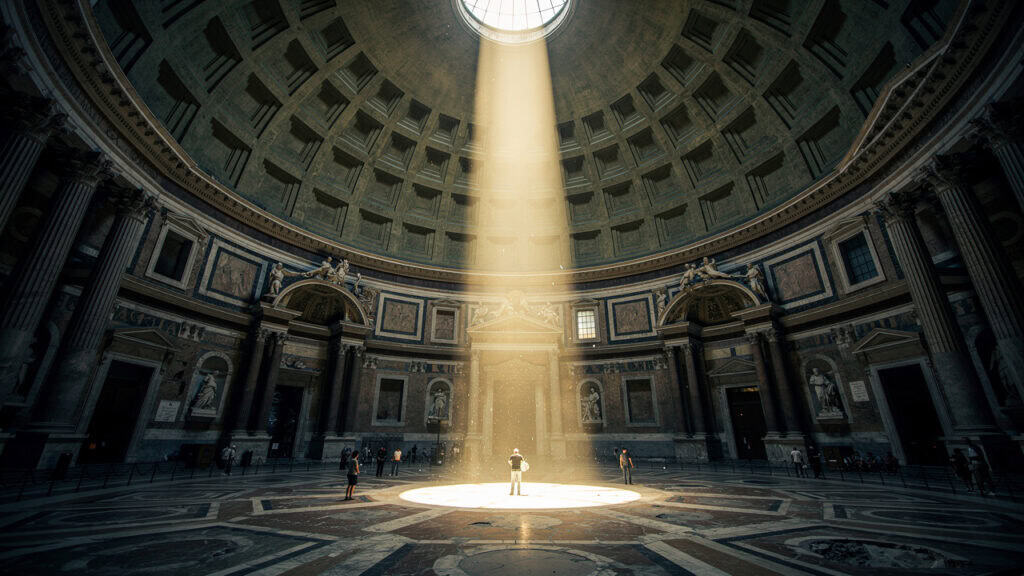
I started playing a small game with myself. At each stop, I would pick one thing and give it my full attention for a few minutes. At the Pantheon, instead of just checking off that I had been there, I watched the light slide across the floor from the oculus. I noticed how people lowered their voices as they entered. I looked closely at the marks in the marble columns, thinking of the workers who lifted them into place two thousand years ago. That simple practice of slow looking made the building feel alive.
“It’s not what you look at that matters, it’s what you see.”
— Henry David Thoreau
This is a simple mindfulness practice anyone can try. Choose one corner of a square, one statue, one view, and stay with it. Ask what it smells like, how the air feels, what small sounds are around you. The difference between seeing and truly observing is only a few extra minutes, but it changes everything. Scientists say that our brains store memories better when several senses are active at once. In other words, the more you notice, the more the moment stays with you.
Of course, there is the phone problem. I love photos, and I know friends and family at home want to see what you saw. But there is a risk of living your trip through a screen instead of your own eyes. One small trick that helped me is this. First, look at a place with no camera in your hand. Take three slow breaths. Notice three details. Only then take your photos. If you do, the images will carry more feeling because you were actually there with them.
What Rome taught me about mindful living is that depth beats speed every time. You can rush through ten churches and remember almost nothing. Or you can give yourself time with one quiet chapel and carry that peace with you for years.
What you notice from an electric tuk-tuk that you’d miss on foot
Walking is a beautiful way to know a city, but Rome can be hard on the body. Many visitors easily walk ten miles in a day without realizing it. By late afternoon their feet hurt, the sun has drained their energy, and their minds feel foggy. At that point, even the most stunning view becomes just one more thing to get through instead of a chance for present-moment awareness.
When I first tested electric tuk-tuks in Rome, I was surprised by how much more I noticed from that slightly raised seat. You are higher than a pedestrian, so you see over crowds and parked cars. At the same time, you stay low and open to the street, unlike on a tall tour bus behind glass. This middle view lets your eyes travel easily from stone to sky, from shop window to balcony, picking up details that would be hidden at ground level.
There is another benefit. Because the vehicle carries the weight, your body can rest while your mind stays sharp. You do not need to think about blisters, hills, or how far you still need to walk. That mental space can now go to noticing small things: the way ivy curls around a doorframe, the chipped paint on an old shutter, the reflection of a dome in a puddle after rain. During our tours, guides often point out these little scenes, and I see guests lean in and smile.
Our engines are fully electric, so the ride stays quiet. You can hear church bells, fountain water, and even bits of conversation in Italian as you pass. On our evening rides, the tuk-tuk moves slowly enough that you can watch how the light changes on the stones from orange to soft blue. For cruise passengers who have already had a long day getting from Civitavecchia to Rome, that smooth glide offers rest without turning off their senses. What Rome taught me is that presence is not only about walking more. It is about finding the right pace, and for many people, that sweet spot is a relaxed ride through the city with eyes wide open.
Exploring the layers of time (Rome’s lesson in historical presence)
One of the first things that amazed me in Rome was how many centuries can fit into a single view. Stand in Piazza Navona and you feel it. Crowds eating gelato, street artists painting, children chasing bubbles. Yet the shape of the square still follows the outline of an ancient Roman stadium buried just below. One place, many times, all at once.
What Rome taught me is that living in the moment here does not mean forgetting the past. It means feeling the past under your feet while you stand in the present. In the basilica of San Clemente, for example, you can walk down from a medieval church to a deeper level from the fourth century, and then even lower into a first-century house with a small temple. The air cools as you descend, and each level carries a different sound and smell. It feels like time itself has layers, and you are moving through them.
When I guide guests past a simple brick wall, I often show them how many stories hide in it. A Roman column reused in a medieval doorway. A Renaissance window frame cut into an older wall. A modern shop front leaning against ancient stone. Once you start to see these mixtures, the whole city changes. It stops being just a set of old buildings and becomes a living memory of human life.
This awareness has a quiet, grounding effect. You realize that people have loved, argued, worried, and laughed on these streets long before us. Their fears about war, money, and family sound very much like ours when you read their writings. That recognition can soften the pressure many of us feel. Our problems still matter, of course, but we also belong to a much larger story that has been going on for thousands of years.
For me, this sense of deep time is a kind of mindfulness practice. When I pause in the Forum and imagine togas sweeping past me, or I stand inside the Pantheon and think of the prayers spoken there over centuries, I feel very present. My body is in this exact second, but my mind is open to all the lives that have passed through this same space. What Rome taught me is that being present can include respect for everything that came before, not just focus on what comes next.
How local guides bring Rome’s layers to life
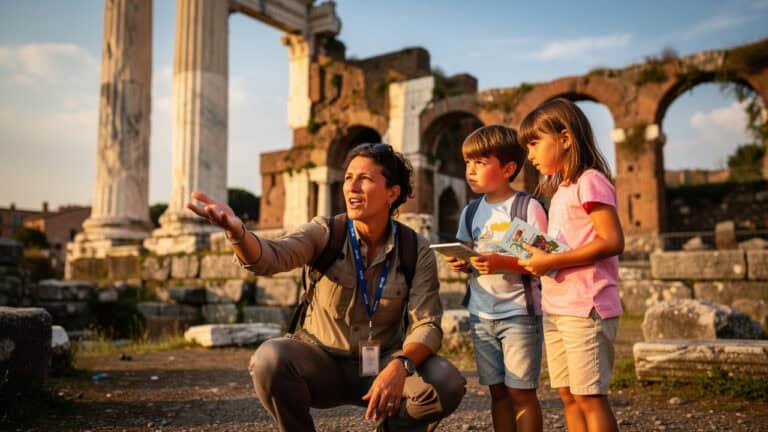
Seeing layers is one thing. Hearing their stories is another. I learned early on that a good local guide can change an old stone into a living character. That is why ETuk Tours Rome has always centered around guides who love this city and know how to share it in simple, clear language.
When a guide points at what looks like a random column in a wall and explains that it once stood in a pagan temple, suddenly you are not just looking at stone. You are seeing ancient rites, candles, and crowds in your mind. When they tell you that the church you just entered sits on the remains of a Roman house, and that parts of the floor are still the original mosaic, you start to feel that you are walking inside a story, not just inside a building.
On our tours, guides often connect food to history as well. During Food Tours Rome, for example, guests might taste a cheese whose style goes back to Roman times while walking through streets that once carried carts of grain into the city. When you bite into a piece of rustic bread and learn that its recipe has roots in farm villages outside Rome, the flavor carries a sense of time as well as taste. What Rome taught me is that cultural mindfulness often starts in the stomach.
For cruise passengers or first-time visitors with limited hours, a guide becomes even more important. There is no time to read long panels or study books before each site. A good guide can give you the key ideas in a few sentences while you ride, then leave quiet moments when you arrive so that you can feel the place for yourself. In that balance between story and silence, the layers of Rome become clear without feeling heavy.
The rhythm of Roman life (learning to match the city’s pace)
Rome not only looks different from many cities, it moves differently too. When I first moved here, I tried to keep my old rhythm: quick breakfasts, fast lunches, packed afternoons, early dinners. Rome pushed back with closed shops, long meals, and streets that were quiet when I wanted them busy and busy when I expected calm. It took time for me to see that this rhythm was not wrong. It was wise.
What Rome taught me is that not every moment needs to be filled with doing. Some moments are meant simply for being. In the morning, the city feels focused but gentle. People grab coffee at the bar, stand for a minute, chat with the barista, and then move on. Around midday, especially away from the most touristy zones, you will notice shutters closing and streets going quiet. This is the pausa, a break for rest, food, and family. In the evening, life returns to the streets as people stroll, talk, and enjoy the cooler air.
The evening walk, the passeggiata, may be one of the best examples of present-moment awareness in daily life. You see families pushing strollers, grandparents arm in arm, teenagers laughing with friends. No one seems to be in a rush to arrive anywhere. The point is the walk itself, the gentle movement and the simple act of seeing and being seen. When I first joined this daily ritual, I felt a deep calm that I had missed for years.
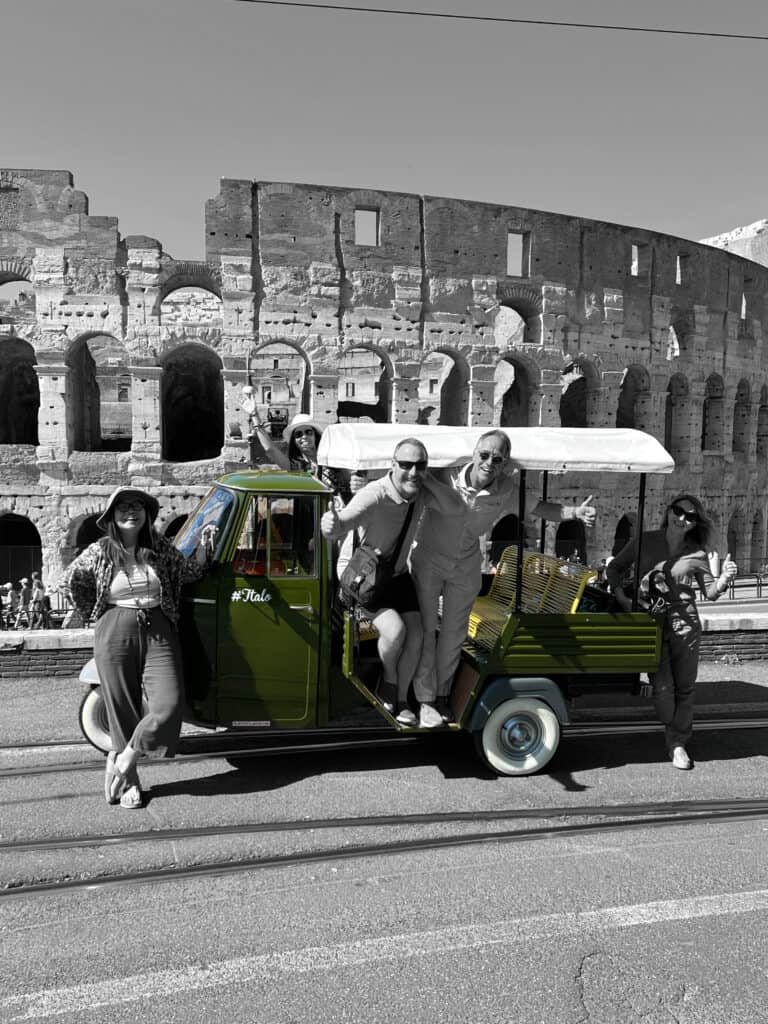
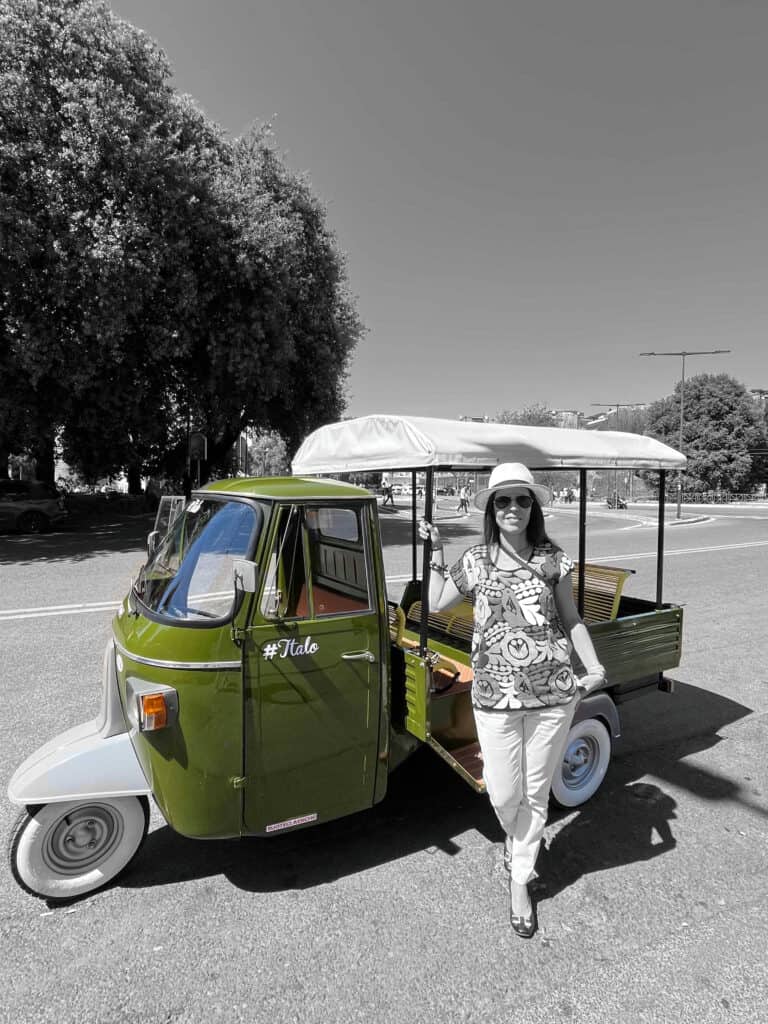
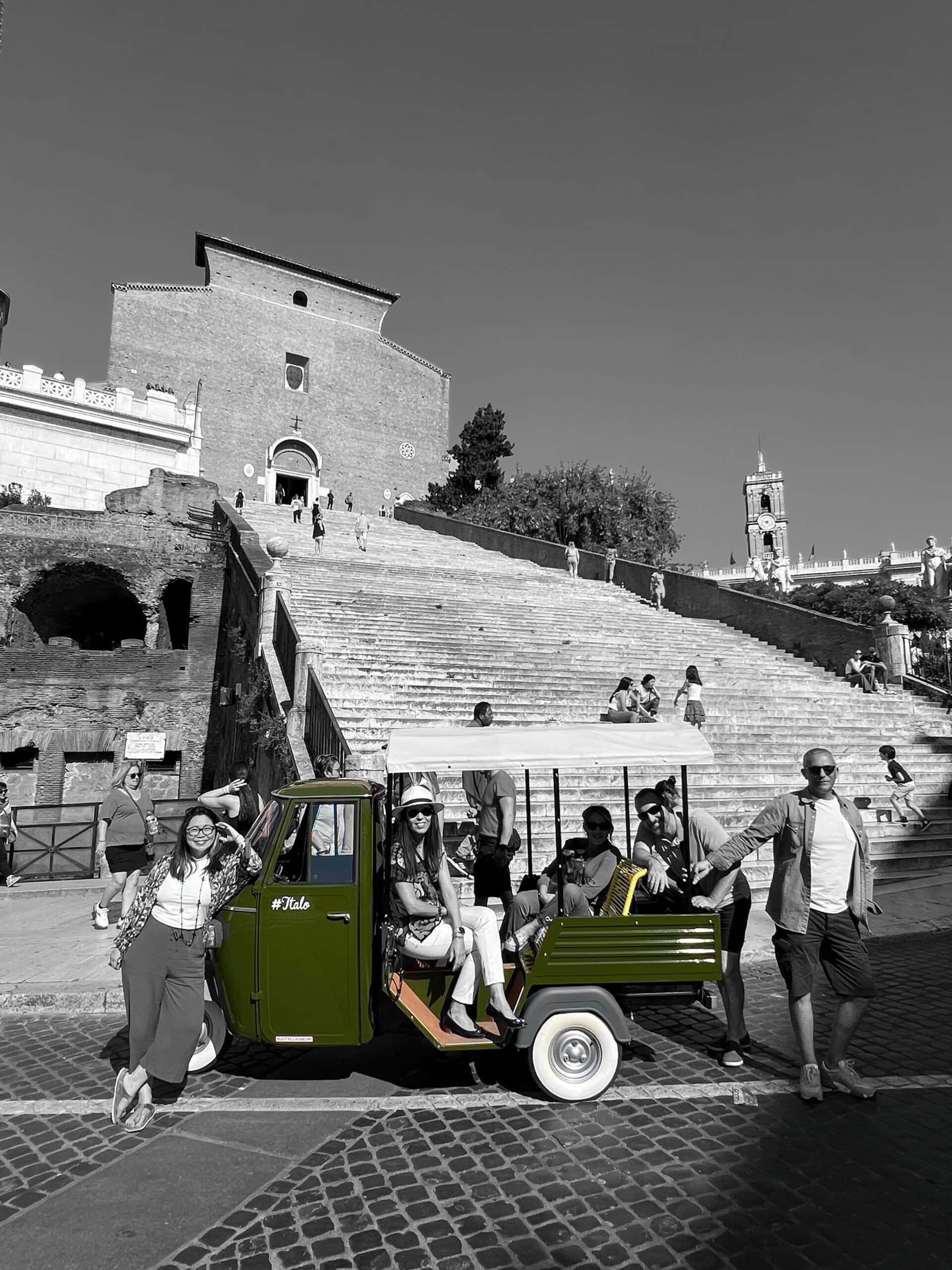
Tourists often fight this rhythm without meaning to. They plan long museum visits during the hottest hours, rush through lunch, and eat dinner far earlier than locals. They end up hot, tired, and sitting in half-empty restaurants while Romans are still at home. Once I started guiding, I saw how much better people felt when we adjusted to the city’s natural flow. A quiet morning at key sites, a break in the middle of the day, and a soft evening outside changed their whole impression of Rome.
What Rome taught me about how to live mindfully is that doing less can help you feel more. When you match your steps to the city’s pace, stress drops and presence rises. You are no longer fighting Rome. You are moving with it.
Timing your ETuk tour with Rome’s natural rhythm
When we plan ETuk Tours, we think carefully about the city’s daily rhythm. Morning tours are wonderful for guests who like fresh air and calm streets. We can reach big sights before the largest crowds arrive, which means more space to breathe, listen, and look without pressure.
Evening tours offer a different kind of magic. Our Rome Evening Tour by Golf Cart runs during the soft light of late afternoon and early night. Monuments glow against a darkening sky, fountains reflect the last color of sunset, and the atmosphere feels both peaceful and alive. Guests often tell me that this time of day makes it easier to slow down and enjoy the present moment.
For cruise passengers coming from Civitavecchia, timing matters a lot. Your hours in Rome are precious, and the wrong schedule can leave you hot, rushed, and overwhelmed. Private day tours let us avoid the strongest midday heat, plan a proper pause, and finish with a cooler ride when the city relaxes. On food tours, we follow real Italian meal times so that you eat when the locals eat, which adds to the feeling of cultural mindfulness. With careful timing, a short stay in Rome can still feel spacious.
Savoring rather than consuming (Rome’s lesson in sensory presence)
Food is one of the clearest ways Rome taught me about savoring life moments instead of just consuming them. I remember one of my first visits when I grabbed a slice of pizza standing up, checked my phone with the other hand, and then rushed off to the next site. The pizza was good, but the moment vanished the second it was over. Years later, I can hardly recall it.
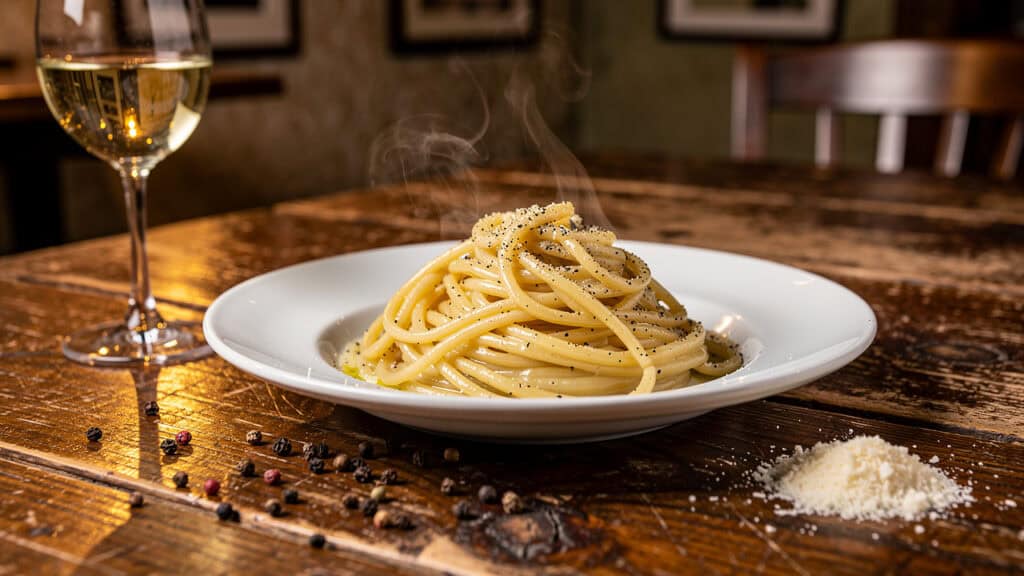
Another night, after I had started ETuk Tours Rome, I sat down in a small family trattoria with no hurry at all. The owner brought a simple plate of cacio e pepe, just pasta, pecorino cheese, and black pepper. I watched the steam rise, smelled the sharp cheese, and took a bite slowly. Outside I could hear distant traffic and close conversation. I felt the rough wood of the table under my hands. That plate was not fancy, but because I was present, it became one of my clearest food memories.
What Rome taught me is that the difference between consuming and savoring is not money or status, but attention. The same is true for art. I have seen visitors snap ten photos of a Bernini angel in ten seconds. I have also watched others sit on a bench and look at that same sculpture for several quiet minutes, tracing the folds of marble with their eyes. Years later, those are the people who still write to me about that angel.
“Drink your tea slowly and reverently, as if it is the axis on which the world turns.”
— Thich Nhat Hanh
A simple way to practice this kind of mindful eating and looking is what I call a sensory inventory. When you arrive at a new place, sit or stand still and ask what you can see, hear, smell, taste, and touch. In Rome this might mean the smell of coffee and warm bread, the feel of cool marble under your fingers, the sound of water, the sight of orange trees against a clear sky, and the taste of real gelato melting slowly on your tongue. Naming these details in your mind helps your brain record them more deeply.
Of course, social media can pull attention away from the senses. It is tempting to focus on getting the perfect shot instead of the perfect memory. One simple rule I suggest to guests is this. Enjoy the first part of the experience with no phone at all. Eat two or three bites of your pasta before you think of a photo. Listen to the street musician for a whole song before recording. If you still want a picture after that, take it. You will notice that the desire to show others often softens when your own experience feels complete.
What Rome taught me about mindful living is that one fully savored meal, one well-seen painting, or one carefully noticed sunset can feed the heart far more than a long list of half-lived moments.
Our food tours as lessons in mindful indulgence
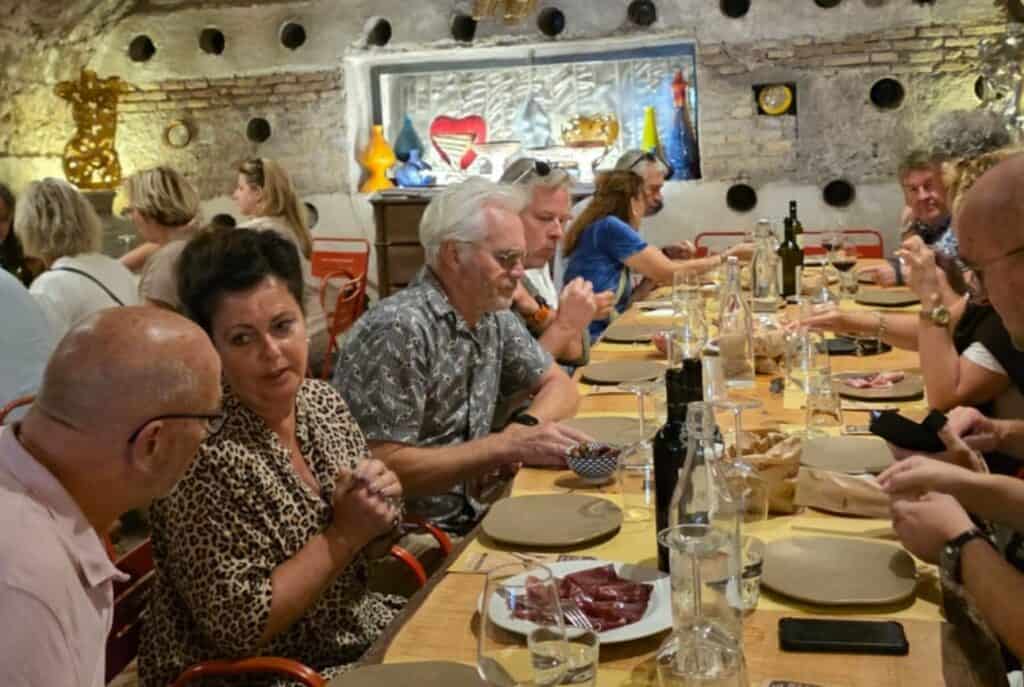
Food Tours Rome grew out of my wish to share this way of savoring with guests who love to eat. These experiences are not about stuffing yourself. They are about tasting with attention. On a typical tour, guests might try five different cheeses, five cured meats, fresh artisan bread, and local wine, all chosen with care from small producers.
Because portions are modest and spaced out, people can focus on each flavor instead of rushing from one heavy plate to another. A guide explains where a cheese comes from, how a wine is made, and why a certain meat is sliced in a particular way. With every little story, the taste gains more depth. Eating becomes a kind of gentle mindfulness practice instead of a quick way to fill the stomach.
Between stops, we walk or ride through old streets, giving time for conversation and digestion. Guests often start talking with each other about what they liked best, sharing personal food memories from home. This social element turns tasting into a shared presence exercise. People listen more closely, smile more easily, and pay attention to how they feel.
We also try, whenever possible, to connect guests with the people behind the food. Meeting a baker who gets up before dawn or a cheese seller who knows every producer by name adds a human layer to the flavor. For visitors with limited time, especially those from cruise ships, a well-planned food tour offers a rich slice of Roman life in just a few hours. What Rome taught me, and what our food tours now show day after day, is that mindful indulgence is not about having more. It is about noticing more.
If you want to book one of these tours with me, visit this page to start your Rome Food experience.
Finding stillness in movement (the meditative quality of exploration)
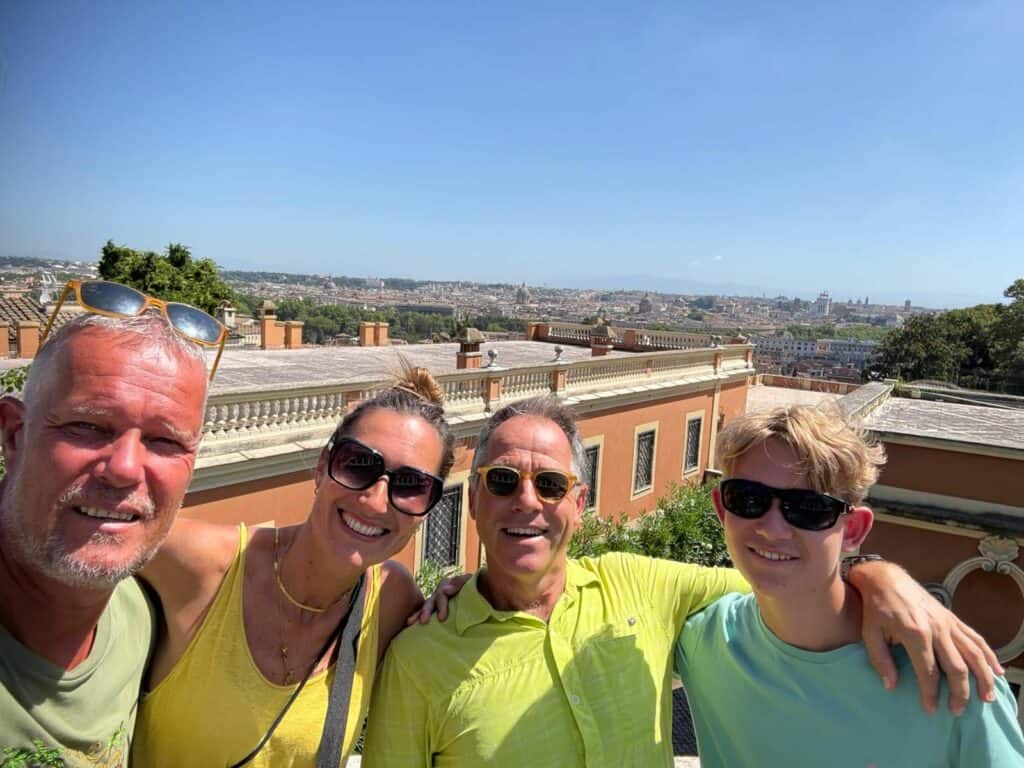
Many people think of meditation as sitting still with closed eyes. Rome taught me another form of calm. It came while walking slowly through its streets, breathing in rhythm with my steps, open to whatever appeared next. In those moments, motion itself felt peaceful.
I often watch two kinds of travelers. One type rushes between sites, checking the time, weaving through crowds, and speaking in short, tense phrases. The other walks with a steady pace, ready to pause when something looks or sounds interesting. Both cover distance, but their inner worlds are very different. What Rome taught me is that the way we move changes the way we feel.
There is a long tradition of walking meditation in many cultures. The idea is simple. You let your attention rest on your feet, your breathing, and the sights around you instead of on your thoughts. Rome is perfect for this. Streets curve and open in surprising ways, giving small rewards at every turn. A sculpted doorframe here, a cat sleeping on a step there, a sudden view of a dome at the end of an alley. Each one can be like a bell that brings you back to the present.
When I guide, I often remind guests that the time between monuments matters as much as the monuments themselves. Some of my favorite memories are not from inside big sights, but from the paths between them. A quiet conversation with a guest as we crossed the Tiber. A moment of shared silence when we turned a corner and the sun hit the city just right. These are perfect examples of enjoying the present moment through gentle movement.
Of course, not everyone has the same level of physical strength. Children tire quickly, older adults have tender knees, and even fit visitors can feel drained by long days. The key is to find a pace that keeps the body awake but not strained. Short walks between relaxed rides, regular pauses, and awareness of how the body feels all help. What Rome taught me about being present is that stillness is not only found in stopping. It can also be found in moving with care.
The quiet meditation of electric tuk-tuk travel
Electric tuk-tuks added a new form of moving calm to my life in Rome. I like to think of a good tour in these vehicles as a kind of gentle moving meditation. Guests sit back while the city slowly unfolds around them. There is motion, but no effort.
The ride has a soft, steady rhythm. Without the noise of a loud engine, the sound of the city becomes clear. You hear shoes on stone, faint music from open windows, and the murmur of voices in a nearby café. The open sides let you feel the air on your skin, whether it is the warmth of a summer evening or the fresh coolness after rain. All of this helps the mind settle into the present moment without strain.
Unlike a bus, a tuk-tuk keeps you close to the street. You can make eye contact with people as you pass, smile at a child, or wave at a shopkeeper. Unlike walking, you do not need to watch your step or worry about how far you still need to go. Your attention can rest full-time on what you see and hear. Many guests tell me they find themselves falling quiet during parts of the ride, not from boredom, but from peaceful focus.
This style of travel is especially helpful for families. Children can look around without complaining about tired legs. Grandparents can join in without fear of long walks or steep hills. Cruise passengers who have already been up since early morning can relax while still exploring. Evening tours are my favorite for this. Floating through Rome as lights come on, hearing fountains in the dark, and watching shadows grow deeper on ancient walls feels almost like gliding through a dream you will fully remember.
What Rome taught me, and what our electric tuk-tuk tours now show every day, is that movement can quiet the mind when the body feels safe and supported.
Connecting with strangers and locals (presence in human connection)
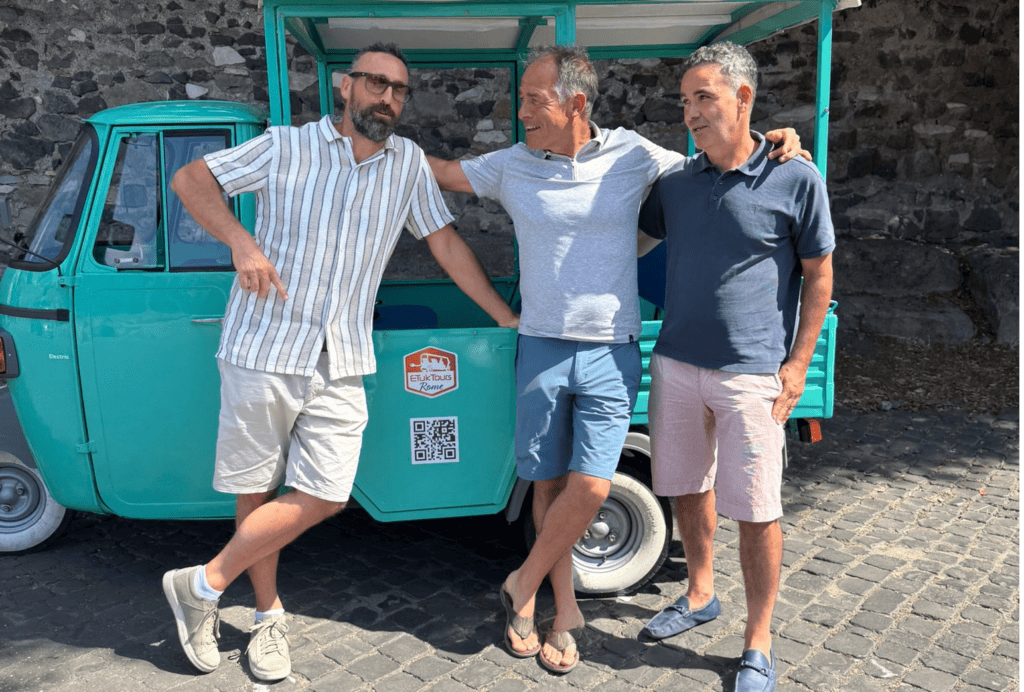
Some of my strongest memories in Rome have nothing to do with stone or art. They are about people. One morning many years ago, I walked into the same tiny bar for coffee that I had visited the day before. Before I could order, the barista smiled, nodded, and started preparing my usual. He did not know my name, and I did not know his, but in that small act I felt seen.
What Rome taught me is that living in the moment is not only about noticing places. It is also about noticing people. Yet many travelers pass through the city in a kind of bubble. Earbuds in, eyes on the phone, quick nods instead of real contact. It is a shame, because Rome is one of the most social cities I know. Piazzas are like living rooms, and bars feel like extended family kitchens.
Small connections can happen anywhere. A baker who smiles when you come back a second time. A waiter who suggests a dish that is not even printed on the menu because he thinks you will like it. A local who walks you halfway to your destination while giving directions and sharing a story from their own life. These moments do not take long, but they stay with you far longer than another quick photo of a fountain.
“People will forget what you said, people will forget what you did, but people will never forget how you made them feel.”
— Maya Angelou
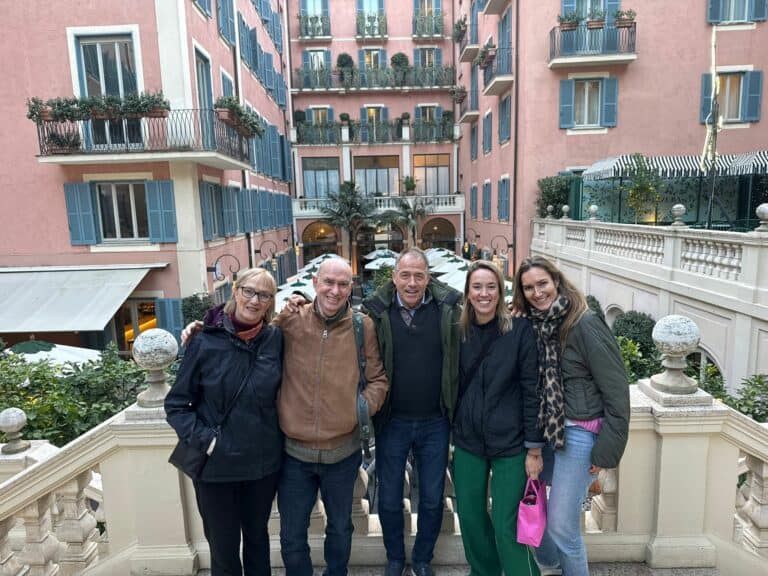
On my tours, I see how shared experiences bind people together. Two couples who had never met might arrive as strangers and leave exchanging email addresses after laughing together at some surprise along the way. Families often tell me that what they remember most is not the exact order of sites, but the jokes, the shared awe, and the feeling of discovering things side by side. This is presence in human form.
Even language differences can be a gift. When you do not share many words, you rely more on your eyes, your hands, and your smile. You are forced to pay more attention. Rome’s tradition of aperitivo, when people gather for a drink and small bites before dinner, is a perfect example. It is less about the food and more about the chance to talk, watch, and be together.
What Rome taught me about mindful living is that we remember faces at least as much as buildings. When we put down our devices, make eye contact, and stay open to brief connections, a city full of strangers starts to feel surprisingly close.
The ETuk Tours small-group advantage for connection
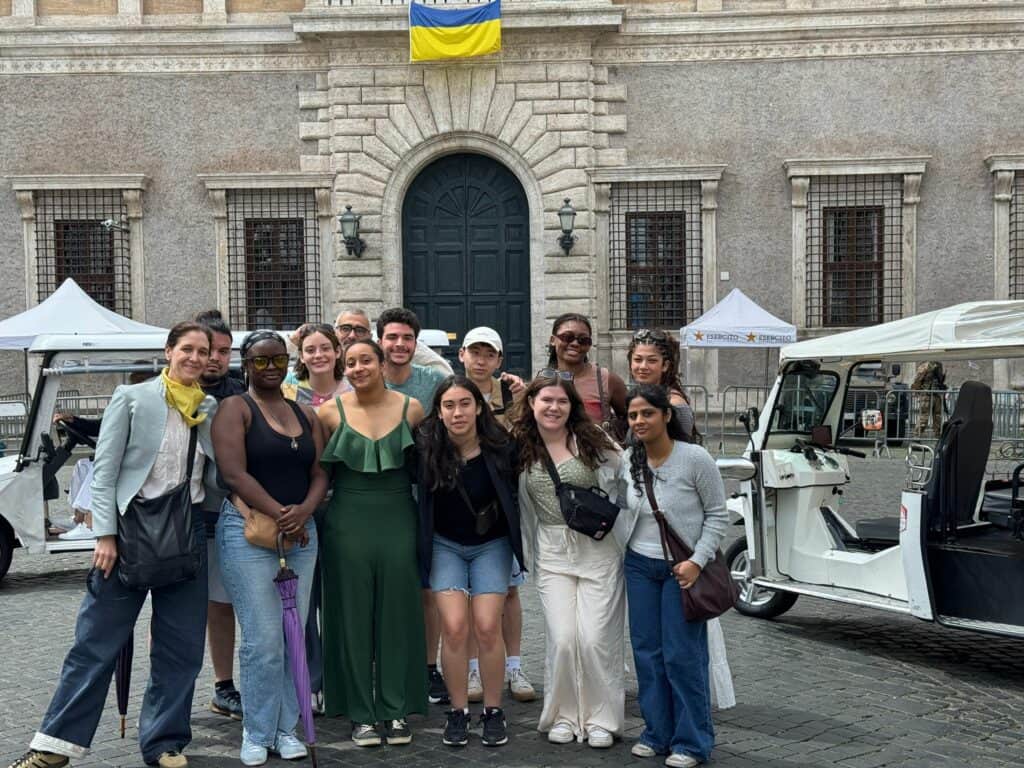
From the start, I knew I never wanted ETuk Tours Rome to be about moving large crowds. Small groups and private rides create a different world. In a tuk-tuk or golf cart, everyone can hear each other without effort. People ask questions, share thoughts, and even tell parts of their own story. After a short time, the group feels more like a team than a set of strangers.
Guides can read this atmosphere and respond. If a guest shows special interest in history, art, or food, the guide can add details and suggestions on the spot. If two families seem to click, we might pause a little longer at a viewpoint to let them talk and enjoy the scene. There is space for laughter, for quiet, and for real conversation that would be impossible on a huge bus.
Food tours add another level. Sitting around a table and passing plates is one of the oldest ways humans connect. Guests taste, comment, and compare their impressions. Parents help children find words for new flavors. Couples share knowing looks over a glass of local wine. Many times I have watched people who met only hours before walking away as new friends, still talking as they disappear down the street.
For couples, a private tuk-tuk ride through Rome at night offers a romantic setting with just enough social warmth from the guide’s stories. For families and groups of friends, a private tour keeps everyone together without outside noise. What Rome taught me, confirmed daily on our tours, is that real connection needs space. Small groups give that space.
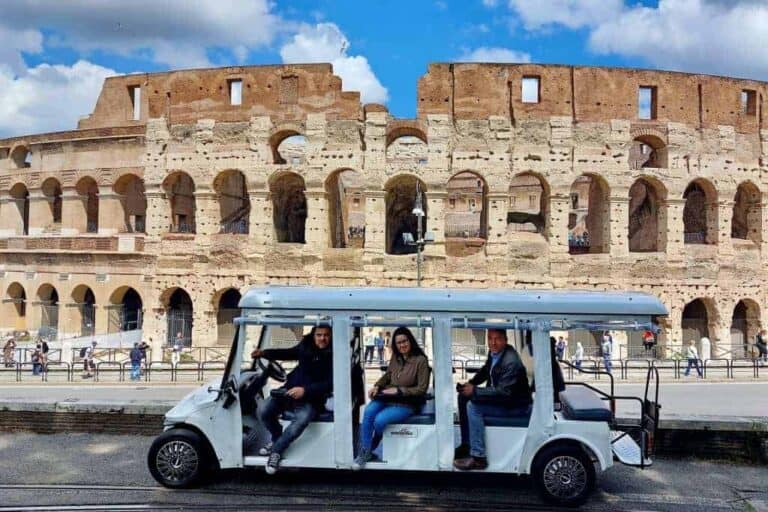
Tour of Rome in 7 seater Golf Cart
Golf Cart Tour Rome – Explore Rome at ease on our 3‑hour shared golf cart tour in Rome. Glide past the Colosseum, Trevi Fountain, Vatican Square and more in comfortable, eco‑friendly style – perfect for small groups wanting to see the city’s highlights with ease and fun. Book now for a memorable ride through Rome!
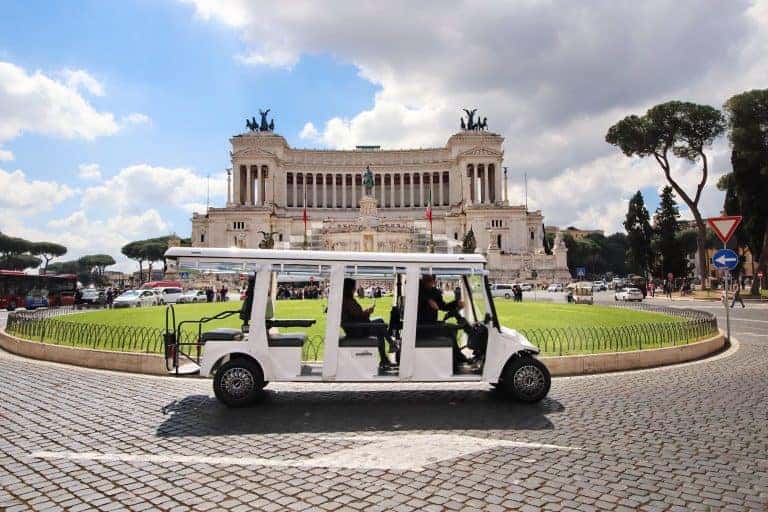
Rome Day Tour by Golf Cart: Cruise Ship Experience from Civitavecchia
Rome Golf Cart Tour from Civitavecchia Cruise Port – Step off your ship at Civitavecchia and glide through Rome on our Rome Day Tour by Golf Cart. Enjoy private transport, a relaxed ride through the city’s iconic sights, and seamless return—your perfect one‑day Roman adventure.
Accepting imperfection and the unplanned (Rome’s lesson in letting go)
Rome is beautiful, but it is not neat. Stones crumble, traffic swirls in odd patterns, buses run late, and some of the best places look a bit worn around the edges. For visitors who are used to strict order and speed, this can feel frustrating at first. It certainly did for me. I wanted everything to run on time and every plan to work exactly as written.
Then Rome started to teach me another lesson. One day, a sudden storm rolled over the city while I was guiding. We had planned to visit a view terrace, but heavy rain and dark clouds made it pointless. Instead, we ducked into a church I had never noticed before. Inside, candles flickered, the air smelled of wax and stone, and a choir practiced softly in a side chapel. My guests said it was the most peaceful moment of their trip. The rain had ruined our plan and given us something better.
What Rome taught me is that perfection is not the goal. Presence is. When we cling to a perfect image of how a day should look, every small change feels like failure. When we accept that things will shift, we can stay open to new gifts. A closed site might send you down a side street with your best gelato. A traffic jam might make you notice a view you would have missed. A lost reservation might introduce you to an even kinder host down the block.
There is also beauty in the city’s physical imperfection. Weeds growing between stones, faded paint on a wall, a statue with a broken nose. These signs of age remind us that nothing stays new forever, and that does not make it less worthy of love. In fact, it often makes it more lovable. Many Romans have a relaxed saying for this spirit, la dolce far niente, the sweetness of doing nothing. I think of it as the sweetness of not fighting what is.
For me, this became a powerful mindfulness practice. When something goes wrong, instead of saying this should not happen, I try to say this is what is happening now. From that place, I can respond instead of simply resisting. What Rome taught me, and what I try to pass on to guests, is that you cannot be fully present while arguing with reality. Letting go a little makes space for surprise.
How we handle the unexpected with grace
Running tours in a city like Rome means I meet the unexpected almost every day. A protest closes a main road. A museum changes its hours. A sudden storm rolls in from the west. Instead of seeing these events as disasters, my team and I treat them as chances to show guests a different side of the city.
Our guides know many routes through Rome, not just the standard lines on a map. If a main street is blocked, they can shift to smaller lanes that are often prettier anyway. If an outdoor stop becomes impossible because of weather, there is almost always a nearby church, covered viewpoint, or cozy café where we can wait and still enjoy the moment. Guests often tell me later that they preferred the backup plan.
Small electric vehicles have a clear advantage here. They can slip around traffic where big buses get stuck. Private transport means we do not depend on public schedules, which can change with little notice. For cruise passengers, this flexibility brings real peace of mind, because getting back to Civitavecchia on time is not optional. We build schedules with extra time and always keep an eye on the clock so that guests can relax.
One of my favorite memories is of a day when the Colosseum closed early due to an internal issue. My guests were disappointed at first, of course. But we shifted to a hill with a broad view over the Forum and the city instead, arriving just as the light turned soft. We spoke about the history from there, took quiet photos, and let the scene sink in. Later, they told me they were almost glad the original plan had failed. What Rome taught me is that when guests trust local guides, the unexpected turns from threat into adventure.
Bringing Rome’s lessons home (practicing presence in daily life)
Whenever I say goodbye to guests at the end of a tour, I know they are taking home photos, stories, and maybe a new love for gelato. But I also hope they are taking something deeper. What Rome taught me about living in the moment did not stay in Rome. It changed how I move through ordinary days.
The real test comes after the flight home, when work, school, and screens return. It is easy to slip back into old habits and forget the calm you felt in a Roman piazza at sunset. To keep that feeling alive, I began to copy small Roman habits in my own daily life. Simple rituals, not big changes, made the biggest difference.
Here are a few that helped me:
- Morning coffee ritual: Instead of drinking it while reading emails, I now try to have at least one cup the Roman way. I stand or sit, hold the warm mug, smell the steam, and take a few slow sips with no other task. For ten minutes I let that be enough.
- Midday pause: Even on busy days, I try to step away from my desk, go outside if possible, and simply breathe for a few minutes. A small walk around the block, a few minutes on a bench, or a short call with a friend all work. What matters is a clear break between the first and second parts of the day, like a tiny pausa.
- Evening presence: I often think of the passeggiata. At home, that might mean a walk around the neighborhood after dinner with no goal other than to move and look. It might mean sitting on the front steps or balcony and watching the light change.
Meals are another chance for presence. Keeping phones away from the table, tasting food slowly, and talking face to face with family or friends all bring back the feeling of a Roman night.
Weekends can carry the spirit of exploration. You do not need ancient ruins to practice cultural mindfulness. Visit a part of your own town you do not know well. Notice old buildings, read plaques, and ask locals about their favorite spots. The layers of time exist everywhere, not only in Rome. Objects from your trip, like a small postcard or a ticket stub, can act as reminders. Place them where you will see them, and each glance can invite a brief pause.
Most of all, what Rome taught me is to allow imperfection and surprise in daily life. When traffic is worse than expected or a plan falls through, I try to ask myself what new possibility is opening instead. This shift does not remove stress, but it softens its grip. Over months and years, these small habits add up to a different way of being present, right where you are.
Planning your mindful Rome experience
If you have not yet visited, or if you are planning to return, you can already choose how you want your time in Rome to feel. You can treat it like a race, or you can treat it as an invitation to presence. What Rome taught me suggests the second option brings far more joy.
Start by setting a clear intention. Instead of saying that you must see every famous site, decide that you want to feel calm, connected, and awake while you are here. Then build a plan that leaves breathing room. Choose a few must-see places, and leave open blocks of time for wandering, rest, and surprise. Remember that three deeply felt experiences will stay with you longer than ten rushed ones.
“A good traveler has no fixed plans and is not intent on arriving.”
— Lao Tzu
Guided tours can support this approach rather than limit it. When someone else handles transport, timing, and navigation, your mind is free to notice what is around you. Local guides give context that makes each place more meaningful, which is one of the easiest mindful living tips I know. They also set a pace that avoids exhaustion, especially important in a city with so many hills and stones.
For cruise passengers from Civitavecchia, a Private Rome in a Day Tour or Rome Day Tour by Golf Cart can turn a tight schedule into a relaxed, rich visit. First-time visitors often love starting with a private 3-hour ETuk Tour, which gives a wide view of the city while staying flexible to personal interests. Couples might choose an evening tour for a romantic, reflective ride through illuminated streets. Food lovers will feel at home on our culinary tours with Food Tours Rome, which offer deep sensory immersion in just a few hours. Eco-conscious travelers can enjoy all of this knowing our electric vehicles keep their impact on the city light.
We like to sum up our promise in three words: Relax. Ride. Remember. Let us carry the weight of logistics while you focus on enjoying the present moment. If you arrive with the intention to be present, Rome and ETuk Tours Rome will meet you there.
Conclusion
I often think back to that first quiet evening when I sat alone in a small piazza and let Rome slow me down. The fountain’s steady sound, the fading light on old stone, the simple pleasure of being there with no urgent plan. At the time, I thought it was just a pleasant pause. Looking back, I see it as the moment when the city began to change how I live.
What Rome taught me across many years can be summed up in one word. Presence. The art of abandoning a fixed itinerary and trusting small detours. The habit of slowing down to truly see, taste, and feel. The awareness of deep time under your feet and human connection all around you. The courage to accept imperfection and let the unplanned become beautiful. These are not only travel ideas. They are ways of moving through every day.
You do not need to be a meditation expert or a history scholar to receive these lessons. You only need a willing heart and a little space in your schedule. Travel lessons about life often arrive quietly, in ordinary moments. A shared laugh with a guide, a plate of simple pasta, a peaceful ride through evening streets. When you say yes to the present, those moments grow very strong.
Rome did not just change how I guide tours. It changed how I wake up, how I eat dinner, how I talk with strangers, and how I handle surprises. As founder of ETuk Tours Rome, my wish is to help others feel even a part of that shift. The Eternal City stands ready to teach anyone who slows down enough to listen.
Somewhere right now, water is flowing in a Roman fountain, light is touching a marble face, and someone is tasting their first real gelato. That moment belongs fully to them. One day soon, a moment like that can belong to you too. When you are ready to let Rome show you how to live in the moment, my guides and I will be here, ready to ride beside you.
FAQs
How can I stay present in Rome when I only have one day from a cruise ship
Many cruise passengers from Civitavecchia feel heavy time pressure. The key is to focus on quality over quantity. It is far better to experience three places deeply than ten in a blur. Choosing a guided tour that includes private transport and a clear schedule removes the stress of trains, buses, and maps. While you ride, use the travel time between sites to look out the window, notice neighborhoods, and listen to your guide instead of checking your phone. Plan at least one longer pause to sit in a piazza, enjoy a proper meal, and watch daily life. ETuk Tours Rome offers day tours by golf cart and tuk-tuk that cover major sights in a calm, efficient way, with return to your ship built into the plan. One focused, present day can feel richer than a scattered week.
What is the best time of day to experience Rome mindfully
For many people, early morning and late afternoon are the sweetest times. In the morning, streets are quieter, the air is cooler, and light on the stones looks soft and golden. This makes it easy to breathe, listen, and really look around without too many distractions. Late afternoon and evening have their own charm, with warm colors, gentler temperatures, and locals coming out for their passeggiata. Illuminated monuments at night can feel almost dreamlike. Midday, especially between late morning and mid-afternoon, often brings the strongest heat and largest crowds, which makes presence harder. Our Rome Evening Tour by Golf Cart is planned around that magic hour when the city slows down and lights begin to glow.
How do electric tuk-tuk tours differ from walking tours for mindful exploration
Walking tours bring you close to the ground, but they can be tiring, especially on Rome’s uneven stones and hills. After hours on your feet, it is normal to feel sore and distracted, which makes it harder to enjoy the present moment. Electric tuk-tuk tours offer a different balance. You still stay open to the city with no glass barrier, but your body rests. This means your mind has more space to notice details, listen to stories, and ask questions. Our vehicles sit a bit higher than pedestrians, so you see over crowds and parked cars, gaining a wider view. Quiet electric engines keep sound levels low, so you still hear church bells, music, and conversation. We can stop almost anywhere for photos, short walks, and special views, then ride again before fatigue sets in. Many guests tell me this mix gives them the best of both worlds.
Can I really experience authentic Rome on a guided tour or should I explore on my own
People sometimes think a guided tour must feel staged, while solo wandering is the only way to reach the real city. What Rome taught me is that this is a false choice. A good local guide does not block authentic Rome. They open doors to it. Guides know small streets, family-run shops, and quiet viewpoints that visitors almost never find alone in a short time. They explain customs and history in ways that help you understand what you see, which deepens present-moment awareness. They can also bridge language gaps, so that you can talk with locals you might not dare to approach by yourself. At the same time, you can and should leave time in your schedule for independent exploring. Many guests use an ETuk Tour on their first day to get oriented, then return later to favorite places on their own. Together, guided time and solo time make a rich, real experience.
What should I do if I feel overwhelmed by Rome’s crowds and stimulation
Feeling overwhelmed here is very common, and there is no shame in it. Rome is full of sound, color, and people, especially near major sites. If you notice stress rising, the first step is to step aside. Duck into a church, find a smaller side street, or sit on a bench in a quiet piazza for a few minutes. Close your eyes and take a few slow breaths, or choose one sense to focus on, such as listening for distant bells or feeling the air on your skin. Try to visit the most famous places early or late in the day, when they are calmer. A small-group or private tour also helps, because a guide can steer you through less crowded paths and handle tickets so you are not stuck in long lines. Give yourself permission to leave a place that feels too intense. You do not have to see everything.
How can I practice mindfulness in Rome if I am traveling with children or elderly family members
Traveling with family changes the rhythm, but it does not reduce the chance for presence. With children, short, varied experiences work best. Throwing coins in a fountain, tasting gelato, listening to a street musician, and counting church bells are all simple mindfulness games. With elderly relatives, comfort and rest become key. Electric tuk-tuk and golf cart tours allow everyone to see the city without long walks or stairs, so physical strain does not block enjoyment. Private tours can adjust the pace, add extra breaks, and choose stops that offer seating and shade. Shared experiences, like a food tour or a gentle evening ride, encourage connection across ages. Instead of fighting delays and needs, treat them as part of the story. What Rome taught me is that family travel may be messy, but it is full of real presence if you stay open to small, shared moments. These often become the memories you treasure most.