
Trying to fit more than two thousand years of history into a single day can feel like trying to pour the Tiber River into a teacup. Many visitors arrive with a long wish list, rush from the Colosseum to the Vatican on foot, and end the day with sore feet and a blurry memory of what they actually saw. When I talk about the best way to see Rome in one day, I picture something very different from that kind of race.
I also think about how fragile this city is. Heavy diesel buses rumble past temple columns, giant groups clog narrow alleys, and exhaust hangs between palaces and churches that have already survived centuries of wear. Sustainable travel in Rome is not just a nice idea. It is one of the few ways to protect the city while still sharing it with visitors who have only one precious day.
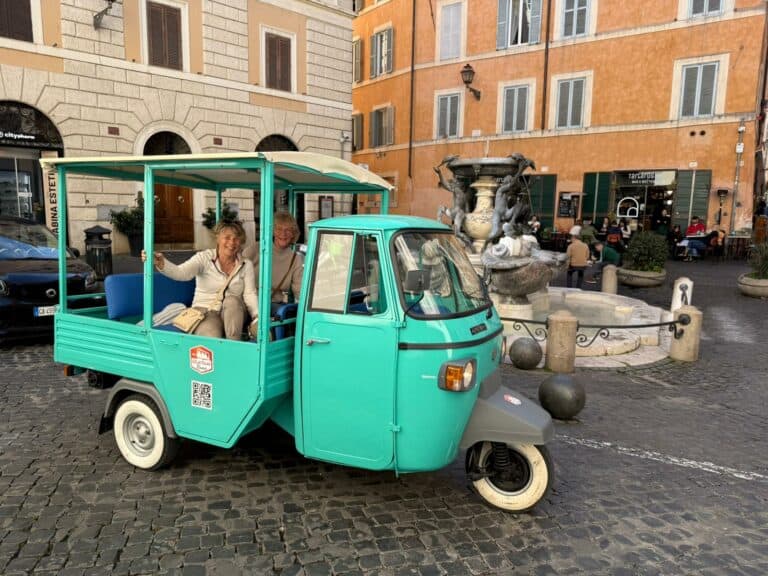
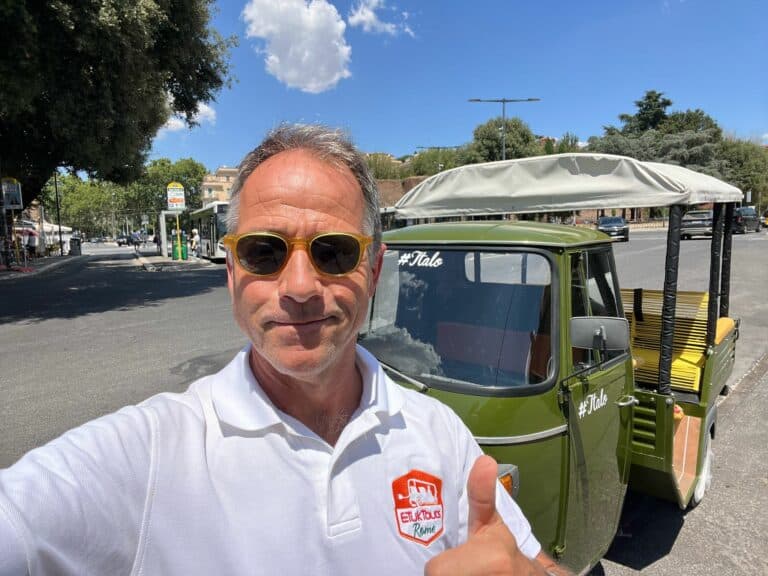
That is why I love electric tuk-tuk and golf cart tours. With ETuk Tours Rome, one of the first dedicated electric tuk-tuk operators in the city, I can roll through tiny medieval lanes, glide up to piazzas that big coaches cannot enter, and do it all in a quiet, clean, open-air vehicle. For cruise ship passengers from Civitavecchia, families with kids, couples, and anyone trying to see Rome in 24 hours, this can turn a stressful checklist into a relaxed, rich experience.
In this guide, I will walk through a smart Rome itinerary for one day. I will share timing tricks, must-see attractions, eco friendly Rome tours, and food stops that matter. By the end, you will see how a sustainable approach is not only better for Rome, it is also the most comfortable and efficient way to enjoy your one single day.
“I found Rome a city of bricks and left it a city of marble.” — Emperor Augustus
Key Takeaways
- Pre-book key tickets. When I arrange timed entry for the Colosseum, the Vatican Museums, and the Pantheon, I skip lines that can swallow two or three hours. That extra time turns into relaxed photo stops instead of standing on hot pavement. I always treat advance booking as part of the experience, not as an add-on.
- Use electric tuk-tuk tours for distance and comfort. Electric tuk-tuk tours cover several times more distance than a one day in Rome walking route. In the same number of hours, I can see more neighborhoods, viewpoints, and hidden corners without arriving exhausted. At the same time, I ride in a zero-emission, low-noise vehicle that fits the idea of sustainable sightseeing in Rome.
- Plan smart timing, not just smart routing. I like to start near eight in the morning at the Colosseum and end around seven in the evening with aperitivo. This pattern avoids the worst crowds and the fiercest heat, especially in summer. It also leaves space in the middle of the day for a slow lunch instead of rushed snacks.
- Follow Rome’s natural east–west line. Ancient sites sit at one end, Baroque piazzas in the middle, and the Vatican across the river. When I connect these areas with an electric tuk-tuk rather than taxis or metro, the day feels smooth instead of chopped into pieces. The right transportation choice can easily double what I comfortably see.
Why Rome Deserves A Sustainable Approach To One-Day Tourism
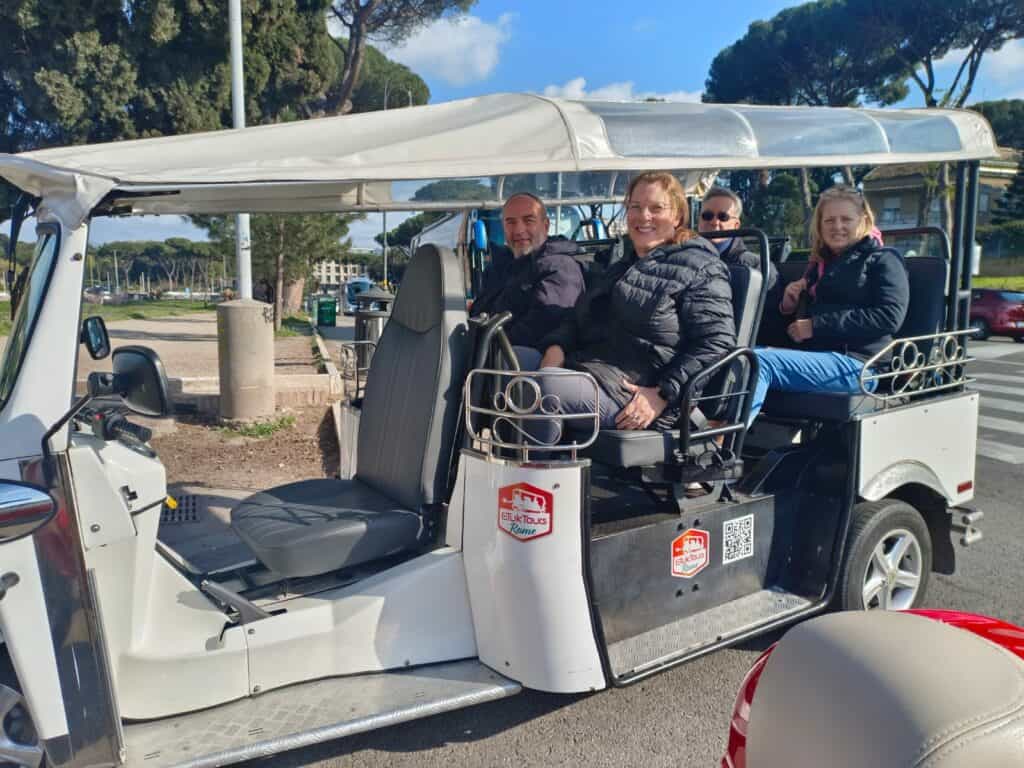
Rome is not just a big city with monuments. It is an open-air museum where people still live and work. Every large tour bus that squeezes past the Colosseum adds vibration and fumes to stones that are already cracking. When thousands of feet march over the same cobblestones in the same hour, even the pavement wears faster than it should.
I see the effects of overtourism most clearly in the small streets. Residents weave around tight groups following flags and megaphones. Cafes near major Rome tourist attractions lean toward quick turnover instead of warm conversation. Noise rises, trash cans overflow, and the rhythm of neighborhood life gets pushed aside, especially in peak season.
Sustainable tourism in Rome tries to bend that curve in a better direction. Electric vehicles cut carbon emissions and remove engine noise from historic lanes. Small groups in quiet e-tuk-tuks or golf carts create far less pressure than huge buses. When I choose green travel in Rome, I also tend to support local guides, family restaurants, and artisans rather than chains.
ETuk Tours Rome is part of that shift. The fleet runs on electricity, not diesel, and the vehicles are light enough to move gently through narrow alleys that buses must avoid. With small groups and multilingual local guides, the tours feel more like a conversation than a parade. For me, that is the kind of sustainable travel in Rome that respects both the city and the people who live here.
“Take only memories, leave only footprints.” — often attributed to Chief Seattle
In Rome, I try to update that idea: take memories, leave fewer fumes and less noise.
Planning Your Perfect Rome Itinerary: Strategic Timing And Route Optimization
A smart Rome travel guide for one day starts with the calendar. I always suggest best time to visit. The air feels mild, evenings are pleasant, and crowds, while still busy, are easier to handle. In July and August, what to pack are vital because the stones radiate heat. Winter in Rome can be peaceful, but shorter daylight means a tighter schedule.
Once the season is clear, I think in terms of a line across the map:
- Ancient Rome sits around the Colosseum and the Forum.
- The Renaissance and Baroque center stretches between the Pantheon, Trevi Fountain, and Piazza Navona.
- Vatican City and Castel Sant’Angelo lie across the Tiber.
For a Rome itinerary in one day, I move in that order instead of zigzagging back and forth.
Advance booking shapes the day. Timed tickets for the Colosseum complex, the Pantheon, and the Vatican Museums remove the longest waits. What could be two or three hours in a line turns into a ten-minute security check. That saved time is worth even more when I remember that I only have Rome in 24 hours.
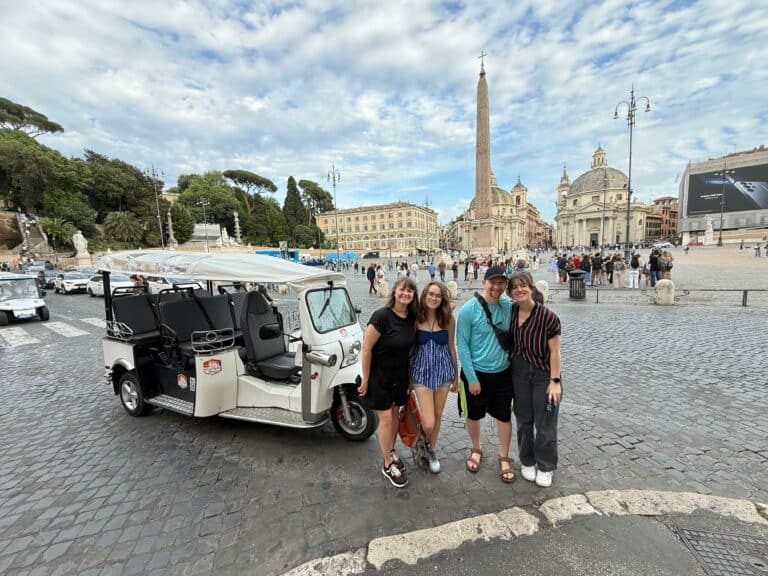
Cruise passengers from Civitavecchia feel the clock even more. Trains, metro maps, and long walks can eat half the shore day before the first selfie. This is where I find electric tuk-tuk and golf cart tours shine. A Rome day trip itinerary with ETuk Tours Rome can cover fifteen or even twenty kilometers in comfort, while a classic Rome day tour walking route might manage five to seven. The math is simple, and it favors wheels that are small, quiet, and smart.
Morning In Ancient Rome: The Colosseum, Roman Forum, And Palatine Hill
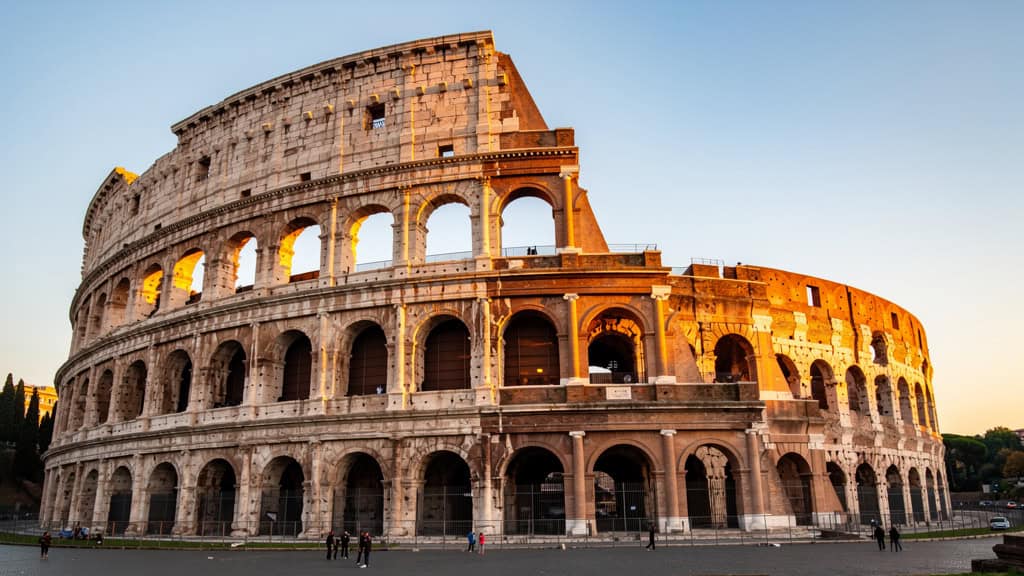
I like to start the day with Rome’s most famous icon. Reaching the Colosseum by about eight in the morning means softer light, cooler air, and fewer crowds in the photos. With a pre-booked ticket and set entry time, I pass through security and step into an arena that once held around fifty thousand people. The scale still takes my breath away every time.
Inside, I imagine the underground maze that once sat below the floor. Trap doors, lifts, and pulleys sent wild animals and gladiators up into the sand, creating the ancient version of special effects. If my timing and budget allow, I choose an Arena Floor access ticket so I can stand where the fighters once stood. It adds just a bit more flavor to this part of the day.
The same ticket usually covers the Roman Forum, the heart of ancient public life. I walk along the Via Sacra past the Temple of Saturn and the spot where Julius Caesar was cremated. Broken columns outline old temples and government halls, and I picture markets, trials, and speeches echoing off the stones. This cluster alone sits among the top Rome must see attractions.
Next comes Palatine Hill, a short climb that rewards me with sweeping views in every direction. On one side I see the Forum spread out like a model; on the other, the grassy curve of Circus Maximus. Ruins of imperial palaces lie among pines and gardens. In this area, an electric tuk-tuk from ETuk Tours Rome can drop me close to the best viewpoints and easier paths, something a large bus simply cannot do. I usually plan ninety minutes to two hours for this ancient Rome cluster.
Renaissance And Baroque Treasures: Pantheon, Piazzas, And Fountains
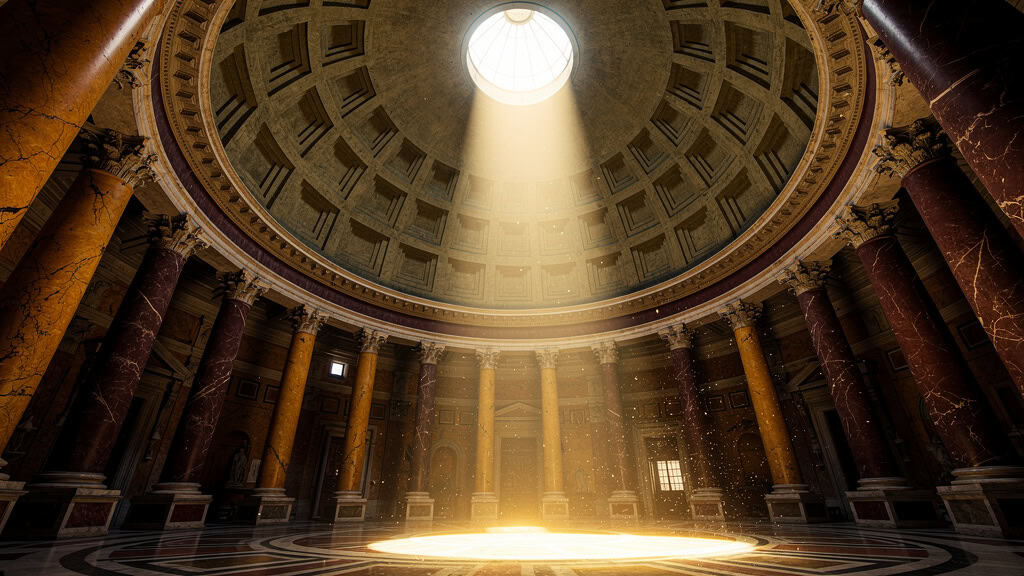
After the ancient morning, I drift forward in time toward the historic center. The Pantheon is my anchor point here. Nearly two thousand years old, it holds the world’s largest unreinforced concrete dome. When I step inside and look up at the perfect circle of the oculus, daylight pours in and makes the marble floor glow. It still feels mysterious that such a roof stays up at all. I also like to pause at Raphael’s tomb and remember that artists, not only emperors, rest here.
Just behind the Pantheon, the church of Santa Maria Sopra Minerva waits as a cool surprise. It is Rome’s only Gothic church, with a deep blue ceiling painted with stars. Inside, I can find a powerful statue by Michelangelo. Outside, a small elephant carries an obelisk on its back in a whimsical sculpture that always makes me smile.
From there, I weave toward the Trevi Fountain. No photo prepares anyone for the drama of the real thing. Water crashes over rocks as Oceanus rides a shell-shaped chariot, and statues lean out from the palace wall. I turn my back to the water, toss a coin over my left shoulder, and trust the old promise that I will return. A Rome day tour walking route often calls this the highlight, and I can see why.
Piazza Navona makes a graceful next stop, with its long oval shape built over an ancient stadium. I grab a gelato, watch Bernini’s Fountain of the Four Rivers, and notice how the figures twist and lean as if they might step out of the stone. His rival Borromini left his mark on the church that faces the fountain, so even the skyline here holds stories of artistic tension. All of these sites lie within a couple of kilometers, but the lanes between them twist and climb. For some visitors, that distance fits a walking tour in Rome for one day. For others, an electric tuk-tuk from ETuk Tours Rome saves knees and energy while still keeping the open-air feel.
Crossing The Tiber: Vatican City And St. Peter’s Basilica
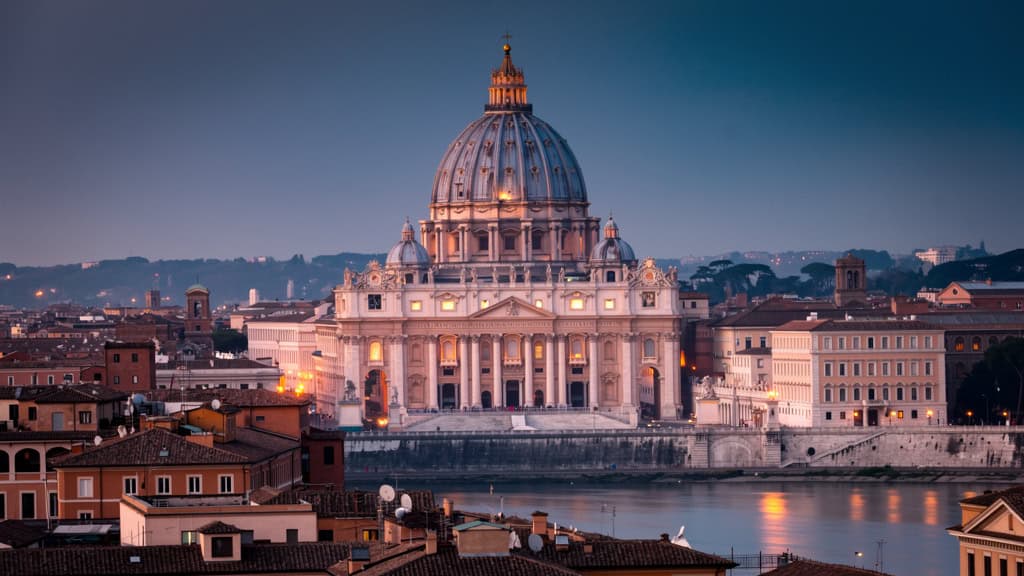
In the later afternoon, I like to aim my route toward the river. Crossing Ponte Sant’Angelo, I walk between angel statues that seem to guide the way. At the far end rises Castel Sant’Angelo, first built as Emperor Hadrian’s tomb. Over the centuries it turned into a fortress, a papal hideout, and now a museum. From the terrace at the top, the view sweeps across the city, with the dome of St. Peter’s rising above everything.
From there it is a short ride or walk to St. Peter’s Square. The wide space, shaped by Bernini, feels like open arms. Inside St. Peter’s Basilica, the details pull me in close. Michelangelo’s Pietà captures the quiet weight of grief in one block of marble. Bernini’s bronze baldachin curls and rises over the main altar. Dress rules matter here, so I always remind visitors to cover shoulders and knees or bring a light scarf.
The Vatican Museums hold more art than any single day can cover, which is why a plan matters. Late afternoon or special after-hours entries are my favorite times because the biggest tour groups have already left. I focus on the Gallery of Maps, where huge painted maps line the walls, the Raphael Rooms with their rich frescoes, and the dark, silent power of the Sistine Chapel. Standing there with fewer people, looking up at Michelangelo’s ceiling and the Last Judgment, I forget the noise of the rest of the city.
The stretch from Trevi Fountain to the Vatican is about two and a half kilometers and includes busy streets and a bridge. At the end of a long day, that walk can feel double the distance. This is where a private electric vehicle tour changes the mood. Instead of slogging along, I sit back as the driver from ETuk Tours Rome navigates, keeps track of time, and drops me as close as possible to each entrance.
Sustainable Sightseeing: The Electric Tuk-Tuk Advantage
When I compare ways to see Rome in one day, I think first about impact. A diesel coach moves many people at once, but it pumps exhaust into narrow streets and cannot enter much of the historic center. A full day on foot seems green but often leads to last-minute taxi rides when legs and patience give out. Electric tuk-tuks offer a middle path that feels kinder to both Rome and the people visiting it.
In a small electric vehicle, there is no tailpipe, no rumbling engine, and far less wear on fragile squares. ETuk Tours Rome uses this kind of fleet for its tuk-tuk experiences, golf cart rides, and Ape Calessino tours. In the same span of hours as a typical walking group, I can cover fifteen to twenty kilometers instead of five or seven. That means more sights per unit of effort and a smoother Rome travel guide for one day experience.
Accessibility is another quiet but powerful benefit. Families with children, grandparents, and travelers who struggle with long walks all stay part of the group in an electric cart. Shade roofs and clear side panels protect from summer sun or sudden rain, while the open-air design still lets the breeze and city sounds in. I can step out right at a viewpoint, take photos, and sit back down without long slogs in between.
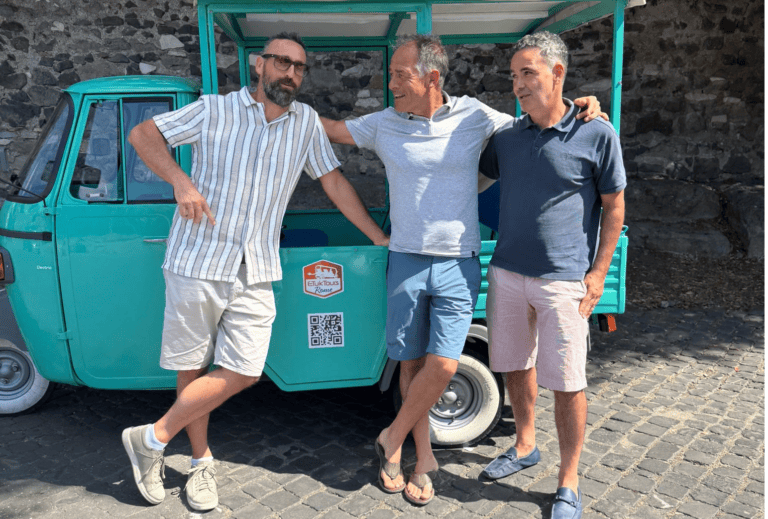
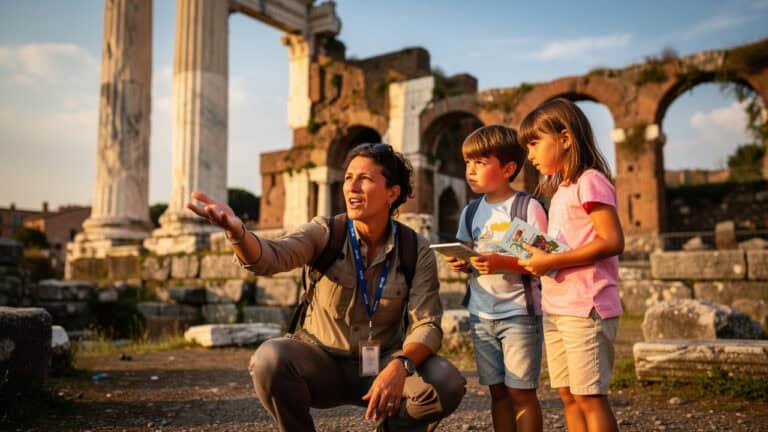
The guides are the heart of it. ETuk Tours Rome works with local guides who speak several languages, know side streets by instinct, and share stories that do not appear in basic guidebooks. Private and small-group routes stay flexible, so if I fall in love with a piazza or want an extra gelato stop, the day can adjust. For cruise passengers from Civitavecchia, the company even offers full Rome day tours by golf cart with pickup and a guaranteed return time, which removes almost all stress from the schedule.
Authentic Roman Experiences: Food, Culture, And Local Insights

A perfect one day in Rome is not built only on monuments. It starts with breakfast at the bar. I stand at the counter, sip an espresso or cappuccino, and eat a cornetto filled with cream or jam. Locals rarely drink cappuccino after late morning, so I follow that custom when I can. This small ritual already makes me feel part of the daily rhythm.
By midday, the Monti neighborhood becomes my favorite place to pause. Tucked just behind the Forum, it offers both traditional trattorias and easy pizza al taglio for quick bites. When I sit down, I often choose one of the four classic Roman pasta dishes:
- Carbonara – egg, pecorino cheese, and crispy guanciale
- Amatriciana – tomato, pecorino, and guanciale
- Cacio e Pepe – pecorino and black pepper
- Gricia – pecorino and guanciale, without tomato
Evening brings culture to the glass. Aperitivo is the time between about seven and nine when friends meet for a drink and small plates before dinner. I might sit in Trastevere, with its ivy-covered walls and lively squares, or in Monti with its slightly quieter, bohemian feel. ETuk Tours Rome even offers Food Tours that weave together tasting stops, small wine bars, and scenic rides past lit-up monuments. I find that a good local guide steers me away from tourist traps and into places where Romans actually eat, which is one of the best rewards of any day here.
Evening Magic: Sunset Views And After-Dark Rome
As the sun dips, Rome softens into gold. The Colosseum glows against the darkening sky, its arches lit from within. Fountains like Trevi sparkle under spotlights, and the noise of daytime traffic begins to fade. This is when I really feel the romance of the city.
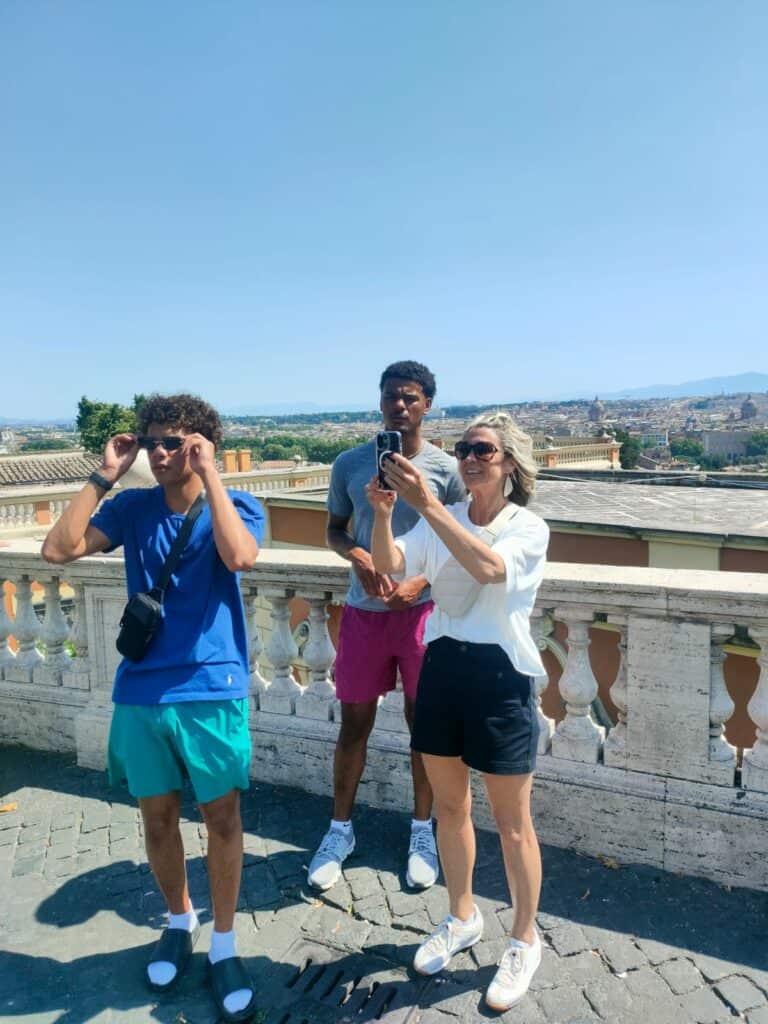
For sunset, I love views from Palatine Hill, the terrace of Castel Sant’Angelo, or the Pincian Hill above Piazza del Popolo. Each one offers a different angle on domes and rooftops. An evening tour by golf cart or electric tuk-tuk means I drift from one viewpoint to the next without hunting for buses or worrying about walking back through unfamiliar streets. The guide handles directions while I simply watch the colors change.
Aperitivo acts as the bridge between sightseeing and dinner, so an evening tour often includes a relaxed stop for a spritz or a glass of wine. Couples, in particular, tend to fall for night rides with ETuk Tours Rome because the quiet streets, warm air, and illuminated monuments set a gentle tone. It feels safe, comfortable, and just a little bit cinematic.
Conclusion
Seeing ancient ruins, Baroque fountains, and Vatican treasures in one sweep might sound impossible, but with the right plan it becomes a very full, very beautiful day. The best way to see Rome in one day is not to rush on foot until every step hurts or to sit behind dark glass on a giant bus. It is to move smoothly from the Colosseum to the Pantheon, across the river to St. Peter’s, with time to breathe, taste, and look around.
Sustainable options like electric tuk-tuks and golf carts change the shape of a Rome day trip itinerary. They cut noise and fumes, reach narrow streets, and let small groups stay together without strain. When I choose ETuk Tours Rome, I feel that I am treating both myself and the city with care. If a one day visit is on the horizon, this is the moment to plan ahead, pre-book key tickets, and reserve a green, guided ride. Rome has given so much to the world; traveling thoughtfully is one of the best ways to give something back.
FAQs
What Is The Best Time Of Year To Visit Rome For A One-Day Tour?
For a one day tour, I like spring from April through June and fall from September through October. The weather is mild, and crowds, while still busy, feel more manageable. Summer offers long daylight hours but brings strong heat, so early starts and shady transport matter a lot. Winter has fewer tourists, and an electric tuk-tuk keeps you more comfortable on cool or rainy days.
How Much Does It Cost To See Rome In One Day?
Costs vary with style and choices. A budget of around €50–€70 can work for a self-guided day with street food and limited entry fees. A mid-range day between about €120 and €180 might include group tours, a sit-down lunch, and gelato stops. Private guides, fine dining, and premium electric tuk-tuk tours can bring the total to €250 or more, though they often bundle transport and skip-the-line access.
Do I Need To Book Tickets In Advance For Rome’s Major Attractions?
For a tight schedule, advance tickets are almost non-negotiable. The Colosseum with the Forum, the Vatican Museums, and now the Pantheon all sell timed entries that keep you out of the longest lines. I aim to book at least two to four weeks ahead, and even earlier for peak summer. Companies such as ETuk Tours Rome can arrange these details inside a tour, which removes guesswork and wasted time.
Is It Really Possible To See Both Ancient Rome And The Vatican In One Day?
Yes, it is possible, as long as the day is planned with care. The areas between the Colosseum and the Vatican span roughly four to five kilometers, which is a lot to cover if every step is on foot. Starting around eight in the morning, holding timed tickets, and using an efficient route make a big difference. Electric vehicle tours keep the pace comfortable while still letting you enjoy both ancient Rome and Vatican highlights.
Are Electric Tuk-Tuk Tours Really More Sustainable Than Walking?
At first glance, walking seems like the greenest choice, and for short distances it often is. Over a full Rome in 24 hours plan, long walks usually turn into last-minute taxi rides that add extra fuel use and stress. Electric tuk-tuk tours from ETuk Tours Rome produce zero local emissions and very low noise while covering far more ground. By seeing more with less wasted energy and fewer random rides, you support a model of sustainable travel that helps the city as a whole.