
Picture this. A narrow Roman street lined with orange buildings, a tiny café on the corner, a local hanging laundry from a balcony. Then a diesel tour bus squeezes through, filling the air with fumes and noise. This is where the question what is sustainable tourism stops being abstract and starts to feel very real.
More and more travelers notice how their vacations affect the places they visit, recognizing the sustainable tourism, progress, challenges that the industry faces in balancing economic benefits with environmental protection. People care about clean air, safe historic sites, and locals who still feel at home in their own city. At the same time, travel brings jobs, pride, and new friendships. The tension between those two sides can feel confusing, yet it also opens the door to better choices.
In this guide, we walk through what sustainable tourism really means in simple terms. We share how travel can harm or help, and how small decisions add up. As ETuk Tours Rome, we also show how our electric tuk-tuk experiences fit this picture, giving a practical answer for anyone who wants to explore Rome in a more eco-friendly way.
“Travel works best when the people who live in a place are as glad to see visitors as visitors are to be there.”
Key Takeaways
- Sustainable tourism balances nature, culture, and local income. It helps protect the environment, respects people, and keeps money in the community.
- Every traveler has real influence through daily choices. Simple actions during one trip can reduce harm. Over time, those actions push the whole industry toward better habits.
- Global standards help separate real efforts from marketing talk. Programs linked with GSTC use clear rules. They guide both travel companies and travelers who want to support serious green efforts.
- How we move around a city matters a lot. Choosing electric vehicles, walking, or cycling cuts emissions. These choices also reduce noise and stress in crowded historic areas.
- Spending money with local businesses keeps travel fair. It supports families, small shops, and local guides. That way tourism helps the people who live in the place being visited.
What Is Sustainable Tourism?
When people ask what is sustainable tourism, they often expect a short slogan. In reality, it is a full way of thinking about travel. The idea comes from groups such as the UN World Tourism Organization (UNWTO) and the UN Environment Program. In simple words, sustainable tourism means travel that cares about its impact on nature, local people, and the economy, both now and in the future.
It is not a special type of trip like a safari or a beach holiday. Instead, it is an approach that can guide any kind of travel. A day tour in Rome, a cruise stop from Civitavecchia, a family vacation, or a romantic weekend can all follow the same principles. The focus is on how tourism affects places, not on the label on the brochure. When we ask what is sustainable tourism, we are really asking how travel can continue without wearing places out.
This approach looks at everyone involved at the same time. It considers visitors who want a great experience, the tourism industry that serves them, the environment that supports life, and the communities that call the destination home. It also looks ahead, asking whether children growing up in that place will still enjoy clean air, real local culture, and fair chances for work in ten, twenty, or fifty years.
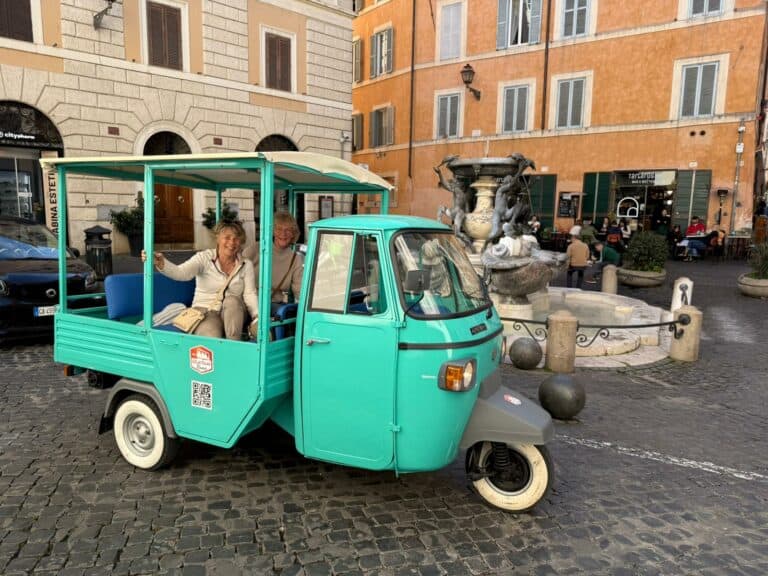
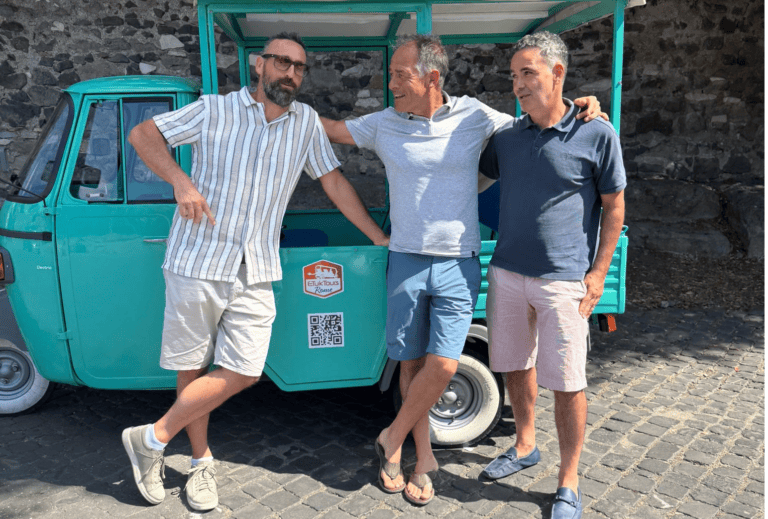
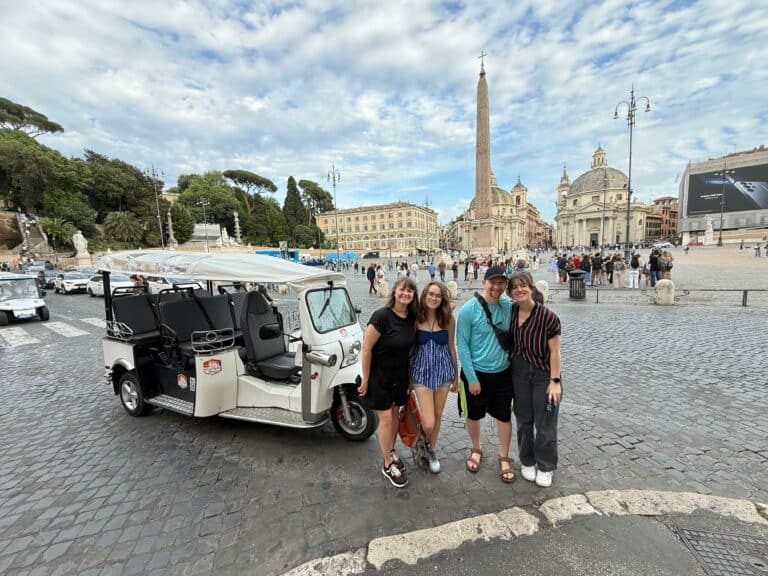
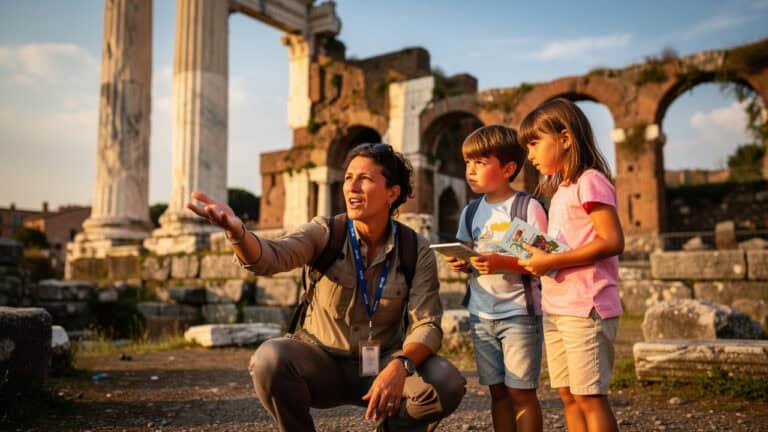
As ETuk Tours Rome, we build our tours around this idea. Our electric tuk-tuks and golf carts cut emissions compared with diesel buses and vans. Small groups keep noise lower and streets calmer. Local, multilingual guides share real stories instead of rushed scripts. In our view, that is what sustainable tourism looks like when it rolls quietly through Rome’s historic center.
“Sustainable tourism is about meeting the needs of visitors and residents while protecting the places we all care about.”
The Three Pillars Of Sustainable Tourism

When we break down what is sustainable tourism in practice, three main pillars appear. Many people compare them to the three legs of a stool. If one leg is weak, the stool wobbles. The same is true for sustainable tourism. Environmental care, social and cultural respect, and economic strength all need to stay in balance.
Environmental Protection
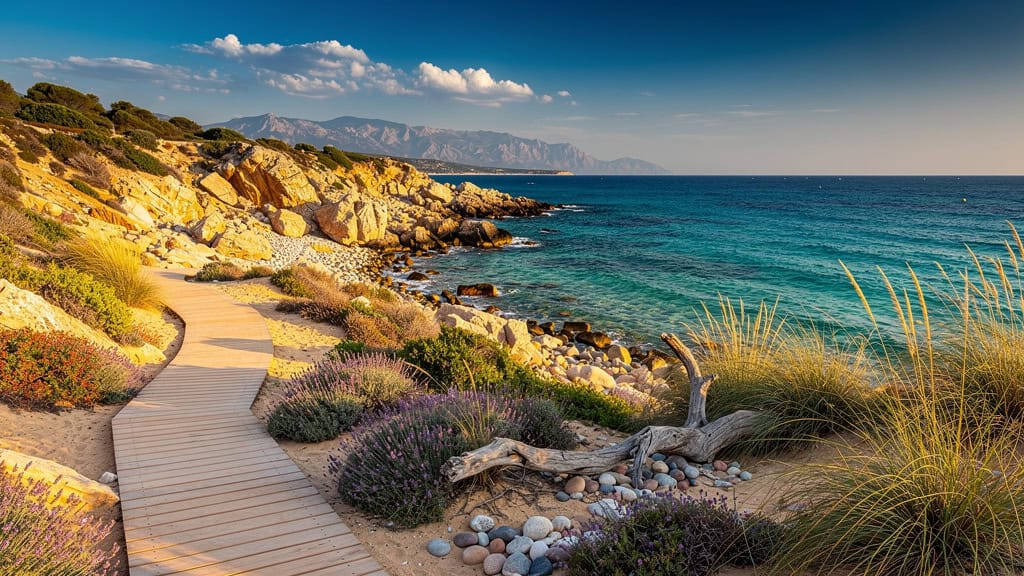
Environmental protection asks tourism to care for the natural world instead of draining it. This means protecting green areas, clean air, and water, as well as plants and animals that live there. It also means cutting waste, lowering carbon emissions, and using water and energy wisely so that local supplies do not run dry or dirty.
Visitors and tour operators can support this pillar through daily habits, for example:
- Reducing plastic waste by carrying reusable bottles and bags
- Choosing low-emission or electric transport instead of diesel vehicles
- Staying on marked paths to avoid damaging plants and soil
- Avoiding activities that disturb wildlife or fragile areas
- Saying no to experiences that involve feeding or handling wild animals
When many travelers act this way, the pressure on nature becomes lighter.
In Rome, this idea is very concrete. Large diesel buses running through old streets add fumes and noise. Our electric tuk-tuks, on the other hand, glide quietly with zero tailpipe emissions. By choosing small electric vehicles, we help keep the air cleaner around monuments, and we reduce the noise that can disturb both locals and other visitors.
Socio-Cultural Integrity
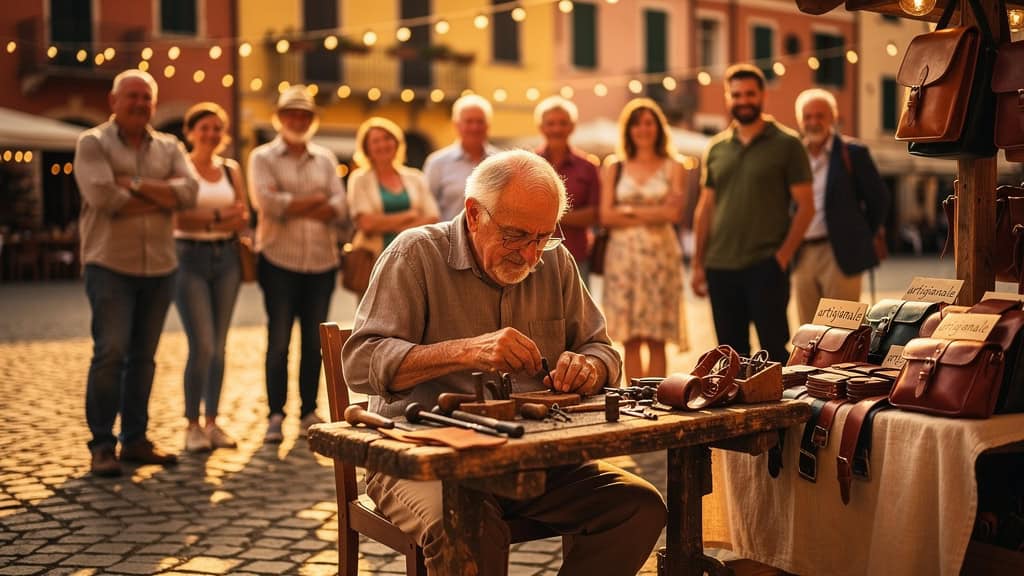
Socio-cultural integrity focuses on the people who live in the destination and on their traditions. Sustainable tourism asks visitors to respect local customs, language, food, art, and daily life. It also asks the tourism industry to avoid turning culture into a shallow show that feels fake or offensive to residents.
A key part of this pillar is giving local communities a real voice in how tourism grows. When residents are part of decisions, tourism can support things they care about, such as historic buildings, public spaces, and living traditions. Travel then becomes a chance for honest exchange between hosts and guests, not a one-way show.
In our tours, we highlight real Roman life as much as famous sights. Our guides share local stories, recommend family-run restaurants, and model respectful behavior at churches and archaeological sites. We believe this is how what is sustainable tourism stays grounded in human connection, not just numbers.
Economic Viability
The economic pillar asks a simple question. Does tourism give steady, fair income to the people who live here, or does most of the money leak away to far-off companies? Sustainable tourism should create stable jobs with fair pay, help local businesses grow, and spread benefits across the community.
One problem in many places is that hotels, buses, and big attractions belong to foreign owners. Money from visitors leaves the city almost as fast as it arrives. Local people may see more crowds and higher prices but not much extra money in their pockets. This unfair pattern creates anger and stress.
Sustainable tourism tries to reduce this leakage by supporting local suppliers, guides, drivers, and small companies. When travelers choose ETuk Tours Rome instead of a large international bus operator, they support a local business. We hire local drivers and guides, work with nearby partners, and spend our income in Rome. That way, more of each ticket stays in the city, supporting the people who keep Rome alive day and night.
Why Sustainable Tourism Matters And The Dual Impact Of Travel
Tourism acts like a strong tide. It can lift a place up or wear it down. To answer what is sustainable tourism in a serious way, we need to face both sides. Travel can bring heavy pressure on streets, nature, and local life. It can also bring money, care, and pride that help a place flourish.
The Hidden Costs Tourism’s Negative Impacts
When tourism grows without careful planning, the hidden costs can be high:
- Environmental stress: Natural areas can suffer from litter, noise, and the building of roads and hotels in places that used to be green and quiet. Water and energy use can spike, putting stress on local supplies, especially in hot or dry regions.
- Economic leakage: If big foreign companies own most hotels, buses, and attractions, much of the income leaves the city. Local people may see more crowds and higher prices but not much extra money in their pockets.
- Social pressure: Historic streets can become overcrowded, rent can rise, and locals may feel pushed out by short-term rentals. Important sites can wear down under endless foot traffic.
- Climate impact: Long trips by plane and bus add to global carbon emissions, which affect every country, including those that did almost nothing to cause the problem.
These impacts do not appear in glossy travel photos, but residents feel them every day.
The Positive Power Of Tourism’s Good Impacts
When guided by the ideas behind what is sustainable tourism, the same industry can do a lot of good. Travel brings jobs in guiding, driving, food, crafts, and many other areas. For many families, tourism income pays for school, housing, and health care. In this way, visitors help improve daily life without sending money far away.
Tourism can also fund the repair and care of historic sites, public squares, and art. When visitors pay entrance fees and tour prices, part of that money can go to restoration teams, guards, and cleaning crews. A well managed flow of visitors can give local leaders a reason to protect old buildings instead of tearing them down.
Healthy tourism supports nature too. When a natural area brings steady income through visits, there is a clear reason to keep it clean and safe instead of cutting it down. At ETuk Tours Rome, we see this same pattern at work in the city. By running quiet, small, electric vehicles and hiring local guides who love Rome, we help protect narrow streets and famous spots. At the same time, we provide good jobs and meaningful experiences for guests from cruise ships, families, and couples.
“Tourism is not automatically good or bad. It depends on choices — how we plan, how we move, and who benefits from each visit.”
Understanding The Sustainability Spectrum Key Terms Explained
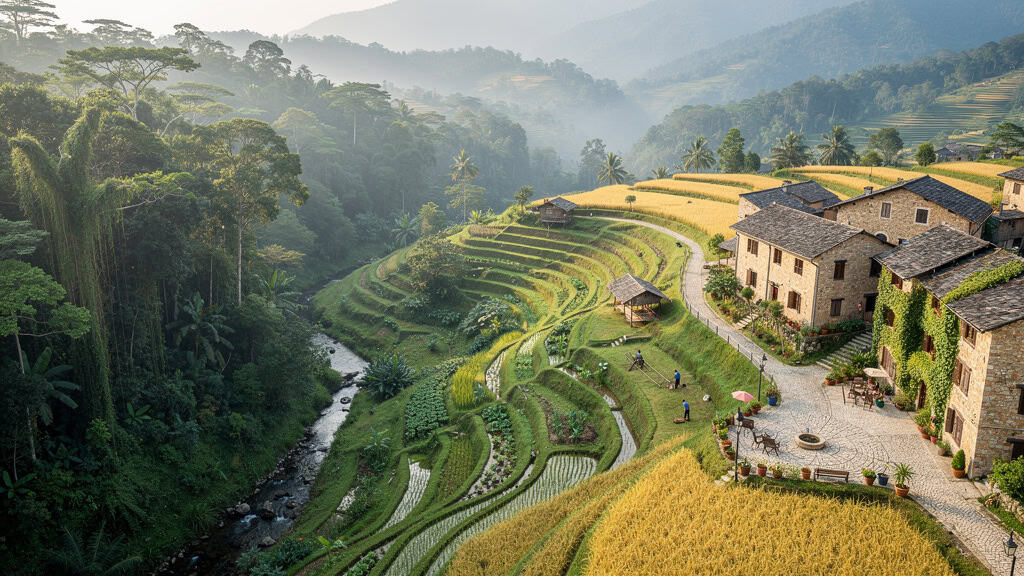
People often hear many phrases around what is sustainable tourism and wonder how they differ. Ecotourism, responsible travel, and regenerative tourism sound similar, yet each points to a slightly different focus. Knowing these terms helps travelers understand what kind of experience they are choosing and what impact their trip may have.
Ecotourism
Ecotourism centers on travel in natural areas with a clear focus on conservation and learning. Travelers go to forests, mountains, coastlines, or wildlife areas to observe and understand nature, not to change it or take from it. Good ecotourism keeps group sizes small and activities gentle, so that nature can stay healthy.
Education is a core part of ecotourism. Guides explain local plants, animals, geology, and culture so visitors leave with deeper respect. Money from these trips often supports park staff, local communities, and conservation projects. In short, ecotourism is one specific branch under the wide idea of sustainable tourism, focused mainly on nature.
Responsible Travel
Responsible travel describes what each person does on their own trip. It is the personal side of what is sustainable tourism. A responsible traveler thinks about their choices and asks how to reduce harm and increase benefits wherever they go.
This can mean:
- Staying in locally owned guesthouses or small hotels
- Eating at family-run restaurants instead of large chains
- Hiring local guides for tours and activities
- Saving water and energy in accommodation
- Avoiding single-use plastic whenever possible
- Dressing and behaving respectfully at religious or cultural sites
When many people travel this way, their quiet choices can push the whole industry toward better behavior.
Regenerative Tourism
Regenerative tourism goes a step further than standard ideas of sustainability. Instead of just limiting harm, it aims to leave places better than before. The goal is not only to keep the current state, but to help nature and communities heal and grow stronger over time.
In practice, this might mean tours that fund tree planting, support the repair of historic areas, or back projects that revive traditional crafts. Visitors might help restore footpaths, support local food systems, or join cultural events that keep old traditions alive. When we think about what is sustainable tourism in the long run, regenerative ideas offer an inspiring path.
At ETuk Tours Rome, we draw from this way of thinking. By choosing electric vehicles and small groups, we lower pressure on old streets and squares. By sending travelers to local cafés, gelato shops, and family restaurants, we help keep everyday Roman life thriving around the monuments everyone comes to see.
Global Frameworks Guiding Sustainable Tourism
Sustainable tourism is not just a trend on social media. It is part of official global plans and standards that guide governments and travel companies. When we talk about what is sustainable tourism, we are also talking about these shared rules and goals that give structure to the idea.
The UN Sustainable Development Goals
The United Nations created seventeen Sustainable Development Goals (SDGs) as a shared plan for a better future by 2030. Tourism appears clearly in several of these goals. One target encourages countries to support forms of tourism that create jobs and highlight local culture and products. Another target focuses on tools to measure the real impact of tourism.
There is also a goal linked to the ocean that mentions tourism tied to marine resources. Past meetings and special years, such as the International Year of Sustainable Tourism for Development in 2017, have underlined tourism’s power to support social, economic, and environmental aims. This global backing shows that what is sustainable tourism is not a side topic but a central part of how the world hopes to move forward.
GSTC Standards The Global Baseline
Along with the UN, the Global Sustainable Tourism Council (GSTC) plays a big role in turning ideas into practice. GSTC created clear standards that describe what good performance looks like for tourism businesses and destinations. These standards cover four main areas, including how companies are managed, how they affect local communities, how they respect culture, and how they treat the environment.
Certification programs often use these GSTC standards when they check hotels, tour operators, and attractions. When a traveler sees a certificate linked with GSTC, it signals that someone has looked closely at real practices, not just marketing. For people who want their trip to match the ideas behind what is sustainable tourism, these labels can be very helpful when choosing where to stay and which tours to book.
“Look for action, not just green words. Certifications and clear policies speak louder than slogans.”
How To Be A Responsible Traveler Your Practical Guide
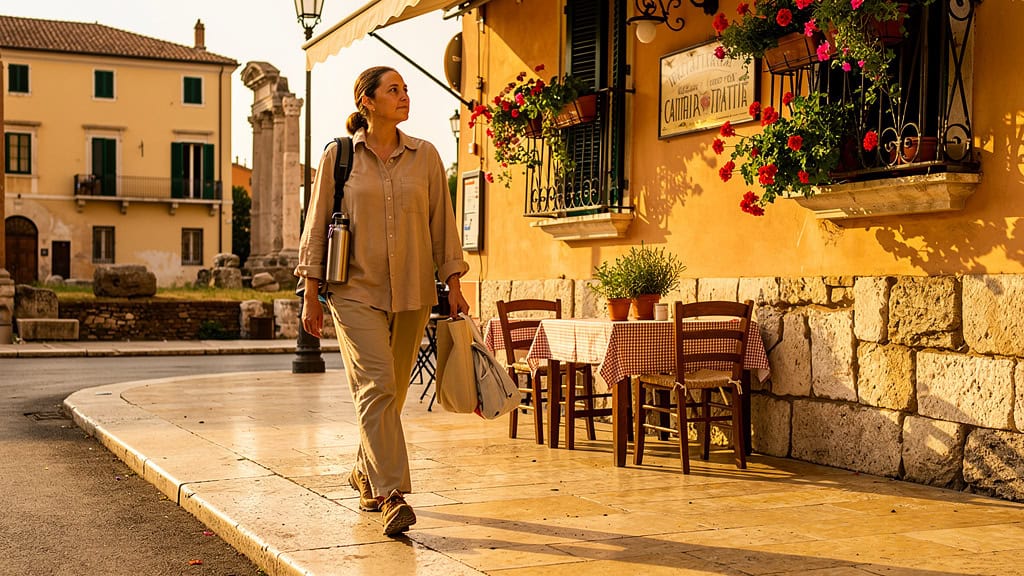
Sustainable tourism is not only about big policies. It lives in small, daily choices made by each traveler. When we ask what is sustainable tourism, part of the answer is simply how we act on our own vacation. The good news is that many helpful steps are easy and do not reduce comfort or fun.
“Every ticket you buy, every place you stay, and every meal you choose is a vote for the kind of tourism you want to support.”
Choose Certified Eco-Friendly Providers
One strong step is to choose companies that take real action for the planet and local people. Before booking, it helps to look for hotels or tours with certifications linked to GSTC or other trusted bodies. These signs show that independent experts have checked their work.
Helpful things to look for include:
- Clear information about energy use and renewable sources
- Policies on reducing and sorting waste
- Use of electric or low-emission vehicles
- Fair hiring practices and training for local staff
- Support for community projects or conservation work
Reading a company’s website can also reveal a lot. Firms that talk clearly about energy use, waste, and local hiring usually take these things seriously. For city tours in Rome, picking electric options such as ETuk Tours Rome instead of diesel buses is a simple way to cut emissions and support cleaner streets.
Support Local Economies
Money spent during a trip can either slip away or stay where it is most needed. When travelers eat in global fast food chains or stay only in large foreign owned hotels, less money reaches local families. Choosing local instead turns each meal, gift, and tour into direct support for the community.
This means seeking out:
- Neighborhood cafés and street markets
- Artisan shops with locally made crafts
- Family-run restaurants and bakeries
- Local guides for walking tours and experiences
On our tours, we love pointing guests toward small Roman bakeries, gelato spots, and trattorie. That way, what is sustainable tourism becomes something guests can taste as well as learn about.
Respect Cultural Heritage And Norms
Respect for local culture is just as important as care for nature. Before arriving in a new place, it helps to read a little about common customs, dress codes, and what counts as polite behavior. This small effort avoids hurt feelings and builds warm connections with locals.
In Rome, this can mean:
- Covering shoulders in churches and religious sites
- Speaking quietly in sacred places or residential courtyards
- Asking before taking photos of people
- Following signs and rules at archaeological sites
When guests behave this way, our guides find that residents stay more welcoming, and everyone’s experience feels richer and more relaxed.
Minimize Your Environmental Footprint
Lowering personal impact does not require huge sacrifice. In hotels and apartments, simple steps make a real difference:
- Turn off lights, heating, and air conditioning when leaving the room
- Reuse towels and linens instead of asking for fresh ones every day
- Carry a reusable bottle and refill where safe to do so
- Say no to plastic straws and extra packaging
Transport choices also matter. Walking, cycling, or using electric options reduces emissions and lets visitors see more details along the way. When flying is needed, picking direct routes where possible and packing light can cut fuel use. Joining an electric tuk-tuk tour in Rome adds another layer, since our vehicles run without exhaust fumes while still covering a lot of ground comfortably. All these actions together move us closer to the true spirit of what is sustainable tourism.
Conclusion
At its heart, what is sustainable tourism comes down to balance. Travel should protect the environment, respect cultures, and share economic benefits fairly with local communities. When these three pillars stand strong together, destinations can welcome guests year after year without losing the things that make them special.
Every traveler plays a part in this balance. Small choices about where to stay, what to eat, how to move around, and which tours to book all send signals. They guide the market away from mass, careless tourism and toward thoughtful, people-centered experiences. The old idea that success means only more visitors every year is slowly giving way to a focus on better visits instead.
For us at ETuk Tours Rome, this is more than theory. By running electric tuk-tuks and golf carts, keeping groups small, and working with local guides, we try to offer a real-life answer for anyone who cares about sustainable tourism. On a future visit to Rome, choosing eco-friendly options can make the difference between just passing through and truly supporting the city. Travel gives the most back to us when it also gives back to the places and people we come to see.
FAQs
What Is The Main Goal Of Sustainable Tourism?
The main goal of sustainable tourism is to balance three things at once. It seeks economic growth that helps local people, protection of the environment, and respect for culture and daily life. The idea is to reduce harm while increasing benefits. That way, destinations stay healthy and welcoming for future generations.
How Is Ecotourism Different From Sustainable Tourism?
Ecotourism is one branch within the wider idea of sustainable tourism. It focuses on nature based trips where people visit forests, mountains, coasts, or wildlife areas to learn and support conservation. Sustainable tourism, in contrast, can apply to any kind of trip, even in big cities. Both share goals of care for nature and communities.
How Can I Identify Truly Sustainable Tour Operators?
To find tour operators who follow the spirit of what is sustainable tourism, start by checking for certifications linked to GSTC or other trusted bodies. Read how they talk about their vehicles, waste management, and local hiring. Reviews that mention real green actions, not just slogans, are a good sign. You can also email or call and ask direct questions about their environmental and community policies.
Does Sustainable Tourism Cost More?
Sustainable tourism does not always mean higher prices. Walking tours, public transport, and local street food can cost less than expensive high impact options. Some eco certified hotels or tours may charge more because they invest in better practices. Many travelers feel that this extra cost is fair, since it helps protect the places they love to visit.
What Is The Most Impactful Sustainable Choice I Can Make As A Traveler?
One of the biggest choices is how and how often to move long distances, since transport creates a large share of emissions. Flying less often, staying longer, and picking lower impact options on the ground helps a lot. Supporting local businesses and choosing electric tours, such as ETuk Tours Rome, also sends a strong message. Taken together, these steps bring the idea of what is sustainable tourism into everyday travel.