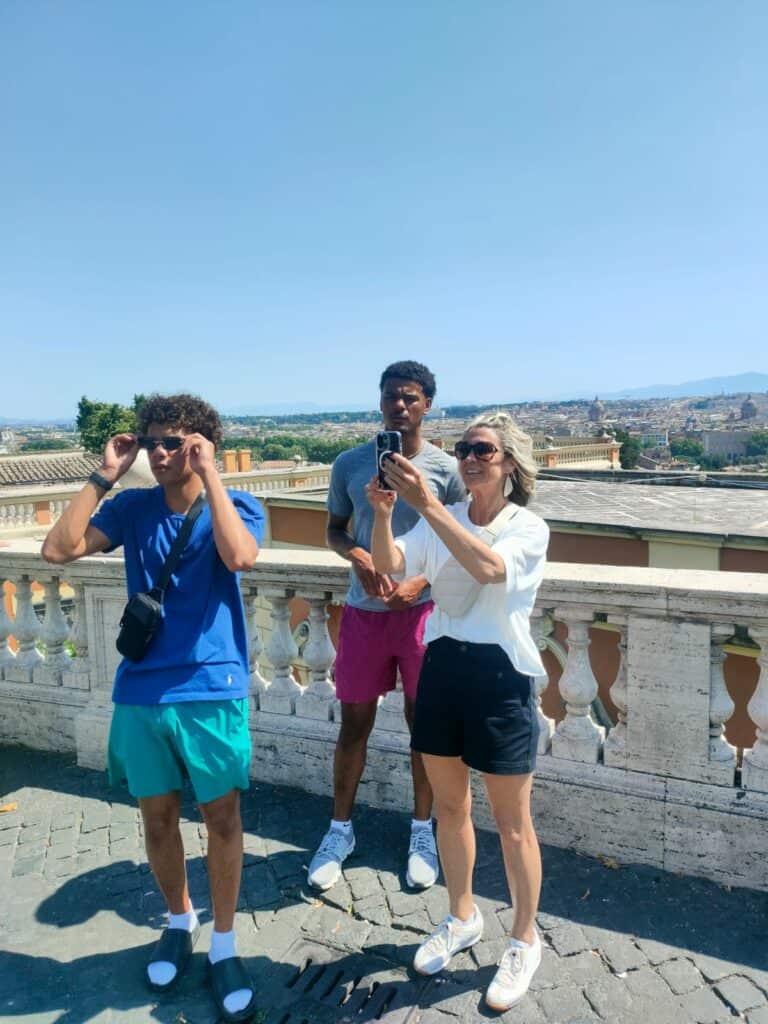

The first glimpse of St. Peter’s dome from a distance feels like a movie scene. Then the line moves forward, a Swiss Guard looks at someone’s shorts, shakes his head, and that person steps aside with a crushed face. This scene plays out many times a day, and it all comes down to one simple rule many people have never read about: the Vatican City dress code.
Vatican City is not just another stop on a Rome checklist. It is the heart of the Roman Catholic Church, and places like St. Peter’s Basilica, the Vatican Museums, and the Sistine Chapel are treated as living places of prayer. Because of that, modest clothing is not only polite, it is required. Guards at the entrances follow a clear rule and do not bend it, even if someone holds a ticket for a specific time.
The basic idea is very simple. Shoulders must be covered. Knees must be covered. This applies to men, women, and children, in every season, for every main site inside Vatican City. If an outfit fails that rule, guards can turn a person away on the spot with no refund.
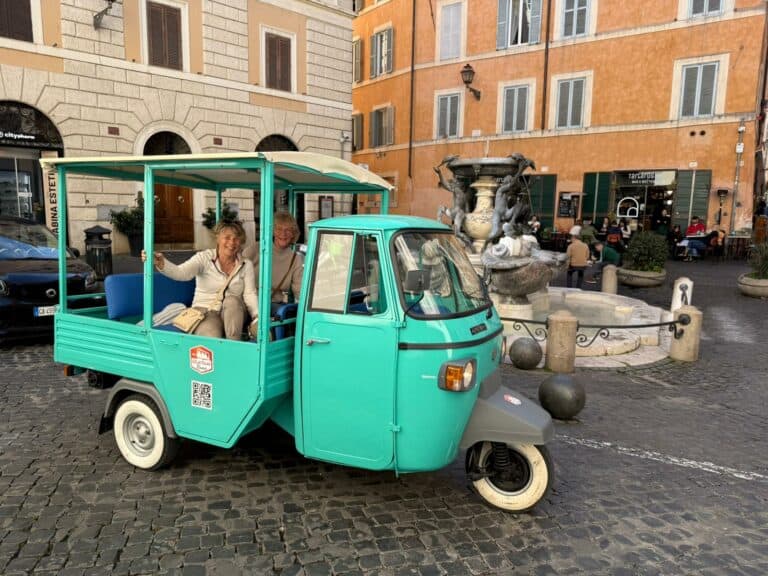
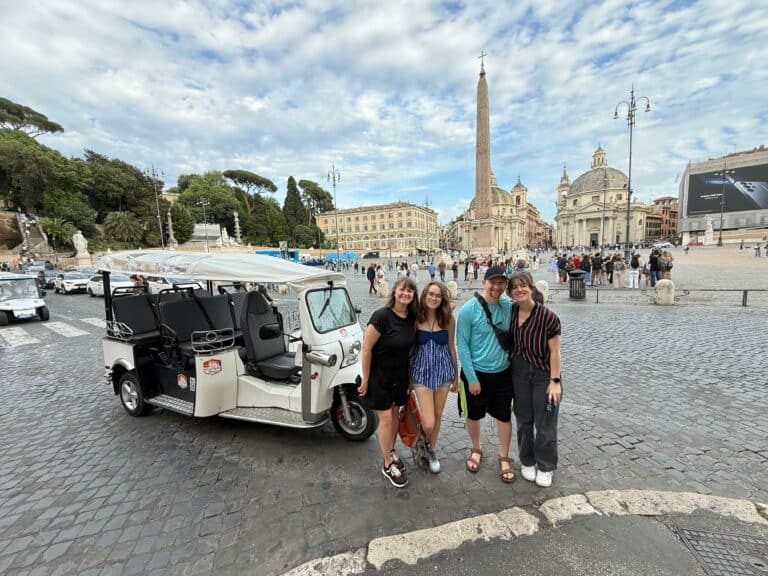
In this guide, we explain exactly what to wear for men and women, what is not allowed, how to dress in different seasons, and what to do if a last‑minute mistake happens. As ETuk Tours Rome, we also show how our private, eco‑friendly electric tuk‑tuks and golf carts help visitors, from cruise ship guests to families, reach the Vatican prepared and relaxed, without the stress of long walks or confusing transport.
Key Takeaways
Before going deep, it helps to have a short checklist of the most important points. These simple rules cover almost every Vatican dress code problem we see near the gates.
- The main rule is very clear: shoulders and knees must stay fully covered for men, women, and children. Long pants, knee‑length skirts or dresses, and shirts with sleeves are the safest choice.
- Clothes that show too much skin cause most problems at the entrance. Tank tops, sleeveless shirts, crop tops, shorts above the knee, miniskirts, see‑through fabric, and hats worn indoors can all lead to refusal. Guards enforce this standard firmly at every door.
- A light scarf, shawl, or cardigan in a day bag fixes many borderline outfits. Plan with the season in mind, and if time in Rome is short, a private tour with ETuk Tours Rome gives flexible timing to change, add layers, or stop at a shop before reaching the Vatican.
Why The Vatican Has A Strict Dress Code
Vatican City is an independent state and spiritual center for millions of Catholics. Inside its walls, the Pope lives and works, and ceremonies take place that matter deeply to people all over the world. For this reason, every church and chapel is treated as a holy space, not just as a museum or tourist stop.
In Catholic tradition, modest clothing in church is a basic sign of respect. Visitors do not need to share the faith, but they are asked to follow the same level of respect that locals use when they attend Mass. This idea is common in many religions, where people cover certain parts of the body when entering a place of worship.
A common reminder from local guides is, “Dress as you would for a church service, not for a day at the beach.”
The Vatican dress code follows these values. The rule about covered shoulders and knees grew over centuries of practice in churches across Italy, long before modern tourism. Vatican guards do not invent rules at the door; they apply a long‑standing standard that reflects the sacred nature of the place.
Every visitor, no matter where they come from, follows the same expectations. Guards at the doors of St. Peter’s Basilica, the Vatican Museums, and the Sistine Chapel have full authority to stop someone whose clothing does not fit these norms. The same idea applies in churches all over Rome, so a Vatican‑ready outfit will also work well in many other Italian churches.
The Core Rules: Shoulders And Knees Must Be Covered
All the details of the Vatican City dress code flow from one idea: both shoulders and knees must stay covered while inside any church, chapel, or museum area within Vatican City. This applies to adults and children, in every season.
For shoulders, every top must have sleeves. That means:
- No tank tops or strapless dresses
- No off‑shoulder blouses or thin spaghetti straps
- No sheer fabric that reveals bare skin underneath
A short‑sleeve t‑shirt counts, as long as it fully covers the top of the shoulder.
For knees, fabric must reach at least to the bottom of the kneecap when a person stands straight. Shorts, skirts, and dresses that ride above the knee, or high slits that reveal the leg as someone walks, can all cause problems at the entrance. When in doubt, go a little longer.
These rules stay the same during a heat wave in August and on a cold January day. They also stay the same for every major site, from the Vatican Museums entrance to the door of St. Peter’s Basilica. Since tickets are not refunded if a visitor is refused, it is safer to choose modest clothing instead of trying a borderline look.
What Women Should Wear To The Vatican
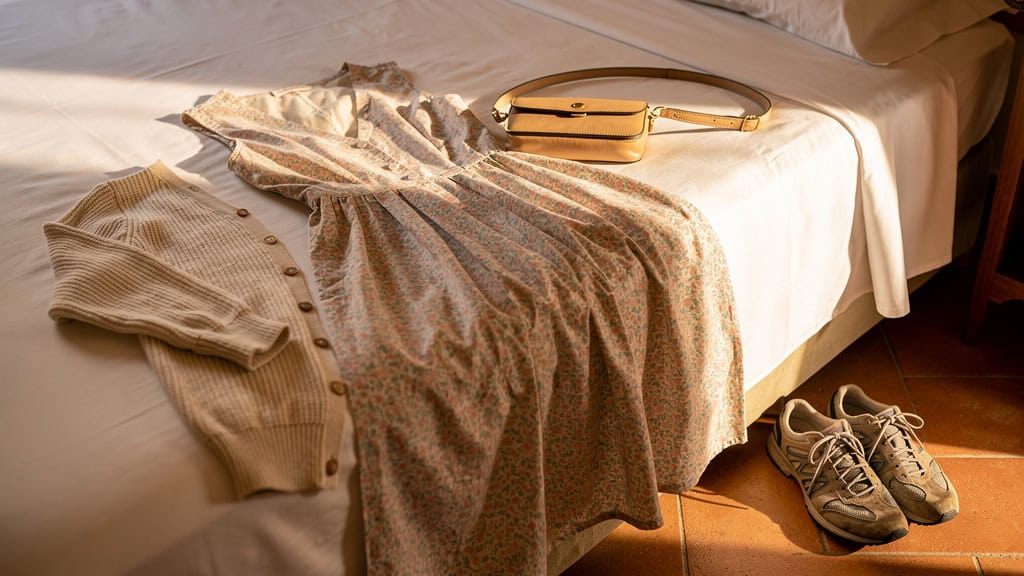
Women often worry more about what to wear, especially in hot weather, but there is a wide range of outfits that feel both respectful and stylish. The aim is simple: cover shoulders and knees, avoid see‑through fabric, and stay cool enough to enjoy the visit.
Breathable materials and light layers work best. Think of soft cotton t‑shirts, loose midi dresses, and linen pants that let air move easily. With a bit of planning, it is easy to walk the streets of Rome in a breezy dress, then add one small extra layer just before reaching Vatican security.
Appropriate Tops And Shirts For Women
For tops, any shirt that fully covers the shoulder is a good start. Simple t‑shirts, blouses with short sleeves, long‑sleeve shirts, light sweaters, and cardigans all work well. The sleeves do not have to be long; they just need to cover the top of the shoulder without gaps.
Avoid:
- Tank tops, spaghetti straps, tube tops, halter necks
- Off‑shoulder or one‑shoulder styles
- Low necklines that show a lot of cleavage
- Crop tops or anything that reveals the stomach
A very practical trick in summer is to wear a sleeveless dress or top around Rome, then carry a lightweight scarf, shawl, or cardigan in a bag. Just before the security line, place that layer over the shoulders and keep it on inside. Fabrics such as cotton, linen, or thin blends keep the outfit cool but modest.
Suitable Skirts, Dresses, And Pants For Women
For skirts and dresses, the magic line is the knee. Pieces that reach to the knee, mid‑calf, or the ankle are perfect. Midi and maxi dresses are especially popular because they feel comfortable, cool, and safe for every church in the city.
Be careful with:
- Short skirts or dresses that end above the knee
- Hems that lift when walking or sitting
- High slits that open above the knee
Long trousers, jeans, or capri pants that come well below the knee also match the dress code. Loose linen or cotton pants feel great in summer and allow air to flow, while simple, non‑ripped jeans work in every season.
Very tight leggings on their own are not ideal. If someone loves leggings, it is better to wear them under a tunic or dress that covers the hip and reaches the knee. See‑through or very thin fabrics, even with a slip underneath, often look too revealing and are safer to avoid.
What Men Should Wear To The Vatican
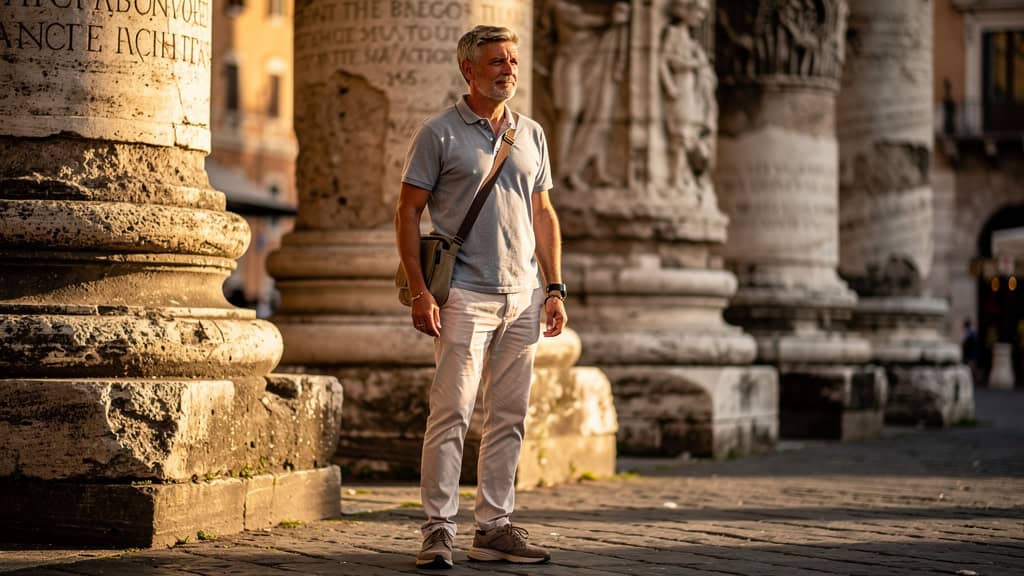
Men usually have a simpler time with the Vatican dress code. A shirt with sleeves and pants that cover the knees will work almost every time. The main risk comes from hot weather, when shorts, tank tops, and sportswear seem tempting for long days of sightseeing.
With a bit of planning, men can dress in light, breathable clothing that stays cool and still fits the standard. The goal is to look neat enough for church while feeling comfortable on cobblestones and in museum halls.
Appropriate Shirts For Men
Men have several easy shirt options that fit the dress code:
- Plain t‑shirts with sleeves
- Polo shirts
- Short‑sleeve button‑downs
- Long‑sleeve dress shirts
A collar looks a bit more polished, but it is not required. The key point is that the sleeves cover the shoulders fully.
Avoid:
- Tank tops, sleeveless shirts, muscle shirts
- Shirts with rude words, offensive images, or strong political or religious slogans
Simple cotton t‑shirts in neutral colors are often the easiest choice. They match almost any pair of pants, stay cooler in the sun, and look respectful enough for both museums and churches.
Suitable Pants And Shorts For Men
For men, long pants are by far the safest option. Chinos, light cotton trousers, and non‑ripped jeans all match the Vatican dress code. In summer, thin linen pants feel almost as cool as shorts and move well in the heat.
Shorts are the biggest grey area. In theory, they can be allowed if they cover the knee completely when the person stands, walks, and sits. Standard casual shorts often sit higher than this, especially once they ride up a little. Sports shorts, gym shorts, and swim trunks are not appropriate at all.
Sweatpants and very casual joggers are best left for flights or hotel time. Pants with big rips, holes, or heavy distress, especially around the knee, can draw unwanted attention from guards. A simple, clean pair of trousers prevents these problems and still feels fine for several hours of walking.
Prohibited Clothing And Items At The Vatican
Knowing what not to wear is just as important as knowing what works. Many visitors think they look covered enough, but one detail such as a cut‑out shoulder or a ripped knee ends their visit before it even starts.
The rules cover more than shirts and pants. Accessories, tattoos, shoes, and even bag size can all affect a person’s experience at the entrance. A few minutes of planning at the hotel can save a lot of stress in front of the metal detectors.
Forbidden Clothing Items
Certain clothes almost always lead to refusal at Vatican entrances:
- Tops without sleeves: tank tops, spaghetti‑strap shirts, strapless dresses, bandeau tops, off‑shoulder styles
- Crop tops or shirts that show the midriff
- Shorts above the knee, miniskirts, and short dresses
- See‑through or sheer fabrics that show underwear or skin
- Ripped and distressed jeans with holes near or above the knee
- Sweatpants, sports leggings worn as pants, gym outfits, and beachwear
- Flip‑flops and clothing with rude language or anti‑religious images
Even if you see others in line wearing similar items, guards may still refuse entry. Their decision is based on what they see at that moment.
Accessories And Additional Restrictions
The rules for accessories are simple but easy to forget:
- Hats, caps, and beanies must come off once a person walks into any indoor Vatican space. Outdoors in St. Peter’s Square, hats are fine, but they come off at the door.
- Men must remove all head coverings when they enter. Religious head coverings, such as a nun’s veil, follow different customs and may be allowed.
- Tattoos that show violent, hateful, or strongly anti‑religious images may need to be covered with a scarf or extra layer. Jewelry that uses mocking religious symbols can cause the same issue.
- Large backpacks, suitcases, and big camera gear cannot go into the museums or the basilica and must be left in the free cloakroom.
For a smoother experience, bring only a small day bag or crossbody bag with essentials for a few hours.
Dressing For The Vatican In Different Seasons
While the rules stay the same all year, the weather in Rome changes a lot between August and January. Hot stone streets, crowded museum halls, and long lines in direct sun can feel intense if an outfit is too heavy. With the right fabrics and layers, it is possible to respect the Vatican dress code and still feel comfortable.
Seasonal planning matters even more for cruise passengers and families with children, who may already feel tired from a long morning. Good clothing choices help keep energy high so the art, not the heat, becomes the main memory of the day.
Summer Vatican Dress Code Tips

Summer in Rome often brings temperatures in the high eighties or nineties (Fahrenheit). Humidity and crowds can make it feel even warmer, especially in the line for St. Peter’s Basilica or during a Papal Audience in the square. Light, breathable fabrics are the best way to stay modest without overheating.
For women, long, loose maxi dresses or skirts in cotton, linen, or rayon work very well. Light colors reflect more sun and keep the body cooler. A short‑sleeve t‑shirt or blouse on top, plus a thin scarf in the bag, allows quick coverage at the church door. Men do well with linen or cotton shirts and light trousers that allow air to move.
Outside the churches, sun protection matters a lot:
- A hat for St. Peter’s Square
- Sunscreen and sunglasses
- A refillable water bottle (Rome has many public fountains with safe, cool water)
A thin scarf, shawl, or cardigan remains the key tool in summer. It weighs almost nothing, rests in a bag between stops, and comes out just before the security line.
Fall, Winter, And Spring Vatican Attire
Cooler seasons make the Vatican City dress code easier to follow. Sweaters, long‑sleeve tops, coats, and long pants already cover shoulders and knees, so most standard outfits fit the rules without extra thought. The main choice is how many layers to bring.
The air inside the Vatican Museums can feel warm due to crowds, even on a chilly day outside. Light layers help a lot: a long‑sleeve shirt with a cardigan or light jacket gives warmth outdoors and can be removed once inside. In fall and spring, weather can change quickly from sunny to breezy, so checking the forecast that morning helps.
Comfortable walking shoes matter in every season. Closed shoes with good support protect feet on cold stone floors and long corridors. A thin pair of socks makes even simple sneakers feel better during a three‑hour visit.
Choosing The Right Footwear For Your Vatican Visit
While the Vatican pays far less attention to shoes than to shoulders and knees, footwear can make or break the day. The Vatican Museums stretch through almost eight miles of corridors and galleries, and a normal visit often means several hours of walking on hard marble or stone.
Acceptable and comfortable choices include:
- Walking shoes or sneakers
- Flats
- Low‑heeled dress shoes
- Sandals with a back strap
These options look neat enough for church and support the foot during long periods on the move.
Flip‑flops are not a good idea. They look too casual, offer almost no support, and can feel unsafe on stairs or smooth floors. Brand‑new shoes with stiff soles often cause blisters by the time a person reaches the Raphael Rooms. It is better to wear shoes that you have already tested on a long walk.
Many guests with ETuk Tours Rome like to wear their most comfortable pair during the day, then change into dressier shoes back at the hotel for evening plans. Our electric tuk‑tuks and golf carts give feet a break between stops, which helps a lot after several hours in the museums or St. Peter’s Square.
Special Circumstances: Papal Audiences And Children
Some visitors come to the Vatican not only for art and architecture, but also to see the Pope during a Papal Audience or to bring children for a first visit. The good news is that the same basic dress code still applies, with only a few extra points to keep in mind.
Thinking ahead about shade, water, and comfort helps families enjoy these special moments instead of focusing on sunburns or sore feet.
Dress Code For Papal Audiences
For a Papal Audience, the Vatican dress code still asks for covered shoulders and knees. The event often takes place outdoors in St. Peter’s Square, so the overall feel can seem a bit more relaxed, but modest clothing remains the standard for everyone near the seating area.
Casual but neat outfits work well:
- T‑shirt with sleeves and long pants for men
- Knee‑length dress or skirt with a light cardigan for women
Hats are fine outdoors and very helpful in strong sun. If the audience moves indoors or a visitor heads into St. Peter’s Basilica afterward, hats must come off again.
Because audiences can last one to two hours, bring layers and a small bag with water, sunscreen, and maybe a light snack. Checking the Vatican website before the visit helps with any special notes about time, weather, or access.
Vatican Dress Code For Children
Children, especially teenagers, are expected to follow the same rules as adults. Shoulders and knees stay covered, and clothing should not be see‑through or very tight. Guards may show a bit more patience with toddlers, but it is safer for families to dress all kids in Vatican‑ready outfits before leaving the hotel.
Practical choices for children include:
- T‑shirts with sleeves
- Knee‑length shorts or light pants for boys
- Simple dresses, skirts, or leggings under a longer top for girls
Comfortable shoes are even more important for kids, since they tire faster on long days of walking.
Many families who tour with ETuk Tours Rome appreciate the chance to sit in our electric tuk‑tuks or golf carts between sites. This gives small legs time to rest, makes it easier to handle extra layers or spare clothing, and keeps the day fun instead of exhausting.
What To Do If You Arrive Inappropriately Dressed
Even with planning, mistakes still happen. Someone may pack the wrong pair of shorts, forget a cardigan, or misjudge how high a slit rises when they walk. If a guard stops a person at the entrance, it can feel embarrassing, especially after a long trip from Civitavecchia or across the city.
The visit does not have to end there. Around the Vatican, many street sellers and small shops offer quick cover‑up items:
- Thin ponchos or plastic cloaks
- Large scarves or wraps
- Simple t‑shirts and long skirts
Prices often sit between five and fifteen euros, higher than normal, but still far less than the cost of missing a timed ticket.
A useful rule of thumb many guides share is, “Bring one extra layer you could wear to a family lunch with grandparents. If it feels fine there, it will feel fine in the Vatican.”
These emergency pieces solve the problem, but they are not very pleasant on hot days. A plastic poncho in ninety‑degree heat sticks to the skin and feels uncomfortable in crowded rooms, so it should be a backup, not the main plan.
Much better is to keep a light scarf or cardigan in a day bag for everyone in the group. If someone forgets, another choice is to stop at a nearby clothing shop and buy a simple t‑shirt or long skirt. Guests on private tours with ETuk Tours Rome have one more safety net: because our vehicles are private and flexible, we can adjust the route, swing back by a hotel or apartment for a quick change, and still keep the rest of the day on track.
How ETuk Tours Rome Makes Your Vatican Visit Stress-Free
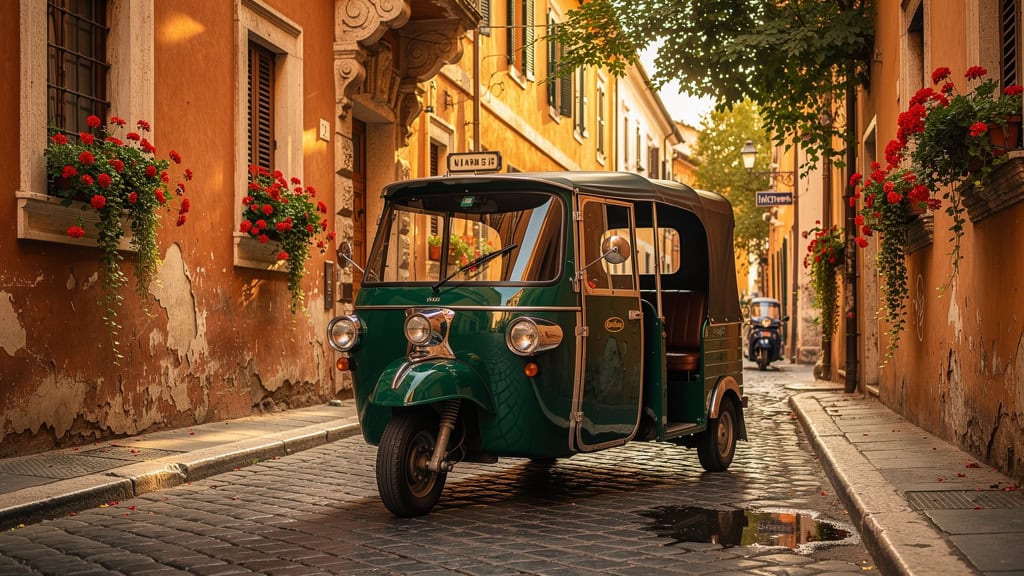
Clothing is only one source of stress on a Vatican day. There is also traffic, bus routes, limited time in port for cruise guests, and tired feet after miles of walking. This is where ETuk Tours Rome helps make the whole experience smoother from start to finish.
We operate the first electric tuk‑tuks in Rome, along with comfortable golf carts and Ape Calessino vehicles. These small, eco‑friendly vehicles slip through narrow historic streets that big buses cannot use. That means we can bring visitors close to the Vatican entrance, then continue to other major sights like the Colosseum and the Pantheon in the same day.
Because most of our tours are private or in very small groups, timing stays flexible. If someone realizes they forgot a scarf or wore the wrong shorts, we can:
- Adjust the route
- Stop at a shop for a quick purchase
- Return briefly to a hotel or cruise transfer point
Guests are not stuck following a rigid bus schedule with dozens of other people.
Our local guides speak several languages and know the Vatican City dress code very well. Before we reach the area, we remind guests about shoulders and knees, hats, and bags, so there are no surprises at the gate. For cruise passengers who come from Civitavecchia with only one day in Rome, this guidance saves time and avoids costly mistakes.
Shaded, cushioned seats and smooth electric motors also mean less fatigue. Visitors step out at the Vatican feeling fresher and more focused, ready to enjoy the art and history rather than worry about sore feet or confusing bus maps.
Frequently Asked Questions About The Vatican Dress Code
Even after reading a guide, many people still have small doubts about what they can wear in Vatican City. These common questions and answers clear up the points that cause the most trouble at security.
How strictly is the Vatican dress code enforced?
Enforcement is very strict. Guards check clothing for every visitor in the main lines, not only for those in guided groups. They have full authority to say yes or no based on what they see, and their decision stands. People are turned away daily for bare shoulders, short shorts, or low tops, and tickets are not refunded.
Can you wear jeans to the Vatican?
Yes, jeans are allowed as long as they are not ripped or full of holes. Classic blue or black jeans without heavy distress, large tears, or flashy decorations count as respectful casual wear. Slim or straight cuts both work. Just pair them with a shirt that has sleeves and appropriate shoes.
Are shorts allowed in the Vatican?
Shorts only pass the rule when they fully cover the knee, even after a person sits or walks. That means most standard styles for men and women do not meet the requirement. Long Bermuda shorts come close but still risk refusal if they ride up. Long pants or capri pants are a much safer choice.
Can women wear sleeveless dresses if they bring a cover-up?
Yes. A woman may wear a sleeveless dress while walking around Rome, then place a cardigan, shawl, or wide scarf over her shoulders before reaching Vatican security. The cover‑up should go on before entering the line and stay on the whole time inside so guards see a modest outfit.
Are flip-flops or sandals permitted?
Sandals are allowed, but flip‑flops are not a good idea. They look too casual for a sacred place and do not support the foot on long walks. Sandals with a back strap, or dressier styles that stay firmly on the foot, work much better. For most visitors, closed walking shoes or sneakers give the best mix of respect and comfort.
Can men wear T-shirts inside the Vatican?
Yes, t‑shirts are allowed for men as long as they have sleeves and a modest fit. The shirt should not show rude words, violent images, or strong political or anti‑religious messages. Sleeveless t‑shirts and tank tops do not pass.
Do I need to remove my hat inside the Vatican?
Yes. Everyone must remove hats and caps when they go into indoor spaces. This applies to St. Peter’s Basilica, the Sistine Chapel, side chapels, and the Vatican Museums. Outdoors in St. Peter’s Square, hats are fine and even helpful against the sun, but they come off at the door.
Are backpacks allowed in the Vatican Museums?
Small backpacks and day bags are allowed, but large bags are not. Big backpacks, suitcases, and bulky camera cases must go into the free cloakroom near the entrance. Keep in mind that the museum cloakroom is different from the one for St. Peter’s Basilica, so it helps to bring only what is needed for a few hours.
Conclusion
A visit to Vatican City is often a highlight of a trip to Rome. With a little planning, the Vatican dress code does not have to feel stressful or confusing. The rule stays simple from start to finish: shoulders and knees covered, no see‑through fabric, and modest cuts that respect the sacred nature of churches and chapels.
The safest outfits use long pants or trousers, knee‑length or longer skirts and dresses, and shirts with sleeves. A light scarf or cardigan in a bag gives extra security in case a top or dress feels a little too open. Comfortable, supportive shoes matter just as much, because the museums and basilica involve many steps and hours on hard floors.
Dressing this way does not mean giving up personal style. Visitors can still choose colors, patterns, and shapes that feel like them, as long as they fit the basic rules. With those details ready the night before, the focus can move from clothing checks to Michelangelo’s ceiling, Bernini’s columns, and the quiet power of St. Peter’s Basilica.
At ETuk Tours Rome, we help guests arrive at the Vatican calm, prepared, and on time. Our private, eco‑friendly tours give the space to adjust outfits, rest between sites, and ask local guides for last checks before the line. With dress code worries out of the way, a visit to Vatican City becomes what it should be: a rare chance to stand inside one of the most important religious and cultural sites on earth.