
Planning a first trip to Rome can feel like staring at a giant, beautiful puzzle. There are ruins on every corner, winding streets, and guidebooks packed with “must‑see” sights. When you add mobility or health needs, it can be hard to know where to start.
The encouraging news is that Rome is far kinder to older visitors than it first appears. Over recent years the city has added ramps, elevators, accessible routes, and senior‑friendly services at almost every major attraction. Combine that with Italy’s love of long meals, slow conversations, and relaxed schedules, and you get a city that works very well at a gentle pace.
This guide walks through twelve of the best things to do in Rome for seniors, chosen with comfort, accessibility, and enrichment in mind. From electric golf cart tours with ETuk Tours Rome to Vatican visits, gardens, concerts, and easy day trips, every idea here aims to reduce walking and stress while keeping the magic of the city alive.
Key Takeaways
- Rome offers many senior friendly activities, even for visitors with limited mobility. With smart planning, you can see famous sights, enjoy local food, and still feel rested.
- Electric golf cart tours are one of the most comfortable ways to cover Rome’s highlights. They reduce walking, reach narrow historic streets, and still allow for relaxed photo stops. ETuk Tours Rome specializes in this eco‑friendly style of touring.
- Booking skip‑the‑line tickets and guided tours in advance saves time and energy. Long queues in the sun can be especially draining for older travelers.
- Spring and autumn usually bring milder weather, smaller crowds, and easier days outside. Winter can work as a good‑value option, while high summer is often very hot and crowded.
- Many major sites, including the Vatican, Colosseum, and several museums, now have elevators, ramps, and accessible paths. Food tours, evening sightseeing, and park visits add enjoyable options that do not require long walks or steep climbs.
Why Rome Is Perfect For Senior Travelers
At first glance, Rome’s cobblestones and ruins can look intimidating. In practice, the city has invested heavily in accessibility, from elevators in ancient monuments to clear routes in major museums. For many attractions, step‑free access and staff assistance are now standard.
Rome’s historic center is compact, so most top sights sit within a short drive of each other. When you combine that with golf carts, taxis, and hop‑on hop‑off buses, it becomes realistic to see the Pantheon, Trevi Fountain, Spanish Steps, and Colosseum in one day without walking long distances.
Italian culture itself is a major advantage. Long lunches, shaded piazzas, coffee breaks, and the habit of taking time to talk all fit naturally with a relaxed senior travel style. Add plenty of benches, cafés on almost every corner, senior discounts at many museums, and good hospitals with English‑speaking staff, and the city starts to feel very welcoming.
“Travel and change of place impart new vigor to the mind.” — Seneca
When you overlay this with modern options like electric golf cart tours from ETuk Tours Rome, Rome becomes one of the most appealing choices in Europe for older travelers.
1. Electric Golf Cart Tours – Rome’s Ultimate Senior-Friendly Experience
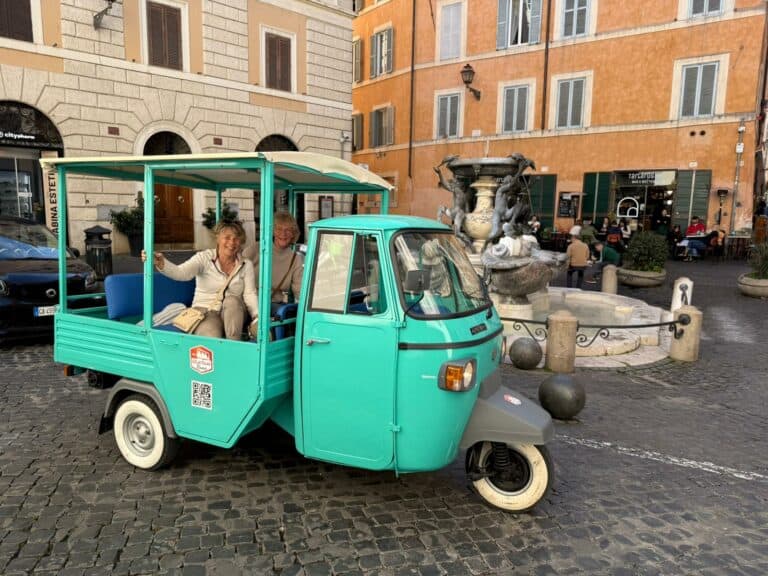
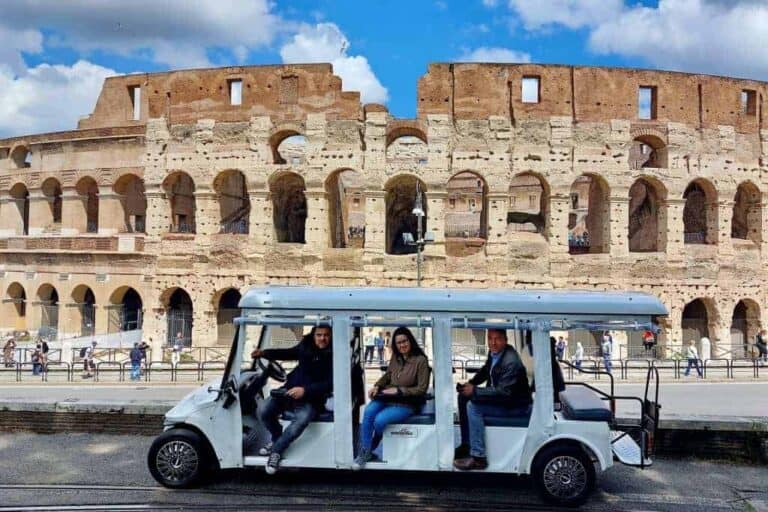
If you only choose one activity from this list, consider an electric golf cart tour. These experiences let you glide through the city, see many highlights, and step out only when you really want a closer look. There is far less dealing with steep hills, uneven stones, or long stretches on foot.
These quiet vehicles can slip into narrow historic lanes that buses and vans cannot reach, providing close‑up views of places like the Pantheon, Piazza Navona, and hidden courtyards. Seats are cushioned, the step into the cart is low, and open sides make it easy to take photos or enjoy the breeze.
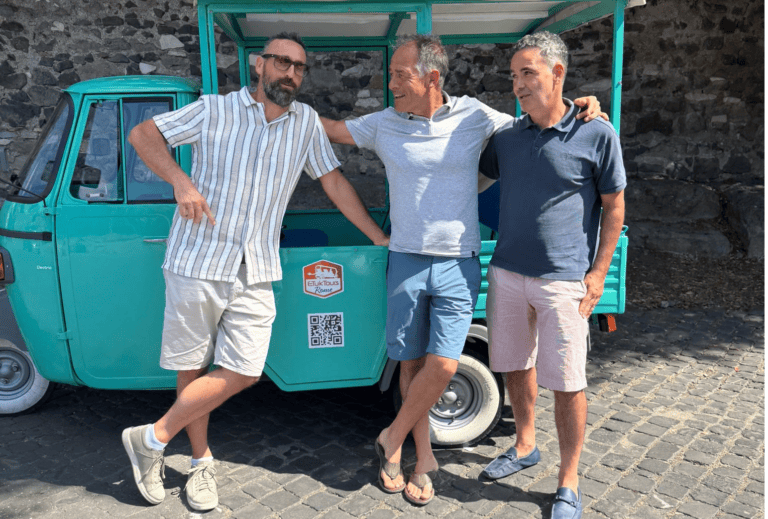
ETuk Tours Rome operates electric tuk‑tuks and golf carts across the city and has years of experience with older guests. Tours can focus on classic sights, secret corners, food stops, or romantic viewpoints, depending on interests and energy levels. Local multilingual guides share stories at an unhurried pace and gladly add extra gelato, bathroom, or coffee stops when needed.
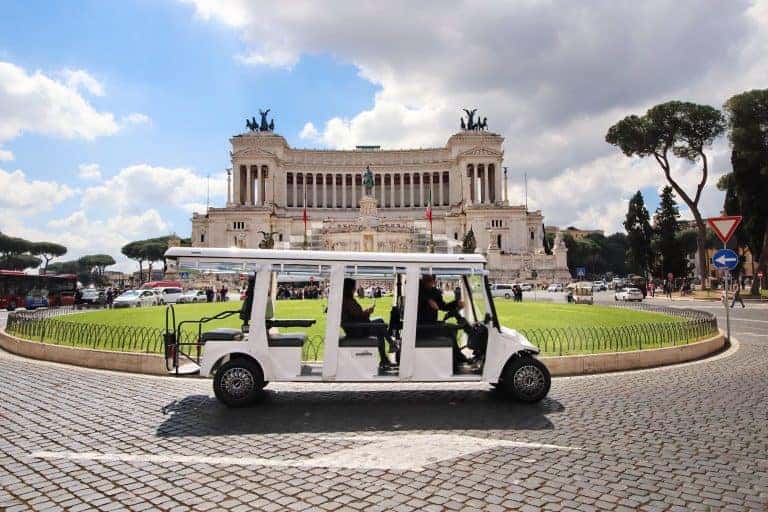
For cruise passengers from Civitavecchia, ETuk Tours Rome also offers golf cart‑based “Rome in a Day” experiences with private transport to and from the port. That removes guesswork about trains, reduces stress about getting back to the ship on time, and turns a hectic port call into a relaxed day of senior friendly activities in Rome.
2. Skip-The-Line Vatican Tours For Seniors
The Vatican Museums and Sistine Chapel sit high on most wish lists, and seniors do not need to avoid them. The secret is to skip the general lines, which can last for hours and require long periods of standing.
Booking skip‑the‑line Vatican tours for seniors or small‑group guided visits saves a large amount of waiting. Early morning or late afternoon slots are usually cooler and a little quieter, which helps a lot on hot days.
Inside, the Vatican is more accessible than many people expect. Elevators link different levels, wheelchair friendly routes run through the galleries, and staff often point out easier paths. Wheelchairs are available at the entrance. St. Peter’s Basilica has flat entry and wide aisles, so you can admire the interior without climbing stairs. A visit of three to four hours, with at least one rest or coffee break, suits most older travelers.
3. Accessible Colosseum And Roman Forum Experiences
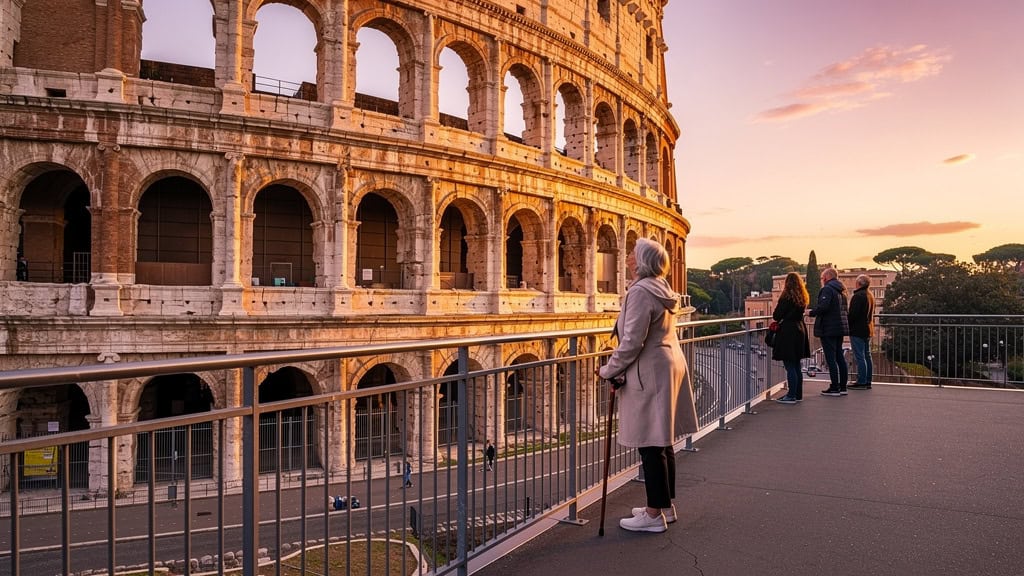
Standing inside the Colosseum is one of those moments that makes Rome feel very real. Many seniors worry about the stairs, but there is now an elevator up to the upper levels, and staff are used to helping visitors who move more slowly.
Booking a Colosseum accessible tour that clearly includes elevator access is the smoothest option. Guides know the simplest paths, where handrails are located, and the best places to sit while listening to stories. Entrance staff are also trained to support visitors with mobility challenges.
The Roman Forum next door has more uneven ground, yet there are marked accessible routes that pass key temples and arches. It is better to focus on a few main areas than to try to see everything. For anyone who prefers to avoid rough terrain entirely, the terrace on Capitol Hill offers a beautiful panoramic view over the Forum. First or last entry slots of the day, plus water, a hat, and sunscreen, make the outing far more comfortable.
4. Hop-On Hop-Off Bus Tours – Comfortable Panoramic Sightseeing
Hop‑on hop‑off buses are another smart tool for senior travel in Rome. These double‑deck buses follow fixed routes that pass the Colosseum, Circus Maximus, Vatican area, Spanish Steps, and other landmarks, letting you step off briefly and then rejoin the route.
If you feel tired, you can stay seated for the full loop and enjoy views of Rome from above. The buses usually have air conditioning downstairs and recorded commentary in several languages, so you can hear background stories without walking at all.
A one‑ or two‑day pass can double as both sightseeing and transportation, replacing some taxi rides and cutting down on long walks between distant attractions. While it is less personal than a small golf cart tour, it gives a broad overview of the city with very little physical effort.
5. Culinary Adventures – Food Tours And Market Experiences

Food is one of the easiest ways to connect with Rome and fits naturally with senior friendly activities. Most culinary tours involve short walks broken up by plenty of sitting, tasting, and chatting, so the pace stays gentle and social.
ETuk Tours Rome offers food experiences where guests ride comfortably by golf cart between some of the city’s best spots. Along the way you might taste cheeses, cured meats, artisan breads, and local wine, all handpicked so you discover real Roman flavors without searching on your own. Because the cart does the moving, walking stays light.
More traditional walking food tours in areas such as Trastevere or Testaccio can also suit active seniors. These often include bakeries, family trattorias, and old‑fashioned grocery shops, with many chances to sit down. Market visits to Campo de’ Fiori, pasta‑making classes, or a quiet hour in a wine bar offer mostly seated activities that still feel very local.
6. Evening And Sunset Tours – Rome Illuminated

Rome after dark feels almost like a different city. Temperatures drop, crowds thin, and monuments glow under warm lights. For many older travelers, evening and sunset tours are easier on the body than long days in strong sun, while still delivering wonderful views.
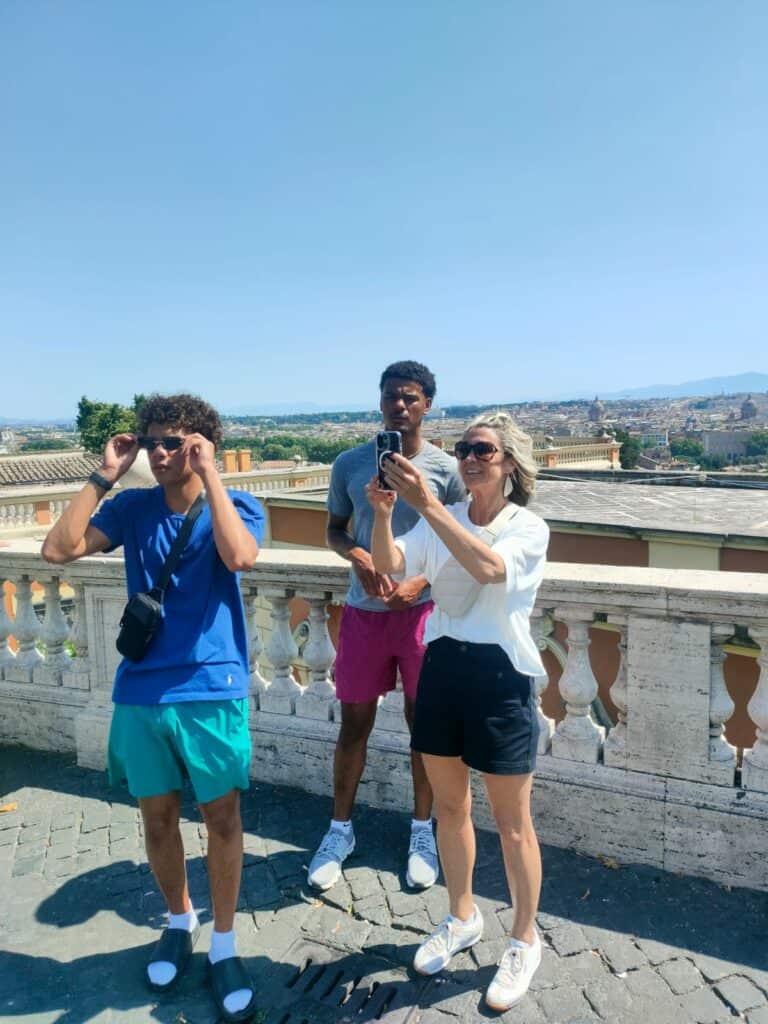
ETuk Tours Rome runs evening golf cart experiences that focus on this softer side of the city. From a comfortable seat, you can watch the sky change color from places like Pincio Terrace or Janiculum Hill. The Colosseum, St. Peter’s Basilica, and Trevi Fountain look especially striking when lit at night, and there is usually less pushing and shoving than at midday.
A gentle night tour pairs well with a relaxed dinner at a traditional restaurant. Some guests enjoy an early meal followed by a night ride, while others prefer a sunset tour and then dessert and coffee. Moving around with a guide after dark also feels safer than walking unfamiliar streets alone.
7. Tranquil Gardens And Parks For Leisurely Exploration
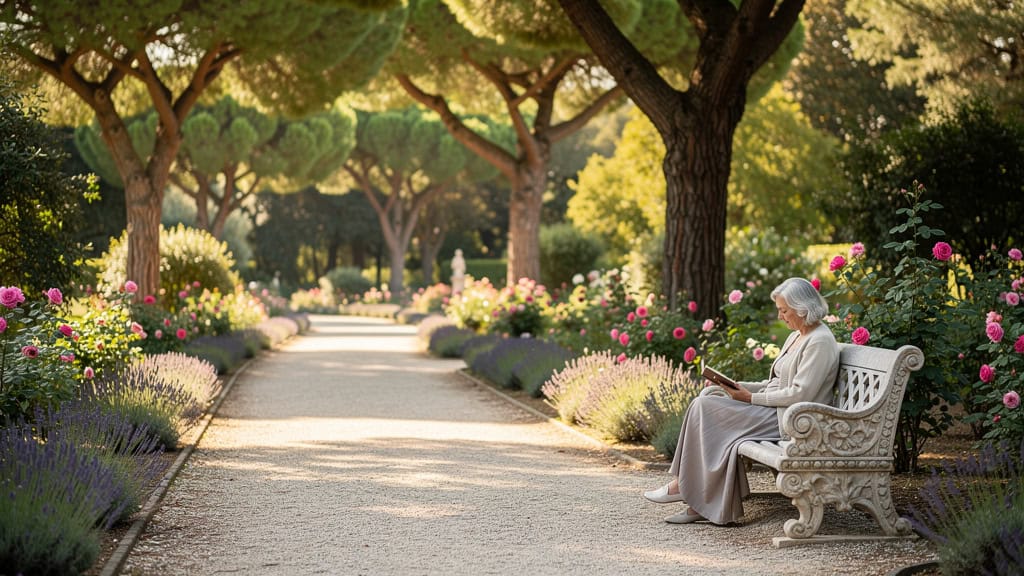
Busy streets and crowded squares can tire anyone, so it helps to include green spaces on your list of things to do in Rome for seniors. The city has several parks and gardens where you can sit, breathe, and enjoy shade.
Villa Borghese is the best known and one of the most senior friendly parks. It offers paved paths, plenty of benches, gentle slopes, and lovely views over the city from the Pincio area. Cafés and gelato stands are close at hand, and nearby museums allow an easy mix of culture and nature.
Smaller gardens provide even more quiet. The Orange Garden on the Aventine Hill has a short, simple walk from the entrance and a wide view across Rome. In late spring, the Rose Garden near the Circus Maximus fills with colorful, fragrant blooms. Some churches and monasteries, such as Santa Sabina, hide calm cloisters and courtyards that feel far from city noise and give both body and mind a rest.
8. Major Basilicas Beyond St. Peter’s
St. Peter’s Basilica deserves its fame, but Rome’s other major basilicas are also worth attention, especially for seniors who want grandeur without heavy crowds.
St. John Lateran, the cathedral of Rome, has flat entry and a bright, spacious interior filled with statues and mosaics. Santa Maria Maggiore, near Termini station, offers ramps and a layout that works well for slower walkers or wheelchair users, along with glittering ceilings and ancient mosaics.
A little farther out, St. Paul Outside the Walls stands in a wide, peaceful courtyard that feels almost like a retreat. Entry to these basilicas is free (donations welcome), and they share the same simple dress code as the Vatican: shoulders and knees covered. For those who wish, attending mass in one of these churches can be a moving, low‑effort experience.
9. Museum Experiences With Accessibility Features
Beyond the Vatican, Rome offers many museums that combine important art with solid accessibility. For culture‑loving seniors who want shorter, focused visits, these can be ideal.
The Capitoline Museums on Capitol Hill feature elevators, ramps, and plenty of seating among ancient statues and Roman history. The Borghese Gallery, set inside Villa Borghese park, uses timed entry, which keeps visitor numbers low. Its accessible ground floor holds masterpieces by Bernini and Caravaggio, so even a brief visit feels rewarding.
For modern art and architecture, MAXXI (Museum of 21st Century Arts) was designed with accessibility in mind. Smaller museums such as Palazzo Altemps or the Ara Pacis Museum are easier to explore in under two hours yet rich in stories. Many museums offer wheelchairs on request and have cafés or quiet corners for rests.
10. Intimate Cultural Experiences – Opera And Classical Concerts
Evenings in Rome do not need to involve more walking. Opera and classical music are excellent options for seniors who want culture while staying seated.
Teatro dell’Opera di Roma presents opera and ballet in an elegant hall that is easy to reach by taxi. The Auditorium Parco della Musica, home to the Santa Cecilia Orchestra, hosts concerts in comfortable, modern spaces with clear access points. Many historic churches also offer shorter concerts featuring violin, piano, or vocal ensembles.
Senior discounts are common, so it pays to check prices. Booking tickets online in advance means better seat choices and no waiting at the door. A calm pre‑theater dinner nearby turns the evening into a full yet relaxed outing.
11. Day Trips For Seniors – Tivoli’s Gardens And Hadrian’s Villa
If you have a little extra time, a day trip to Tivoli is a wonderful option near Rome. This small town lies about 30 kilometers away and offers cooler air plus two remarkable sites.
Villa d’Este is famous for its terraced Renaissance gardens filled with fountains and shady paths. There are some steps, but many areas can be reached along more gradual routes, and there are plenty of places to sit. Hadrian’s Villa (Villa Adriana) spreads over the countryside and includes shuttle services, such as small trains or carts, to help visitors with mobility issues reach the main ruins.
Organized tours from Rome that include transportation remove worries about public buses, timetables, or getting lost. A half‑day visit usually works well for seniors, leaving late afternoon free for rest back at the hotel. Spring and autumn are especially pleasant times to visit these gardens.
12. Customized Private Tours – Your Rome, Your Way
Some travelers prefer full control over what they see, when they rest, and how long they stay at each stop. For these visitors, customized private tours can be the most comfortable choice, especially when planning things to do in Rome for seniors with health or mobility concerns.
ETuk Tours Rome offers private golf cart options such as the “Private 3 hours ETuk Tour in Rome” and the “Private Rome in a Day Tour.” These can be shaped around personal interests, from art and churches to hidden neighborhoods and food stops. Because the tour is private, the pace is completely flexible and can easily include extra café breaks, bathroom stops, or quiet moments in a church.
For cruise passengers, ETuk Tours Rome also provides packages with private transport from Civitavecchia port into Rome and back again. Keeping the whole day under one booking removes stress about ship departure times and lets guests focus on enjoying the city. While private tours cost more than large group options, many seniors find the comfort, attention, and saved energy worthwhile.
Tour of Rome in 7 seater Golf Cart
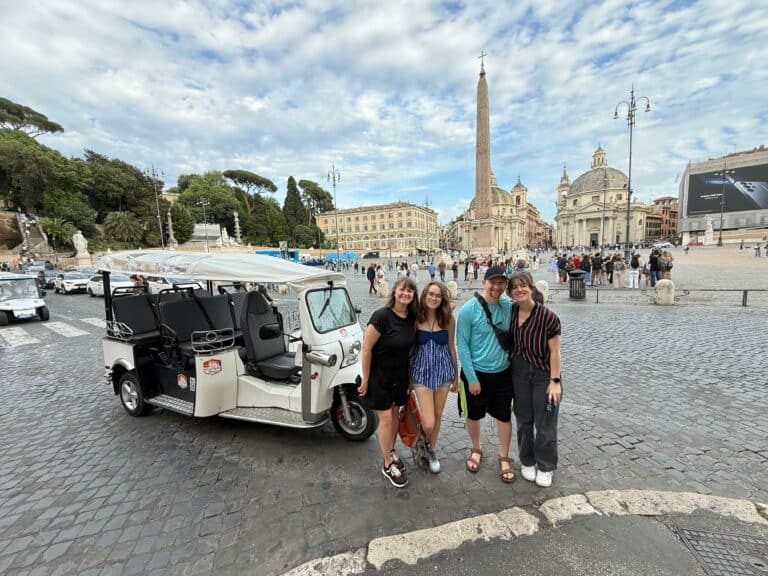
Golf Cart Tour Rome – Explore Rome at ease on our 3‑hour shared golf cart tour in Rome. Glide past the Colosseum, Trevi Fountain, Vatican Square and more in comfortable, eco‑friendly style – perfect for small groups wanting to see the city’s highlights with ease and fun. Book now for a memorable ride through Rome!
Rome Day Tour by Golf Cart: Cruise Ship Experience from Civitavecchia
Rome Golf Cart Tour from Civitavecchia Cruise Port – Step off your ship at Civitavecchia and glide through Rome on our Rome Day Tour by Golf Cart. Enjoy private transport, a relaxed ride through the city’s iconic sights, and seamless return—your perfect one‑day Roman adventure.
Planning Your Senior-Friendly Roman Holiday
“Age is no barrier. It’s a limitation you put on your mind.” — Jackie Joyner‑Kersee
Best Time To Visit Rome For Seniors
For most seniors, the best seasons for Rome are spring (April–June) and autumn (September–October). Temperatures are milder, daylight lasts longer, and crowds are more manageable. July and August often bring strong heat and packed streets, which can be demanding for older visitors. Winter has cooler weather and shorter days but suits those who prefer fewer tourists and lower prices.
Choosing Senior-Friendly Accommodations
Where you stay has a big impact on how tiring your trip feels. Central areas such as the Pantheon district, Campo de’ Fiori, and Prati make it easier to reach sights and restaurants with short transfers.
Look for hotels that offer:
- An elevator or step‑free access to rooms
- A walk‑in shower instead of a high bathtub
- An on‑site restaurant or room service for nights when you are tired
- A 24‑hour front desk and helpful concierge for taxis and reservations
- A quiet side street location for better sleep
It is worth checking by email or phone that these features really exist before you book.
Booking Tours And Tickets In Advance
Good planning before arrival saves a lot of energy once you are in Rome. Skip‑the‑line tickets for the Vatican and Colosseum are almost always worth arranging ahead of time. Popular accessible tours, especially golf cart and private experiences, can sell out weeks in advance during peak seasons and on heavy cruise days.
Try to choose tours with clear cancellation or change policies, in case health, weather, or simple tiredness means you need to switch days or time slots. A little flexibility built into the schedule keeps the overall trip calm.
Conclusion
Rome can be gentle for older visitors when days are shaped with care. With eco‑friendly golf carts, accessible museums, easy evening tours, and peaceful gardens, there are many things to do in Rome for seniors that feel enriching rather than exhausting. The city’s love of good food, slow conversations, and beautiful spaces matches naturally with a relaxed travel style.
From a practical point of view, the most helpful choices are to reduce walking where possible, avoid long lines, and mix “big” sights with quiet pauses. Electric golf cart tours, like those from ETuk Tours Rome, make this far easier by connecting many highlights into comfortable, seated experiences. Add a culinary adventure or two, a concert or opera night, and perhaps a gentle day trip to Tivoli, and you have a well‑balanced stay.
“The world is a book, and those who do not travel read only one page.” — St. Augustine
Rome’s treasures are not reserved for the young or athletic. With thoughtful planning, they are open to travelers of every age and ability. When the time comes to plan, you might start with an ETuk Tours Rome experience and let someone else handle the hills and traffic while you relax, look around, and collect new memories.
FAQs
Is Rome Safe For Senior Travelers?
Rome is generally safe for older visitors, especially in central areas filled with other tourists. As in any large city, keep an eye on bags in crowded spots and avoid very quiet streets late at night. If any health issue arises, Rome has good hospitals and many English‑speaking doctors and pharmacists.
How Much Walking Is Required For A Typical Day In Rome?
A traditional sightseeing day on foot can easily add up to five to eight miles without noticing. Seniors do not need to follow that pattern. Using golf cart tours, hop‑on hop‑off buses, and taxis can sharply cut walking distance. Planning regular café or bench breaks and alternating heavier walking days with more relaxed tour‑based days also helps.
What Should Seniors Pack For A Rome Trip?
Packing with comfort in mind makes a big difference. Helpful items include:
- Comfortable, broken‑in walking shoes with good support
- Lightweight layers, plus a sunhat, sunglasses, and sunscreen
- At least one outfit that covers shoulders and knees for church visits
- All regular medications in carry‑on bags, plus copies of prescriptions
- A reusable water bottle, since Rome’s public fountains offer safe drinking water
Are Senior Discounts Available At Rome Attractions?
Many museums and attractions in Rome offer reduced tickets for visitors over a certain age, often 65 and above. A valid photo ID is required to prove age at the ticket counter. Sometimes residents of the European Union receive slightly better discounts than visitors from other regions, but it is always worth asking, even if signs do not mention special rates.
How Far In Advance Should I Book Rome Tours And Tickets?
For major sights like the Vatican Museums and Colosseum, book tickets and guided tours at least two to four weeks before arrival during spring and autumn. Private golf cart and other accessible tours can also fill quickly on busy days. Last‑minute bookings may still be possible, but choices of times and tour styles are likely to be more limited.