
Stepping out into Rome for the first time feels like walking onto a movie set. Cobblestones, domes, and the smell of espresso all compete for attention. Very quickly, most visitors start to wonder how to make the most of their stay and how to avoid these 5 neighborhoods in Rome that locals quietly warn about.
Rome is, on the whole, a safe and welcoming city. Millions visit each year and leave with full camera rolls and good memories. The main problems are not violent crime but pickpocketing, tourist scams, and a few dangerous areas in Rome that can feel tense, especially after dark. A little local context goes a long way.
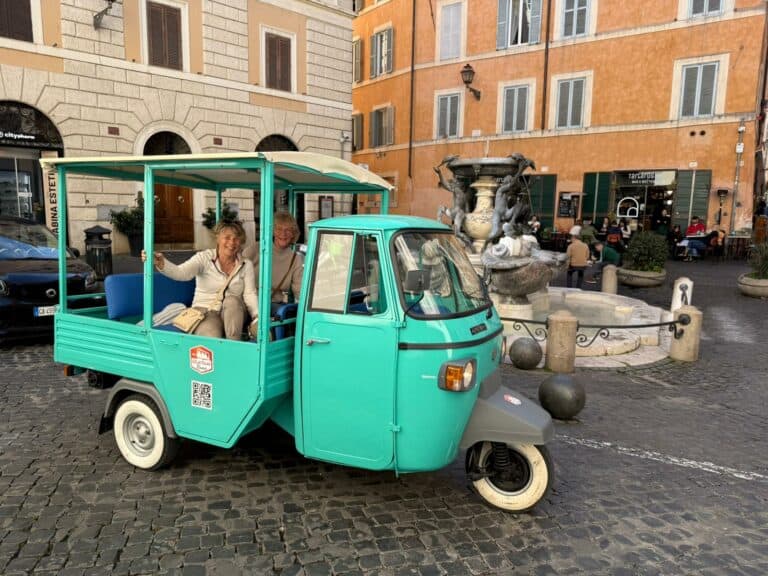
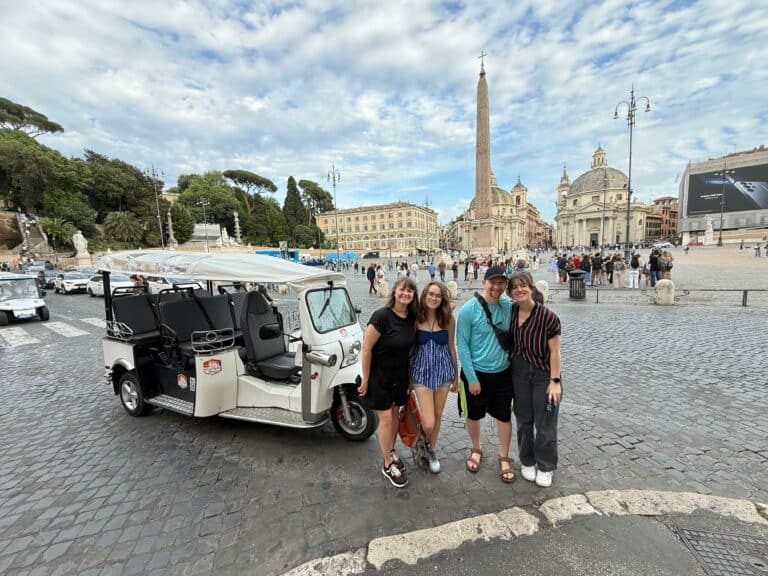
In this guide, we highlight places that often cause stress, along with the districts we actually love and recommend. As local guides at ETuk Tours Rome, we design our Rome golf cart tours around the safest, most beautiful routes, so guests see more of what they came for and less of what they did not. The goal is not fear; it is smart choices.
“Rome is easy to enjoy when you know where to linger and where to keep walking.” — Local Rome guide
Key Takeaways
- Rome is generally safe, and most trips are trouble-free. The main risks are pickpocketing, scams, and a few unsafe neighborhoods in Rome that feel uneasy, especially after dark.
- The five areas to think twice about are Termini and Esquilino, San Lorenzo and Pigneto, plus several outer Rome bad neighborhoods that start with “Tor.” These matter most for hotel choices and late-night plans.
- Safer, more pleasant districts include Monti, Trastevere, Prati, and the classic historic center. They mix easy access to sights with lower crime, better food, and streets that feel comfortable to walk.
- Simple habits protect visitors from most Rome tourist scams and Rome pickpocket areas. Keeping bags closed and in front, carrying little cash, and saying “no” to pushy helpers all help. Local guides, like our team at ETuk Tours Rome, naturally steer guests along the safest, most rewarding paths.
Termini Station And Esquilino: Rome’s High-Alert Transit Hub
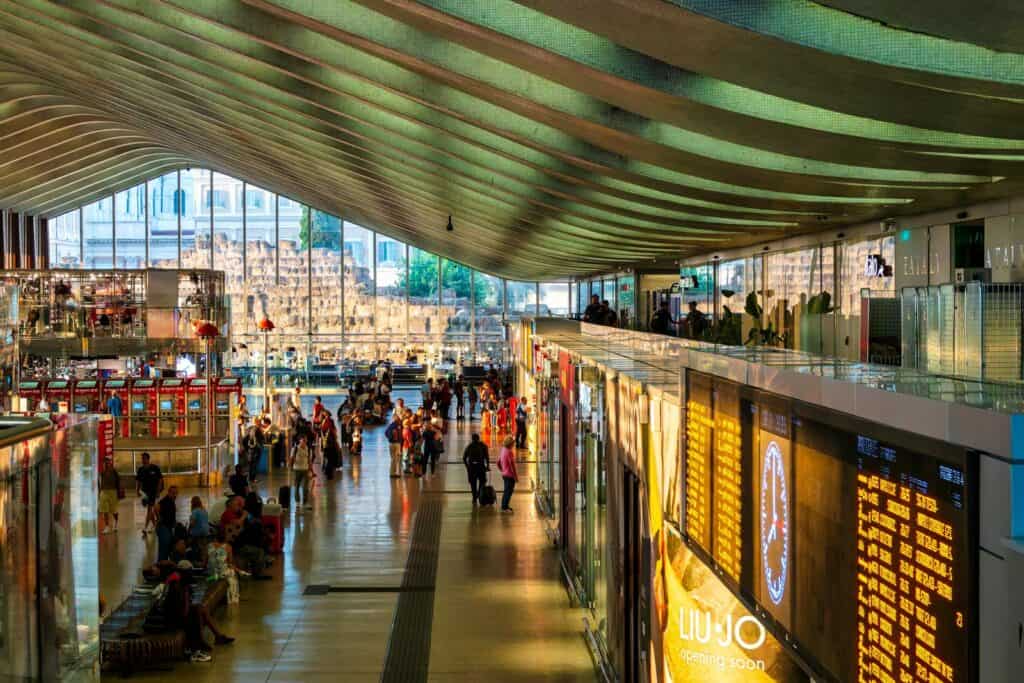
Most visitors meet this part of Rome on day one. Termini is the main train and metro hub, and Esquilino spreads out around it. The area is central and useful, yet it also tops lists of Rome’s dangerous areas for petty theft. With some awareness, it stays manageable, but it is rarely where people enjoy sleeping.
Why Termini Station Demands Your Full Attention
Termini is noisy, crowded, and full of people in a hurry. Trains arrive from all over Italy, buses pull in from airports, and metro lines cross underneath. That mix gives pickpockets cover to watch for distracted travelers lifting bags onto trains, standing in ticket lines, or checking phones on packed platforms.
The risk is highest in tight spots near train doors, escalators, and entry gates. Thieves often work in pairs or groups: one person bumps or asks a question while the other’s hand reaches for a zipper or a pocket. Others pretend to help with tickets or luggage, then demand “tips” that feel hard to refuse.
Treat Termini as somewhere to pass through, not to linger. Keep bags closed and in front, keep only small cash handy, and say a firm “no” to strangers who offer help at ticket machines. Many cruise visitors skip this stress by booking private transfers. Our own transfers and tours from Civitavecchia take guests straight from cruiseship to city sights without wrestling luggage through this hectic station.
Esquilino: Beautiful Churches, Persistent Problems
Step outside Termini and Esquilino appears almost at once. On a map it looks ideal: near the station, full of hotels, and home to churches such as the Basilica of Santa Maria Maggiore. On the street, though, the mix of street vendors, budget lodging, and Rome tourist scams can feel tiring.
Petty crime runs higher here than in many other central districts. Pickpockets blend into crowds around piazzas and tram stops. Some restaurants show pretty photos and high food prices that do not match the bill. Street sellers may push bracelets or trinkets into a visitor’s hand, then demand money and refuse to take the item back.
Esquilino also feels less comfortable late at night, especially on side streets near the station. For visits to Santa Maria Maggiore or other churches, daytime is best. Plan a clear route, keep bags close to the body, and check recent restaurant reviews. With a local guide, walks stay on safer main streets and skip the pockets where pressure from vendors and thieves feels strongest.
San Lorenzo And Pigneto: Rome’s Trendy-But-Unpredictable Districts
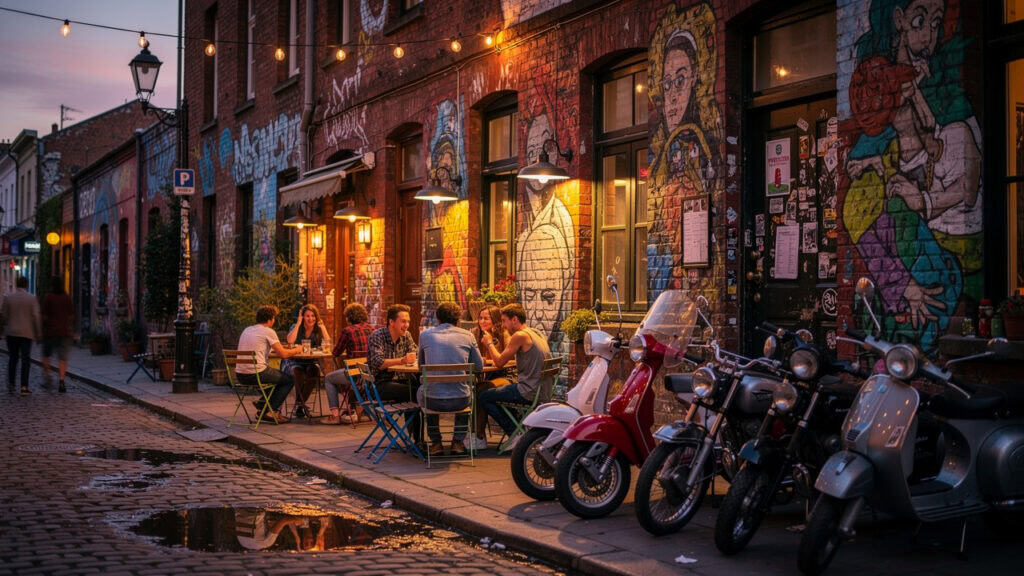
San Lorenzo and Pigneto often appear in guidebooks as “cool” or “alternative.” Both have street art, bars, and lower prices than many central areas. Locals also know they can shift from fun to tense, especially after dark, so they rarely make sense as a base for first-time visitors.
San Lorenzo: When Bohemian Turns Gritty
San Lorenzo grew as a student neighborhood near the university. For years, it felt creative and slightly rough, with cheap pizza, late-night bars, and plenty of young people. Parts of that spirit remain, but the mood has changed in ways many visitors do not notice until it feels too late.
During the day, streets stay fairly calm, even if graffiti and worn buildings give a hard edge. As the sun goes down, public drinking, loud arguments, and petty crime become more visible. The jump from lively to unsettling can be quick, especially on side streets away from the main roads.
If someone is curious about San Lorenzo, a daytime visit is enough. Stay on main roads and head back before late evening. For most travelers, especially families or couples on short trips, Rome offers better options. When guests want a romantic night view without worry, our evening golf cart tours take them to safe viewpoints such as the Gianicolo hill and quiet piazzas, where the main sounds are clinking glasses and soft music.
Pigneto: The Creative District With A Caveat
Pigneto is farther from the main historic sights and often attracts people seeking a more “local” feel. Colorful murals cover many walls, small cafes line the streets, and independent bars appeal to young Romans.
The picture is mixed. Reaching Pigneto from the Colosseum, the Vatican, or Trastevere takes time, which makes it inconvenient for a short stay. Safety also changes by hour: late morning and early afternoon usually feel relaxed, but as night settles in, some streets feel edgy, and reports of drug dealing and theft rise.
For a first or second visit to Rome, we usually suggest skipping Pigneto. There is no need to travel far from the center for authentic food or lively squares when places like Trastevere, Testaccio, and Monti offer all of that with fewer concerns. If someone does visit Pigneto, daytime with a clear route in and out works best.
The Outlying “Tor” Neighborhoods: Areas To Avoid Completely
So far, we have looked at central districts that many visitors cross at least once. Rome also has outer areas with much tougher reputations, especially several that start with “Tor.” These sit far from the Colosseum and the Vatican, have little to interest visitors, and deal with more serious crime. For travelers, they are best left off the map.
Understanding The “Tor” Pattern
Local talk in Rome often repeats that neighborhoods starting with “Tor” tend to be rough. There is some truth behind the joke. Many of these districts grew as large housing projects on the city’s edge, with fewer parks, fewer services, and almost no draw for short-term visitors.
From a tourist point of view, the concern is distance and isolation as much as crime. Streets may feel empty at some hours and tense at others, with very little of the charm people expect in Rome. There are no famous churches, no classic piazzas, and very few hotels aimed at international guests. Names to know here include Torre Maura, Tor Bella Monaca, Torpignattara, and Torre Angela.
“When a hotel price looks far cheaper than the rest of Rome, double‑check the address before you book.” — Rome hotel manager
Specific Neighborhoods To Bypass: Torre Maura, Tor Bella Monaca, And San Basilio
Torre Maura, on the eastern edge of Rome, is a plain residential district with little tourist life, and locals often describe it as unwelcoming for outsiders. Small daytime issues can grow later in the afternoon and at night, so it is a poor choice for a hotel or a long walk.
Tor Bella Monaca appears in news reports more often, mostly for drug trafficking and other organized crime. High‑rise blocks, social tension, and frequent police action all send a clear message when visitors ask about it: this is not a place for a Rome vacation. San Basilio, in the northeast, shares some of the same problems, from vandalism to drug issues, while also lacking any Rome neighborhood guide highlights such as markets or monuments.
Centocelle, slightly closer in, attracts some long‑term renters because of price, yet many locals warn new arrivals away from it as well. Comments focus on safety, street damage, and a general lack of services for outsiders. We mention these districts not to judge residents but to help visitors focus on better options. Tour companies and good hotels do not use these zones, and our private Rome tours stay in the historic, scenic, and comfortable parts of the city where guests feel welcome from the first minute.
Where We Actually Recommend Staying: Rome’s Safest And Most Charming Neighborhoods
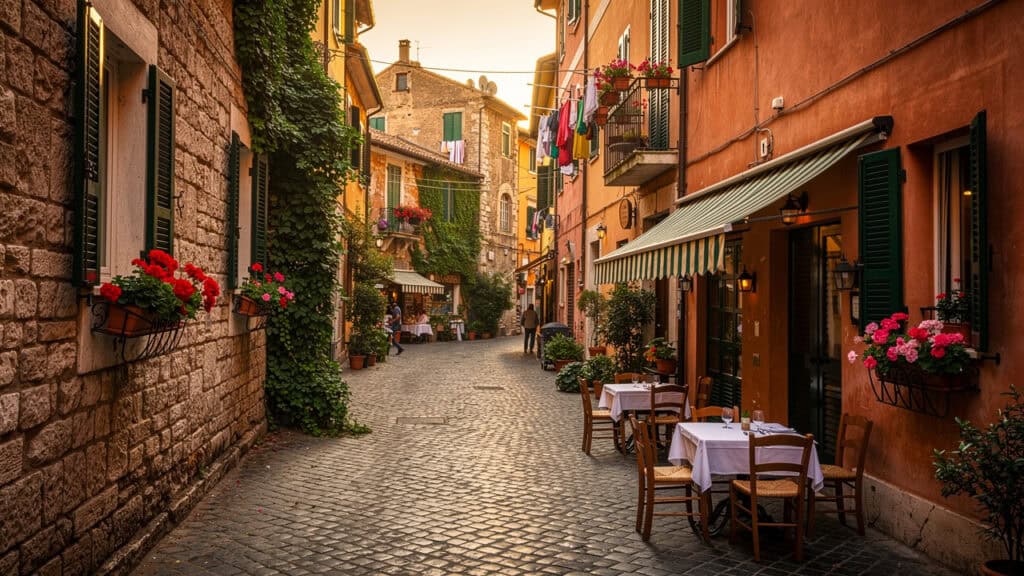
After discussing problem spots, it helps to look at the good parts of a Rome travel safety guide. Rome has several districts that mix atmosphere, safety, and quick access to the main sights.
Monti: Village Charm In The Heart Of Rome
Monti sits between the Colosseum and Termini yet feels surprisingly peaceful. Narrow streets, small piazzas, and slow traffic give it a village feel. It is full of studios, craft shops, and trattorias, and it is an easy walk to the Colosseum, Roman Forum, and Piazza Venezia, with far fewer Rome tourist scams than around the biggest monuments.
Trastevere: Where Locals And Visitors Mingle Safely
Across the Tiber, Trastevere offers the classic scene many visitors imagine: stone lanes, laundry over the streets, kids playing soccer, and the smell of pizza from wood ovens. The area has excellent food, lively but friendly nightlife, and usually feels safer than Esquilino or San Lorenzo for Rome tourist safety. Our Rome Food Tour by Golf Cart often focuses here because it hides many family‑run spots most people would never find on their own.
Prati: Elegant Sophistication Near The Vatican
Near the Vatican, Prati has wide avenues, elegant buildings, and well‑kept sidewalks. Crime levels tend to be lower, streets are well lit, and there are fewer souvenir stands than in the historic center. Buses and the metro connect Prati smoothly to the Spanish Steps and Piazza del Popolo, which makes it a strong option for families and visitors planning long visits to the Vatican Museums and St. Peter’s Basilica.
Essential Safety Tips For Navigating Rome Like A Confident Local
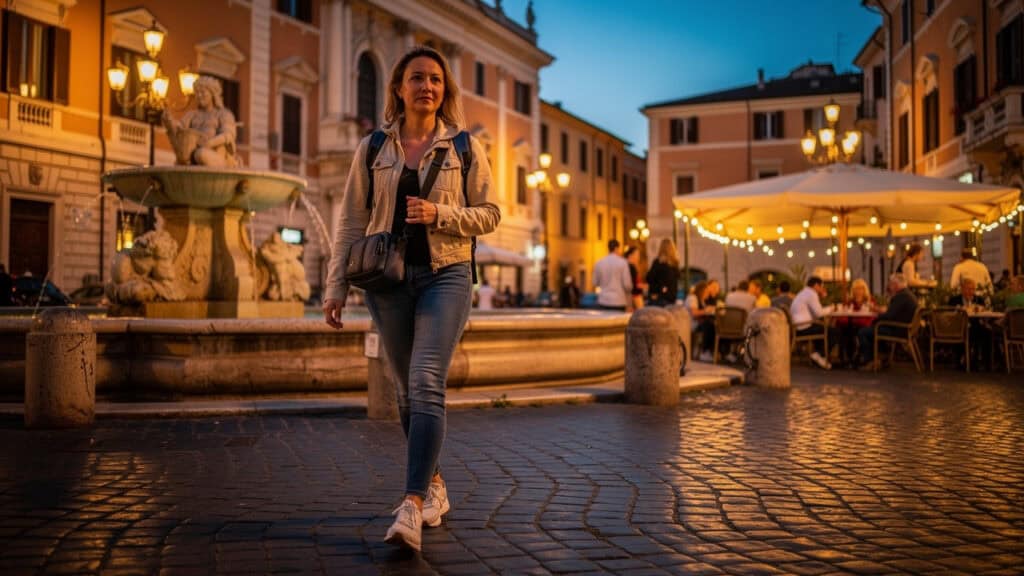
Rome rewards visitors who stay alert without slipping into worry. Most Rome tourist safety advice comes down to common sense, but it helps to see it in one place. These habits cut the risk of trouble in Rome pickpocket areas without taking away from the fun.
- Stay aware in crowded spots. Pay attention when visiting the Trevi Fountain, Spanish Steps, Piazza Navona, Piazza Venezia, and inside busy churches and museums. Thieves look for people lost in photos or maps, so step aside to check directions and notice who stands close on buses or in lines.
- Control bags and valuables. Cross‑body bags that close fully and stay in front work far better than open totes or loose backpacks. Keep wallets and phones in front pockets or zipped jacket pockets, not in back pockets, and avoid flashing large bundles of cash.
- Treat public transport with care. Buses and metro trains, especially near Termini, can fill quickly. Thieves often push into crowded doors at the last second or gather around ticket gates. Stand with a hand on your bag and eyes up; if someone bumps into you or presses too hard, move away at the first safe moment.
“Pickpockets rely more on crowds and distraction than on skill. If you see them coming, they usually move on.” — Veteran Rome tour guide
- Handle money simply. Many shops and restaurants accept cards, so there is no need to carry big stacks of euros. Keep a small amount handy for gelato or tips and a backup card in a separate, hidden spot. That way any minor theft becomes an inconvenience, not a crisis.
- Be cautious with offers of help. At stations, near ATMs, and around major sights, some people offer ticket help, photos, or directions that come with pressure or surprise fees. A polite but firm “no, grazie” while you keep walking is enough. When help is really needed, ask a uniformed worker, shopkeeper, or guide.
- Plan evenings with light and company. Stick to main streets and lively piazzas after dark instead of cutting through quiet alleys in less‑known areas. Districts such as Trastevere, Monti, and the central historic zone stay busy and feel comfortable well into the night. Guided night tours, including our Rome by night experiences, remove any guesswork about routes.
See Rome Comfortably and Avoid the Stress
Knowing which areas to avoid is only part of planning a great trip to Rome. The best way to enjoy the city with confidence is by exploring it with locals who know where to go—and when. Many visitors choose a guided Golf Cart Tour in Rome to move easily between landmarks while avoiding uncomfortable or confusing areas. Travelers from the U.S. and U.K. can also unlock exclusive savings while reading this guide. And for those still planning their itinerary, curated Rome golf cart experiences often become the easiest, safest way to discover the city without unnecessary risks or wasted time.
Conclusion
Rome is not a city to fear; it is a city to understand. Once someone knows how to avoid these 5 neighborhoods in Rome that often cause stress, the rest of the map feels much more welcoming. Places like Termini and Esquilino become simple transit points instead of problems, and far‑out districts such as Tor Bella Monaca drop off the plan.
The good news is that the areas worth visiting far outnumber the areas to skip. Monti, Trastevere, Prati, the historic center, and many other streets invite slow walks, good meals, and long looks at ancient stones. With smart choices about where to stay, where to wander at night, and how to guard pockets, the answer to Is Rome safe for tourists? is a calm yes.
Local knowledge makes this even easier. At ETuk Tours Rome, we design eco‑friendly tuk-tuk and golf cart routes that pass through the safest, most beautiful parts of the city, from headline sights to quiet corners. Guests sit back while a local guide handles traffic, parking, and neighborhood choices. For anyone with limited time or low tolerance for stress, booking a tour with us means more photos, more stories, and far fewer worries about what might be around the next corner.
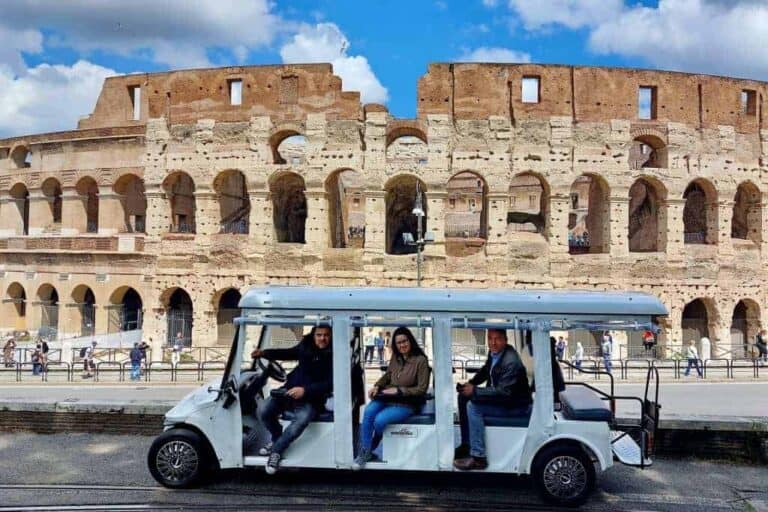
Tour of Rome in 7 seater Golf Cart
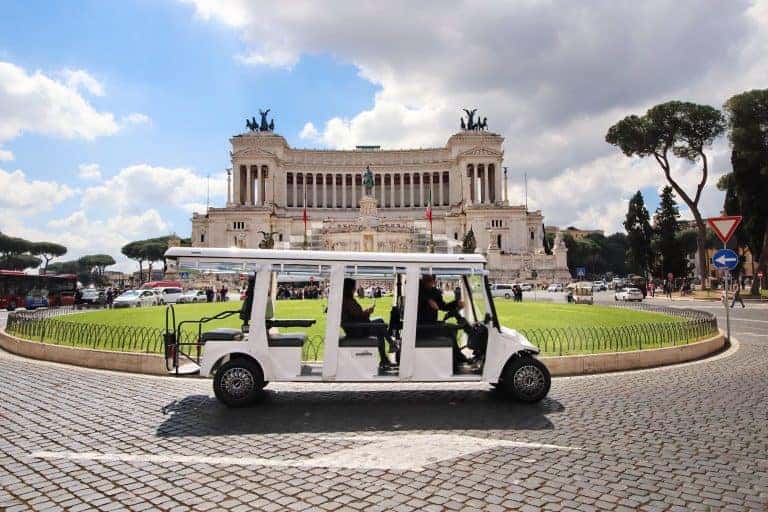
Golf Cart Tour Rome – Explore Rome at ease on our 3‑hour shared golf cart tour in Rome. Glide past the Colosseum, Trevi Fountain, Vatican Square and more in comfortable, eco‑friendly style – perfect for small groups wanting to see the city’s highlights with ease and fun. Book now for a memorable ride through Rome!
Rome Day Tour by Golf Cart: Cruise Ship Experience from Civitavecchia
Rome Golf Cart Tour from Civitavecchia Cruise Port – Step off your ship at Civitavecchia and glide through Rome on our Rome Day Tour by Golf Cart. Enjoy private transport, a relaxed ride through the city’s iconic sights, and seamless return—your perfect one‑day Roman adventure.
FAQs
-
Is Rome Safe For Tourists In 2025?
Rome remains one of the safer big cities in Europe for visitors. Violent crime against tourists is rare; most problems involve pickpocketing or small scams in crowded places. With basic awareness and the safety steps in this guide, most people have no trouble at all and go home with only good stories.
-
What Is The Most Dangerous Area In Rome For Tourists?
Among Rome bad neighborhoods, Tor Bella Monaca has one of the worst reputations, mostly due to drug trafficking and organized crime. It sits far from the center, so short‑term visitors almost never reach it by accident. Other “Tor” districts share similar issues. The areas tourists see most, such as Termini and Esquilino, mostly involve petty theft rather than serious violence.
-
Where Should I Avoid Staying In Rome?
For hotel bookings, it is best to skip the streets right next to Termini, most of Esquilino, San Lorenzo, Pigneto, and any of the outer “Tor” neighborhoods. These zones either feel rough or sit too far out, or both. best area to stay include Monti, Trastevere, Prati, the Centro Storico, and Testaccio, even if they cost a little more.
-
Is It Safe To Walk Around Rome At Night?
It is generally safe to walk in central Rome after dark, especially in lively districts such as Trastevere and the historic center. Sticking to well‑lit streets and busy squares lowers risk even more. Problems are more likely when people cross quiet areas near Esquilino, San Lorenzo, or the far‑out “Tor” zones late at night. Guided evening tours offer a relaxed way to see Rome lit up, without having to guess which streets feel best.
-
How Do I Avoid Pickpockets In Rome?
The best defence is to control where valuables sit and how close strangers can get to them. Carry bags in front, with zippers closed, and use the front pockets or the inside jacket pockets for wallets and phones. Stay extra alert in Rome, especially in pickpocket areas such as Termini, metro trains, and crowded tourist sites. Watch for groups who bunch up suddenly, people who drop items at your feet, or anyone who distracts with loud talk.
-
What Should I Do If I’m Scammed Or Robbed In Rome?
If someone becomes a victim of theft or a scam, report it to the police, either at a station or by calling 112, the European emergency number. Cancel bank cards right away if they were taken and contact your embassy or consulate for help with a lost passport. Most hotels assist guests with calls and directions to the nearest office. Keeping copies of passports and important documents in a separate place speeds the process and reduces stress.