
Planning an itinerary for first-time visitors to Rome can feel exciting and a little intimidating. There are ancient ruins, priceless art, tiny alleys, and famous churches all packed into one city. Add limited time, jet lag, or a tight cruise schedule, and it is easy to worry about missing the best parts. Many people open a Rome travel guide, see page after page of “musts,” and freeze.
Long ticket lines at big Rome tourist attractions, confusing maps, and crowded buses can drain energy fast. Different travelers often have different worries:
- Families fear kids will get tired or bored.
- Couples want some romance, not just a checklist of monuments.
- Eco‑minded visitors try to balance comfort with responsible choices.
All of this makes visiting Rome for the first time feel like a big puzzle.
This guide gives a clear, realistic Rome first-time itinerary built around three to four smart days. It explains the best time to visit Rome, where to stay, and how to plan each day, from the Colosseum to the Vatican to quiet viewpoints. Along the way, it shows how ETuk Tours Rome and its eco‑friendly tuk-tuks and golf carts can turn a busy Rome 3 day itinerary into a relaxed, memorable visit, especially for cruise passengers and small groups. Read through, pick the parts that fit, and every hour in Rome will count.
“Rome is not like any other city. It’s a big museum, a living room that shall be crossed on one’s toes.”
— Alberto Sordi
Planning Your Perfect Rome Visit – Essential Pre-Trip Decisions
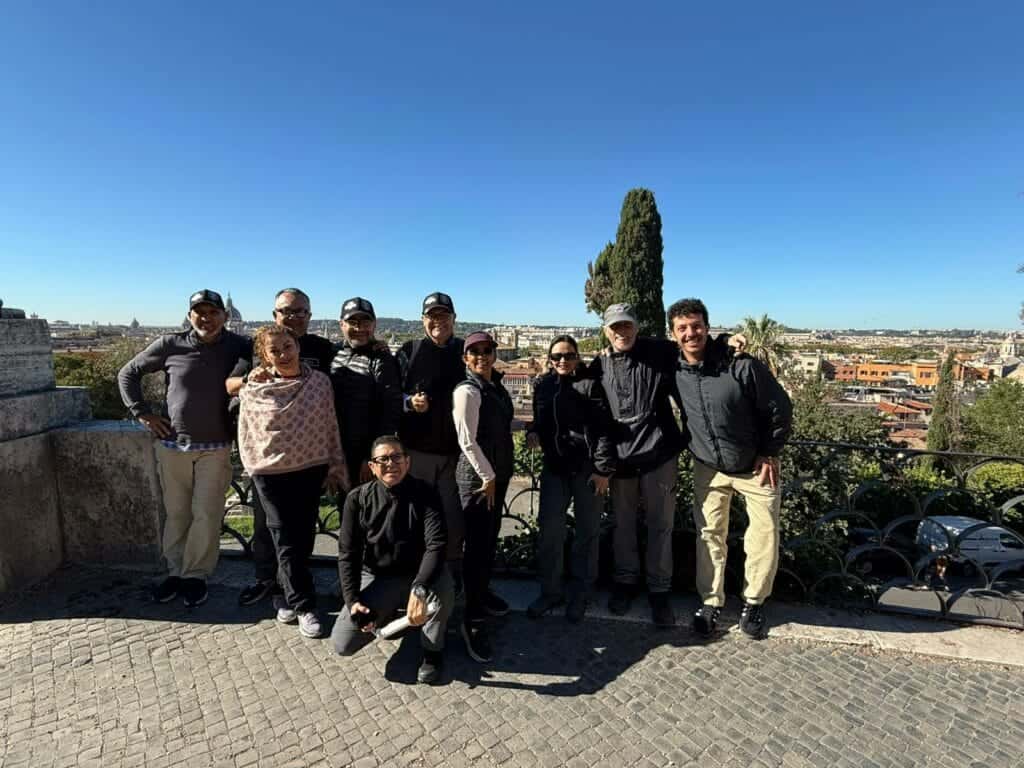
A good itinerary for first-time visitors to Rome starts with one key choice: how many days to spend. For most people, three to four days is the sweet spot. That gives time for the Colosseum and Roman Forum, Vatican City, and central sights without racing from dawn to dark.
Think in terms of one major ticketed site per day. A morning at the Colosseum or the Vatican Museums already fills the brain and feet. Use the rest of each day for slower walks, gelato breaks, and exploring neighborhoods.
A simple way to plan:
- 1 day in Rome: Fast “greatest hits” loop: Colosseum area, historic center, and St. Peter’s Basilica.
- 2 days in Rome:
- Day 1: Ancient Rome plus the historic center.
- Day 2: Vatican City plus Trastevere.
- 3+ days in Rome: A Rome 3 day itinerary can spread out nicely, with time for art museums, markets, and evening strolls.
Season matters for Rome vacation planning:
- Spring (March–May): Mild weather, blooming parks, and lighter crowds. For many, this is the best time to visit Rome.
- Fall (September–November): Pleasant temperatures and fewer visitors than peak summer.
- Summer: Hot and crowded, so early mornings and late evenings matter.
- Winter: Cooler and cheaper, with fewer lines and a more local feel.
Book Colosseum tickets, Vatican Museums entry, and Borghese Gallery slots well ahead, often weeks in advance. Guided Rome sightseeing tour options with skip‑the‑line access save huge amounts of time.
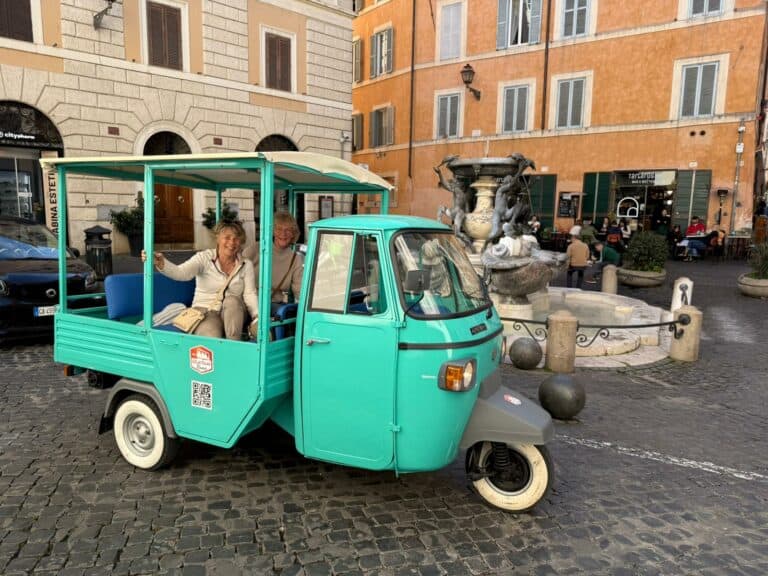
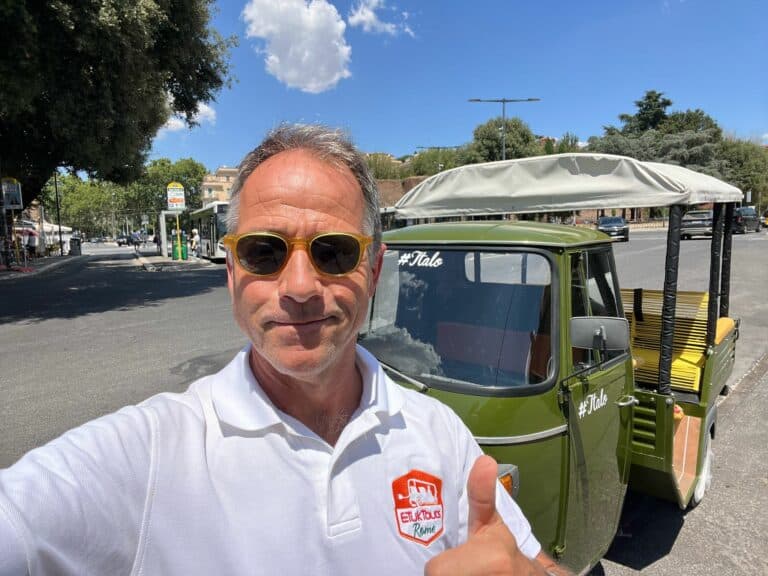
This is where ETuk Tours Rome works especially well for time‑poor travelers and cruise guests. Private 3‑hour electric tuk-tuk tours and cruise‑ready experiences cover major highlights in comfort, with a local guide handling timing, shortcuts, and traffic.
Where to Stay in Rome – Neighborhood Guide for First-Timers
Choosing where to stay can shape how easy each day feels, particularly in a city where tourism and urbanization, an interconnected evolution, have transformed historic neighborhoods into modern visitor hubs while preserving their ancient character. For an itinerary for first-time visitors to Rome, central areas reduce stress and transport time and make spontaneous evening strolls much easier.
Consider these main neighborhoods:
- Centro Storico (Historic Center)
Staying near the Pantheon, Piazza Navona, or Campo de’ Fiori means walking distance to many classic things to do in Rome, including the Trevi Fountain and much of a typical Rome walking tour route. It is lively, atmospheric, and very convenient, though prices are higher and streets stay busy late. - Trastevere
Just across the river, Trastevere feels like a small village. Cobblestone lanes, string lights, and packed trattorias make it ideal for couples and anyone who wants a strong local mood at night. It is a favorite for visitors who like lively evenings and relaxed mornings. - Monti
Near the Colosseum, Monti offers hip bars, small shops, and a younger feel, great for friends and older kids. Narrow streets give it character but still keep you close to Ancient Rome and the metro. - Prati
Beside Vatican City, Prati is quieter and more residential, with wide streets and easy access to St. Peter’s and the metro. It suits travelers who like calmer nights and solid restaurant choices without being far from major sites. - Spanish Steps / Trevi Area
Perfect for shoppers who want famous sights on their doorstep, but crowds are constant. If you like being in the middle of the action, this area delivers.
Whichever base fits best, ETuk Tours Rome can usually meet nearby. Its small electric vehicles slip through narrow historic streets that big buses cannot reach, which is especially handy at the start or end of a long sightseeing day.
Getting Around Rome – Transportation Tips and Practical Advice
Rome’s historic center is more compact than many first-timers expect. A lot of an itinerary for first-time visitors to Rome happens on foot, so comfortable shoes matter more than stylish ones. Stone streets are uneven, and distances add up faster than they look on a map.
For longer hops, public transport is useful:
- Metro:
Line A connects the Vatican area to the Spanish Steps and Termini station, while Line B serves the Colosseum. Trains are fast and easy to navigate. - Buses and Trams:
These reach places the metro skips. Tickets cost about €1.50, last 100 minutes, and must be validated in the small machines before or during the ride to avoid fines. - Taxis:
Only use official white taxis with a sign on the roof and a meter. Avoid unmarked cars that approach you near stations or big Rome tourist attractions.
General practical tips:
- Keep bags closed and in front of your body on crowded transport, especially near Termini, the Colosseum, and the Trevi Fountain.
- Carry a light scarf for church visits, since shoulders and knees must be covered in places like St. Peter’s Basilica and the Pantheon.
- Refill a bottle at the many public fountains, called nasoni, which provide safe drinking water all over the city.
For those who prefer to skip buses and long walks, ETuk Tours Rome removes almost all transport stress, gliding through traffic and alleys in quiet electric vehicles and linking far‑apart sights into one smooth route.
Day 1 – Ancient Rome, Colosseum, Roman Forum, and Timeless Wonders
Day one of an itinerary for first-time visitors to Rome usually begins with the Colosseum. Aim for an early entry time, close to opening, and book Colosseum tickets online in advance.
A simple Day 1 plan:
- Morning – Colosseum
Join a guided tour to hear stories of gladiators, the arena floor, and the underground hypogeum. A guide helps you picture how the building worked, which can be hard to grasp alone. - Late Morning – Roman Forum and Palatine Hill
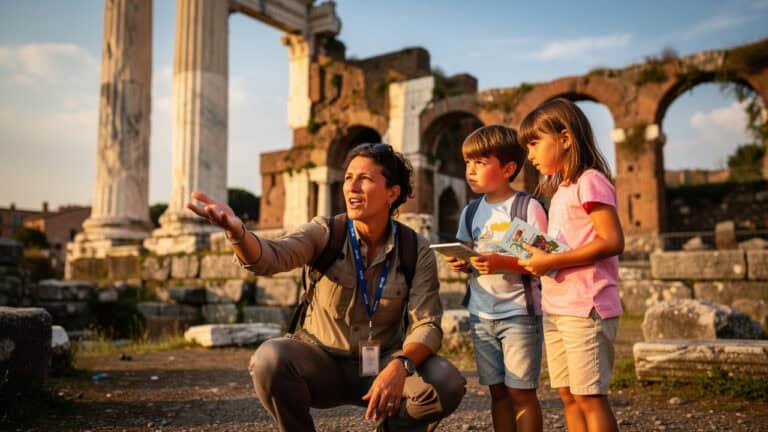
The same ticket covers both. Think of the Roman Forum as the old city center, filled with temples, arches, and civic buildings. A short Roman Forum guide or live guide turns “piles of stones” into real places where Romans traded, voted, and celebrated. Climbing Palatine Hill brings sweeping views over the Forum and the modern city. - Afternoon – Capitoline Hill and Vittoriano
Around midday, pass the Arch of Constantine and walk toward Capitoline Hill, designed by Michelangelo, for a free viewpoint over the ruins. Continue to the grand white Vittoriano monument (Altar of the Fatherland) for another high terrace and city views. - Late Afternoon – Aventine Hill and Hidden Views
Head to Aventine Hill to relax under orange trees in the Giardino degli Aranci and peek through the Knights of Malta keyhole for a perfect frame of St. Peter’s dome. - Evening – Monti Neighborhood
Enjoy aperitivo near Circus Maximus, then wander to Monti for dinner in a cozy trattoria and finish with gelato at Fatamorgana.
If walking all this feels like too much, a Private 3‑Hour ETuk Tour in Rome can cover Ancient Rome highlights plus secret viewpoints in one smooth loop, with hotel pickup and plenty of photo stops for families and small groups.
Day 2 – Vatican City, Art, Spirituality, and Renaissance Masterpieces
The second day focuses on Vatican City, a highlight of any itinerary for first-time visitors to Rome. Start in nearby Prati with a strong espresso at a specialty café such as Pergamino, then head to the Vatican Museums for the earliest time slot you can book. Tickets open about sixty days ahead and often sell out fast.
Inside, galleries packed with ancient statues, maps, and paintings lead toward the famous Sistine Chapel. Michelangelo’s ceiling and the Last Judgment cover the space from floor to ceiling, and silence plus no‑photo rules keep the mood thoughtful.
From there:
- Follow signs to St. Peter’s Basilica, or
- On some Vatican City tours, use a special passage to skip the long security line at the church.
St. Peter’s deserves unhurried time. The Pietà, Bernini’s canopy over the altar, and the massive dome all show how important this site is for art and faith. Dress modestly here and check that shoulders and knees stay covered, especially in summer.
After a morning indoors, grab excellent pizza al taglio at Bonci Pizzarium in Prati. Then walk to Castel Sant’Angelo, once Hadrian’s tomb and later a papal fortress. Its rooftop offers broad views back to the basilica and over the Tiber.
Crossing Ponte Sant’Angelo, lined with statues of angels, brings you toward the Centro Storico for wine at a small bar and dinner near the Pantheon. For a memorable finish, the Rome Evening Tour by Golf Cart from ETuk Tours Rome passes the Vatican area and other landmarks after dark, when lights sparkle and crowds thin.
Day 3 – Rome’s Heart, Iconic Fountains, Spanish Steps, and World-Class Art
Day three in a Rome 3 day itinerary centers on the classic city views seen in movies and postcards. Begin very early, around 7:30 or 8:00, when streets are quiet and cool.
- Start at Campo de’ Fiori, then drift toward Piazza Navona to admire Baroque fountains and watch the square wake up.
- Continue to the Pantheon, whose ancient dome still amazes architects. The oculus in the center lets daylight and even rain fall directly inside.
- From there, walk on to the Trevi Fountain before crowds build. Toss a coin over your right shoulder with your left hand to “guarantee” a return to Rome, then move on so others can enjoy the view.
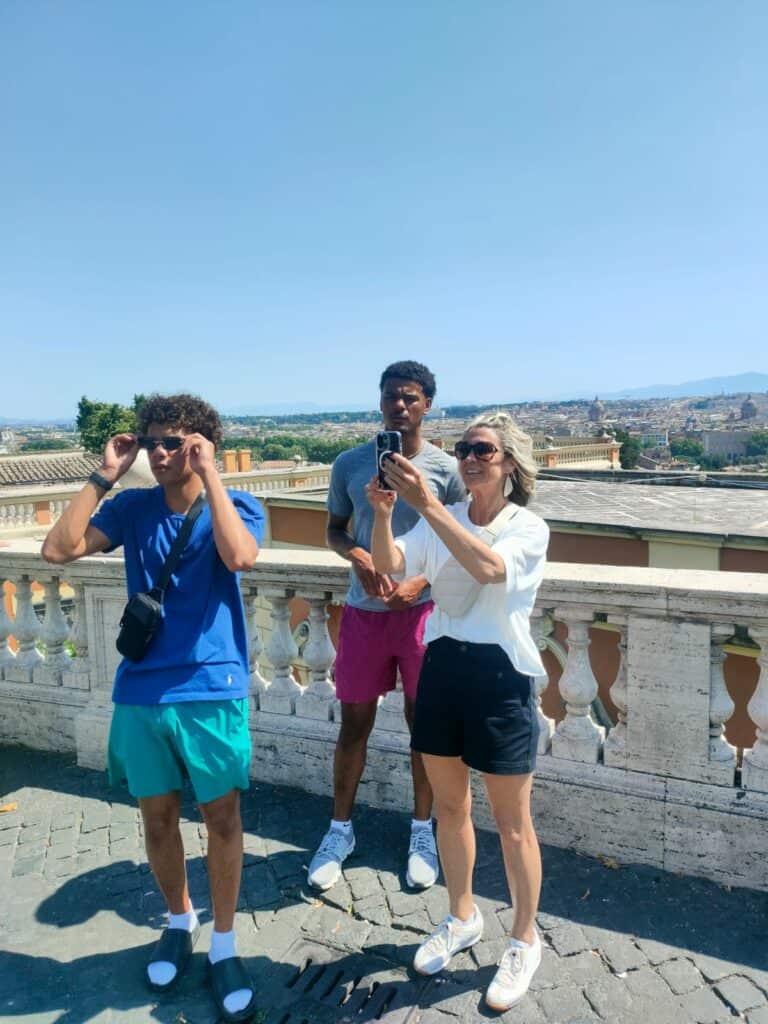
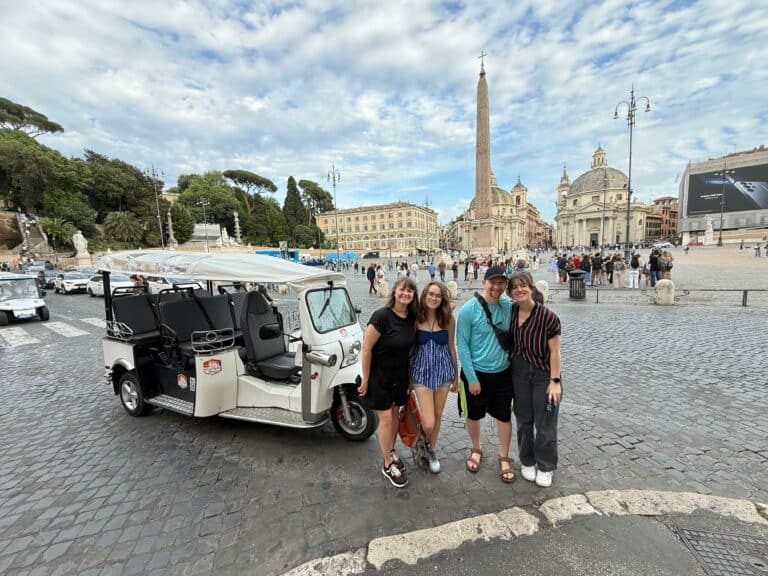
Next, head up to the Spanish Steps, remembering that sitting on the steps can bring a fine. Explore nearby designer stores if shopping is part of the plan, then reach Piazza del Popolo and climb to Terrazza del Pincio for one of the best free views in the city. This string of sights creates a perfect Rome walking tour through the historic center.
In the afternoon, focus on art at the Borghese Gallery. Tickets are released in timed blocks and go fast, so book weeks ahead. Inside, Bernini’s sculptures such as Apollo and Daphne seem almost alive, and paintings by Caravaggio line the walls. Afterward, stroll through the Villa Borghese gardens for fresh air and shade.
For evening, choose a hands‑on cooking class or a guided Rome food tour in Trastevere or Testaccio, tasting supplì, pizza al taglio, and local wine while a guide explains Roman food traditions.
A Culinary Guide to Rome – Must-Try Foods and Dining Etiquette
Food is a huge part of any itinerary for first-time visitors to Rome. The city’s most famous dishes use simple ingredients, but the results stay in the memory long after the trip ends. Knowing what to order and how Romans eat makes meals smoother and more fun.
Start with the four classic Roman pastas:
- Cacio e pepe: Pecorino Romano cheese and black pepper mixed into a creamy sauce (without cream).
- Gricia: Cacio e pepe with the addition of crispy guanciale (cured pork cheek).
- Carbonara: Egg yolk, guanciale, Pecorino, and black pepper for a rich, silky sauce.
- Amatriciana: Guanciale again, plus tomato and cheese for deeper flavor.
Ask for these dishes in traditional trattorias rather than tourist menus heavy with fettuccine Alfredo.
Street food keeps energy up between sites:
- Supplì: Fried rice balls with a melted mozzarella center.
- Pizza al taglio: Pizza baked in big trays and sold by weight, perfect for a quick bite between Rome tourist attractions.
- Trapizzino: A triangle of pizza bread stuffed with fillings like meatballs or eggplant, turning classic sauces into easy hand food.
Coffee and gelato have their own informal rules:
- Order “un caffè” at the bar for a quick espresso at a low price, and keep cappuccino for breakfast hours only.
- For gelato, look for natural colors and flat or lidded metal tubs, not tall neon mountains.
- Places like Fatamorgana and Gelateria dei Gracchi are strong choices.
Aperitivo, the pre‑dinner drink with snacks between six and eight, is a pleasant daily pause and a good time to watch local life.
“Life is a combination of magic and pasta.”
— Federico Fellini
ETuk Tours Rome also offers food‑focused tours that mix these tastes with relaxed street exploring, ideal for serious food fans who want to combine sightseeing with local flavors.
Maximizing Your Time – Tips for Shorter and Extended Rome Visits
Not every traveler can follow the same itinerary for first-time visitors to Rome. Some arrive on a cruise with only one day, while others add extra days at the end of a longer Italy trip. A few smart choices help each case.
For different trip lengths:
- One Day in Rome
Focus on the biggest sights: start at the Colosseum and Forum, cross the center to the Pantheon and Trevi Fountain, and end with St. Peter’s Basilica and Square. This is a long, tiring day on your own. ETuk Tours Rome solves this for cruise guests with the Rome Day Tour by Golf Cart Cruise Ship Experience from Civitavecchia and the Private Rome in a Day Tour from Your Cruise Ship, both with private port transfers and a clear route. - Two Days in Rome
Spend one day on Ancient Rome and the historic center, then one day on Vatican City and an evening in Trastevere. This matches many classic first-time plans. - Four or More Days in Rome
Add sites such as the Catacombs, Baths of Caracalla, Testaccio Market, or day trips to Tivoli, Frascati’s wine hills, or even Pompeii with a guided tour that includes transport. More days mean slower mornings, longer meals, and extra time to repeat favorite spots.
Insider Tips – Avoiding Scams, Saving Money, and Smart Travel Hacks
A smart itinerary for first-time visitors to Rome is not just about sights. It also helps you avoid common mistakes.
To stay safe and relaxed:
- Be aware that pickpockets work in crowded areas, especially on buses near Termini, around the Colosseum, and at the Trevi Fountain. Keep phones and wallets in zipped bags worn in front.
- Ignore people offering “free” bracelets, roses, or petitions. These often turn into pressure to pay.
- Only use ATMs attached to banks, not stand‑alone machines in quiet corners.
To save money:
- Look into the Roma Pass or similar Rome city pass options, which combine transport and museum discounts.
- Remember that many top views and churches are free, including the Trevi Fountain, Spanish Steps, and St. Peter’s Basilica (though lines can still be long).
- The first Sunday of the month brings free entry for many state sites, and the Vatican Museums are free on the last Sunday, but crowds are intense.
Practical everyday tips:
- Vatican dress code for churches, and keep a thin scarf in a day bag to cover shoulders.
- Refill water at nasoni instead of buying bottles all day.
- Make dinner bookings for popular places, especially near the Pantheon and Trastevere.
Guides from ETuk Tours Rome routinely point out tourist traps to skip and share local Rome travel tips, from honest gelato shops to quieter side streets for walking.
Why Choose ETuk Tours Rome for Your First Visit
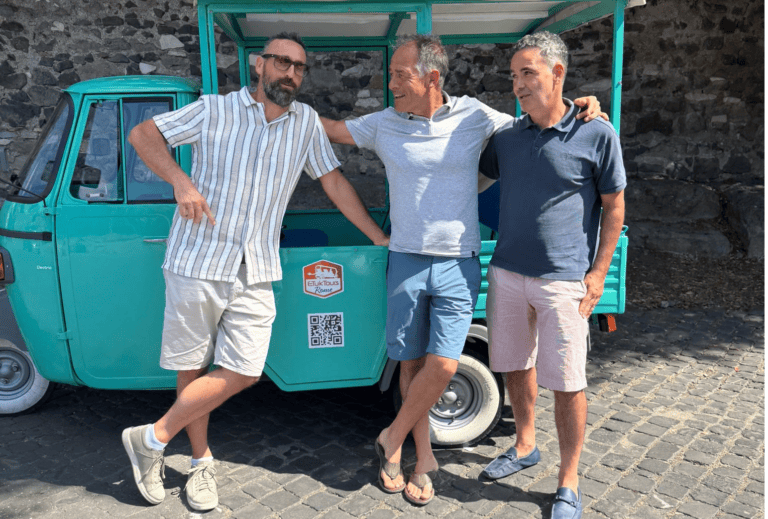
Many Rome sightseeing tour options exist, but ETuk Tours Rome was among the first electric tuk-tuk operators in the city and knows its streets well. Small, quiet vehicles glide into alleys and squares that coaches and big vans cannot reach. This means more time at sights and less time stuck in traffic or walking long detours.
For families, older travelers, and cruise passengers, comfort matters. Sitting in an open‑air electric tuk-tuk or golf cart lets everyone see the city without long uphill walks or crowded buses. Private tours, such as the Private 3‑Hour ETuk Tour in Rome, adjust timing and stops around each group’s pace and interests, from extra minutes at the Colosseum to surprise viewpoints above the Tiber.
Key advantages of ETuk Tours Rome include:
- Local guides who share clear stories instead of dry lists of dates.
- Flexible itineraries that match your schedule, from cruise visits to short city breaks.
- An all‑electric fleet that supports more responsible sightseeing.
- Port pickup services for cruise guests from Civitavecchia, turning a rushed day ashore into a smooth, rich Rome visit.
“A fool is one who admires other cities without visiting Rome.”
— Francesco Petrarca (Petrarch)
Conclusion
Rome can feel like too much at first glance, but a clear itinerary for first-time visitors to Rome turns that feeling into calm excitement. Booking key sites early, visiting big attractions in the morning, and mixing famous monuments with neighborhood walks bring balance to the trip. Three or four days give most travelers a comfortable rhythm, though even one very focused day can be rewarding.
The most powerful Rome travel tips are simple. Choose a central place to stay, wear good shoes, and leave space in the schedule for coffee, gelato, and slow evenings on a piazza. Remember that memories come not only from the Colosseum or a Sistine Chapel visit, but also from small moments like kids chasing bubbles or locals chatting at a bar.
Start planning now by reserving those must‑have tickets and noting your own Rome travel guide ideas. If the thought of buses, traffic, and tight timings feels stressful, let ETuk Tours Rome handle the movement while you simply look around. Rome has been charming visitors for centuries, and with a smart plan, it will do the same for this trip.
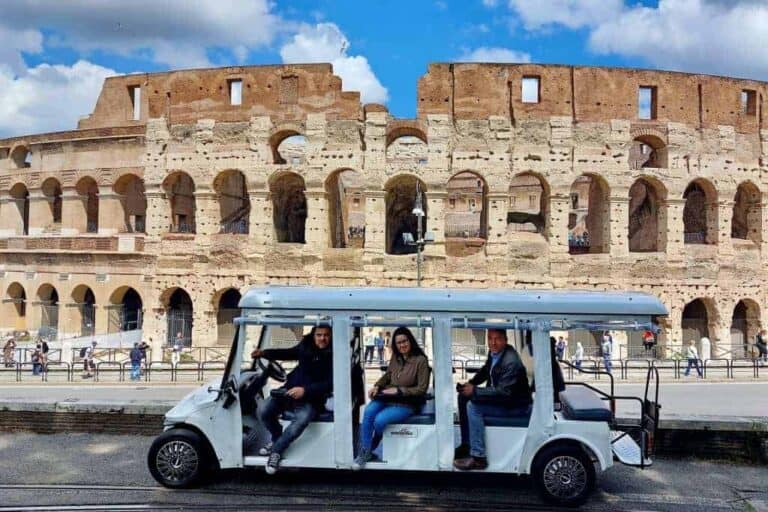
Tour of Rome in 7 seater Golf Cart
Golf Cart Tour Rome – Explore Rome at ease on our 3‑hour shared golf cart tour in Rome. Glide past the Colosseum, Trevi Fountain, Vatican Square and more in comfortable, eco‑friendly style – perfect for small groups wanting to see the city’s highlights with ease and fun. Book now for a memorable ride through Rome!
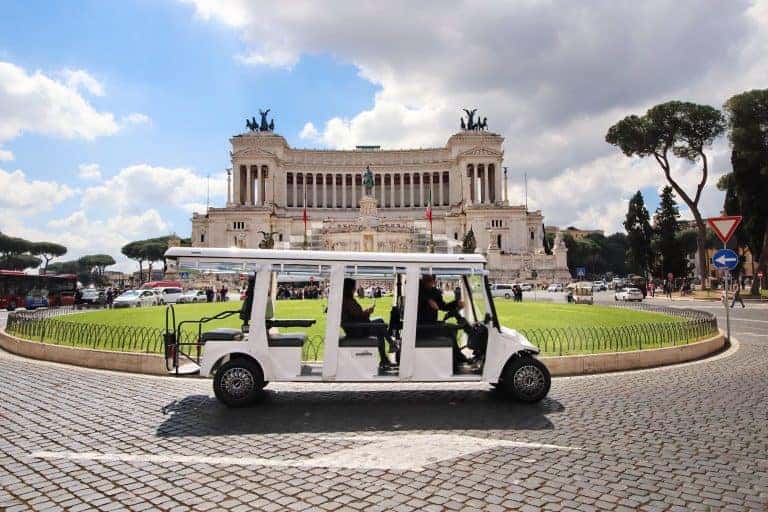
Rome Day Tour by Golf Cart: Cruise Ship Experience from Civitavecchia
Rome Golf Cart Tour from Civitavecchia Cruise Port – Step off your ship at Civitavecchia and glide through Rome on our Rome Day Tour by Golf Cart. Enjoy private transport, a relaxed ride through the city’s iconic sights, and seamless return—your perfect one‑day Roman adventure.
FAQs
Question 1 – How Many Days Do You Need In Rome For a First Visit
Most people do best with three to four days in Rome. That length matches a classic itinerary for first-time visitors to Rome, with one major attraction per day and extra time for wandering. Shorter stays still work if you focus carefully and use efficient transport such as ETuk Tours Rome to link distant sights.
Question 2 – What Is the Best Time of Year To Visit Rome
Spring from March to May and fall from September to November usually offer the best mix of mild weather, daylight, and reasonable crowds. Summer brings heat and long lines, while winter is cooler and cheaper. Whatever the season, book major sites early and plan for changes in weather with light layers and sun protection.
Question 3 – Do You Need To Book Colosseum and Vatican Tickets In Advance
Yes, it is very important to reserve Colosseum tickets and Vatican Museums entry ahead of time. These places often sell out days or weeks before a visit, especially in high season. Early booking saves hours of waiting in ticket lines and helps you lock in a sensible daily plan.
Question 4 – How Do You Get From Civitavecchia Cruise Port To Rome
Civitavecchia sits about fifty miles from Rome, with the ride usually taking one to one and a half hours. Trains are the cheapest choice but require handling shuttles, stations, and timetables on your own. ETuk Tours Rome offers dedicated cruise tours with private round‑trip transport and a full Rome itinerary already planned.
Question 5 – What Should You Wear When Visiting Vatican City and Churches
When visiting Vatican City or any church, both men and women need covered shoulders and knees. Short shorts, low‑cut tops, and sleeveless shirts can lead to being turned away. Comfortable closed shoes are also wise, since there is a lot of standing and walking inside these sacred spaces.