
Food Tours Rome
Discover the true taste of Rome on a unique food tour through the city’s most authentic neighborhoods. Travel comfortably in our Italian Tuk Tuk or Golf Cart while enjoying local street food, traditional dishes, and handpicked stops loved by locals.
Food Tour Rome by Tuk Tuk & Golf Cart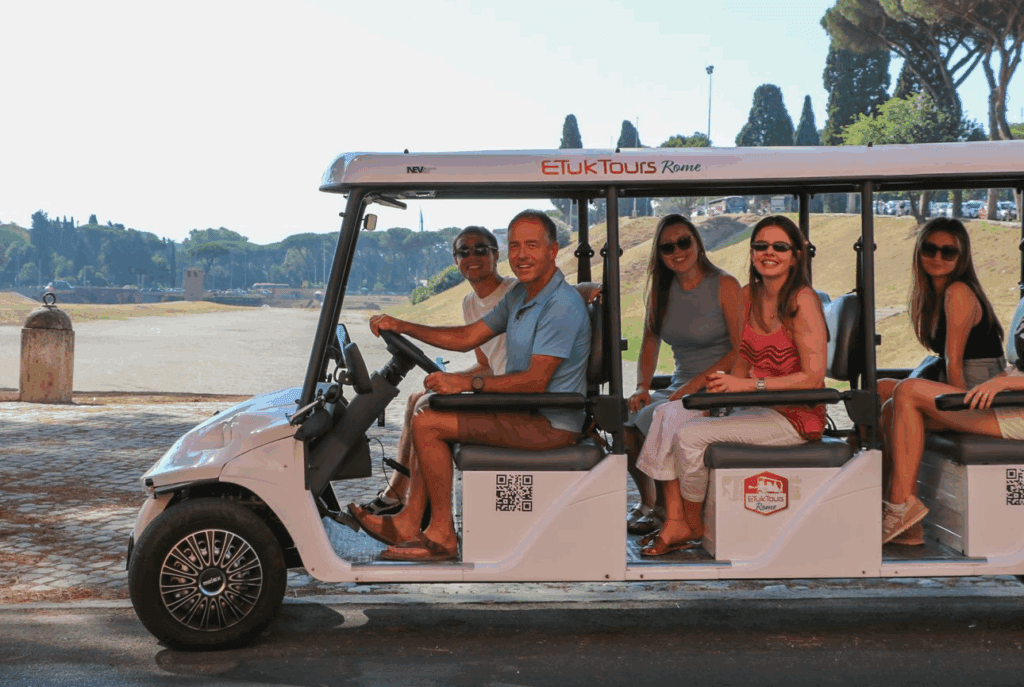
Rome Food Tour by Golf Cart – A True Taste of Rome
Rome Food Tour by Golf Cart – Hop into a golf cart and uncover a true taste of Rome on our Rome food tour by golf cart. Glide through legendary sights like the Colosseum, Jewish Ghetto and Trastevere, then savour five cheeses, five cured meats, bread and wine inside a 2,000‑year‑old cave – this is dining and discovery rolled into one unforgettable ride.
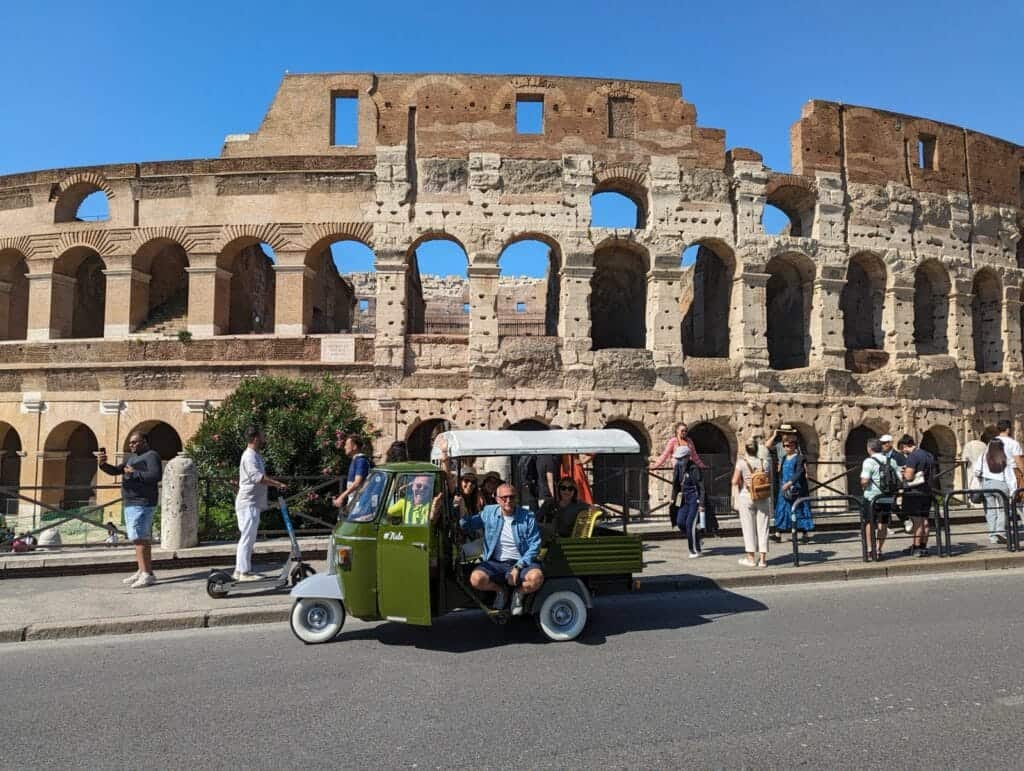
Private Rome Food Tour by Italian Tuk Tuk – A True Taste of Rome
Private Rome Food Tour by Italian Tuk Tuk – Join our unique Rome food tour in a tuk tuk and uncover the heart of Rome’s culinary scene. Drive past iconic landmarks, explore hidden neighborhoods, and indulge in five cheeses, five cured meats, artisan bread and local wine—all in one unforgettable ride through ancient streets. Book your flavorful adventure now!
What To Expect
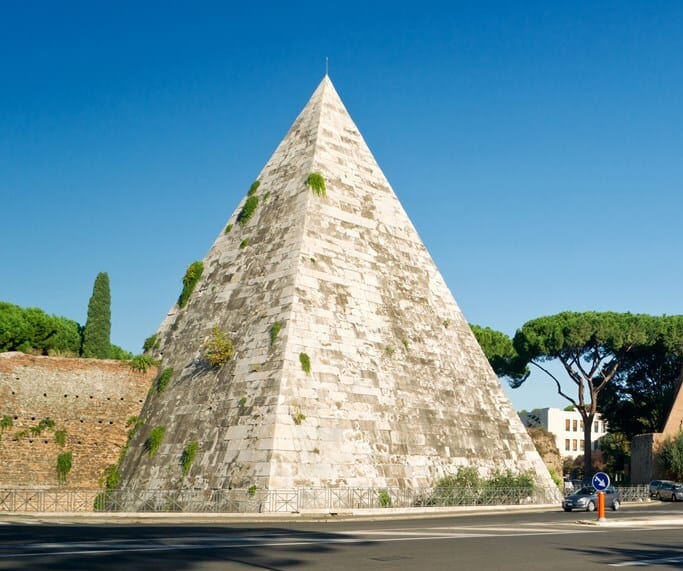
1. Pyramid of Caius Cestius (18-12 BC)
The Pyramid of Caius Cestius stands as one of Rome's unique and fascinating monuments, with its distinctly Egyptian style. Built between 18 and 12 BC as the tomb for Caius Cestius Epulo, a magistrate and religious official, this pyramid is a testament to the influence of Egypt on Roman culture. The construction of the pyramid, completed in an impressive 330 days as stipulated in Cestius' will, was an ambitious feat, showcasing a blend of Roman architectural prowess and Egyptian inspiration. Standing 36 meters high, this pyramid has endured through the centuries, remaining a remarkable sight along the Aurelian Walls.
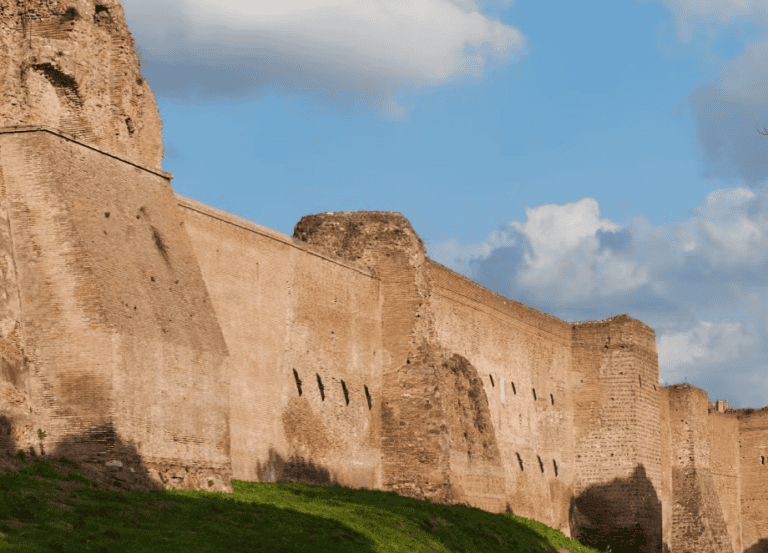
2. Aurelian Walls (271 – 275 AD)
Constructed under Emperor Aurelian’s rule between 271 and 275 AD, the Aurelian Walls were built to defend Rome against barbarian invasions, which had become an increasing threat. These defensive walls stretched over 19 kilometers, encircling the city with an imposing presence and employing approximately 25,000 soldiers for protection. Initially, the walls stood at a height of 8 meters, but under Emperor Maxentius, they were doubled in height to 16 meters, making them a formidable defensive structure. The Aurelian Walls continue to be a powerful reminder of ancient Rome’s focus on defense and survival in the face of external pressures.
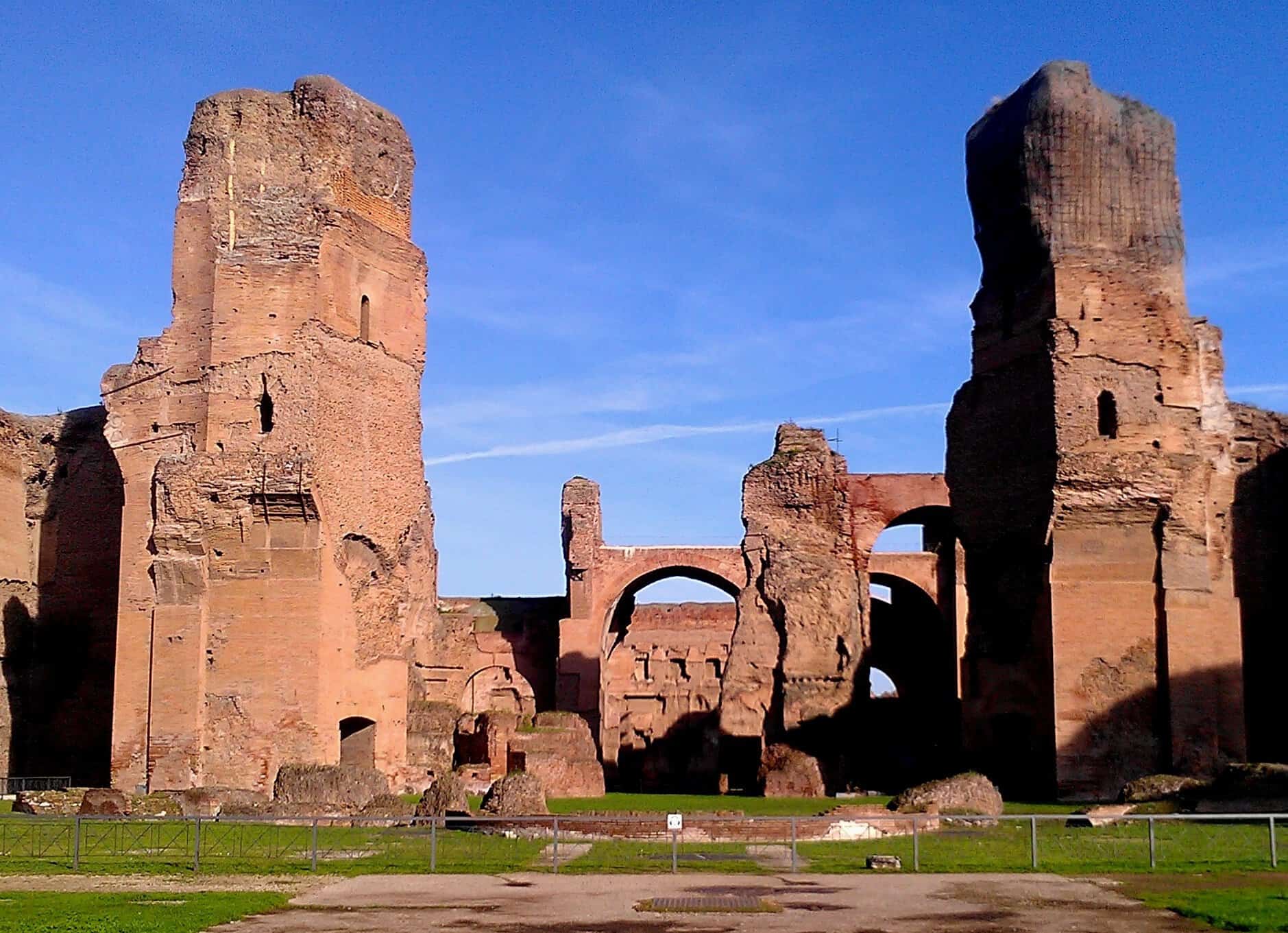
3. Baths of Caracalla (Built 212-216 AD, Finished 235 AD)
The Baths of Caracalla, or Terme di Caracalla, are among Rome's most grandiose and luxurious public bathhouses, constructed between 212 and 216 AD under Emperor Septimius Severus and his son, Caracalla. These baths were much more than a place for bathing; they were a sprawling complex covering 25 hectares, with space for 1,600 people at a time. Visitors could enjoy libraries, shops, gyms, gardens, and outdoor pools. The complex served as an essential hub of social and cultural life in Rome until it ceased operation in 530 AD. The name Caracalla itself comes from a popular Gallic cloak that the emperor wore, leaving his mark on the fashion and culture of the time.
4The Beginning of the Appian Way (312 BC)
Known as the "Queen of Roads," the Appian Way was constructed by Appius Claudius Caecus in 312 BC. Stretching from Rome to Brindisi, it was initially designed for military purposes to aid Rome's expansion and connect the empire. Starting at Porta Capena, the Appian Way was instrumental in Rome's strategic and economic growth. It later became a vital commercial route, symbolizing the strength and reach of the Roman Empire. This historic road, now a UNESCO World Heritage site, remains a captivating part of Rome's landscape, inviting visitors to trace the footsteps of ancient travelers.
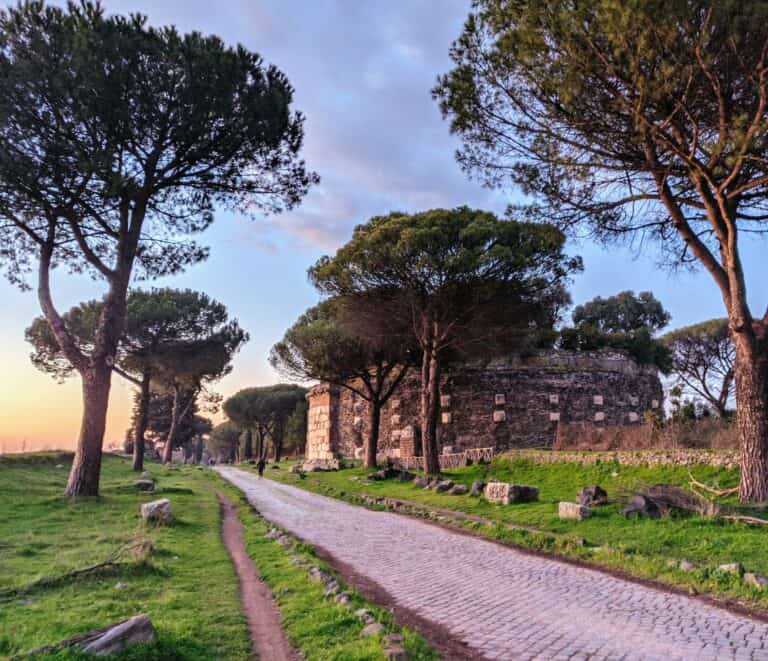
5. Prima Colonna Miliaria Appia
The first milestone of the Appian Way, or Prima Colonna Miliaria Appia, marks the beginning of this iconic road just outside Porta San Sebastiano. This simple yet symbolic milestone not only signifies the start of the Appian Way but also the beginning of a route that held immense importance for Rome's military, political, and economic endeavors.
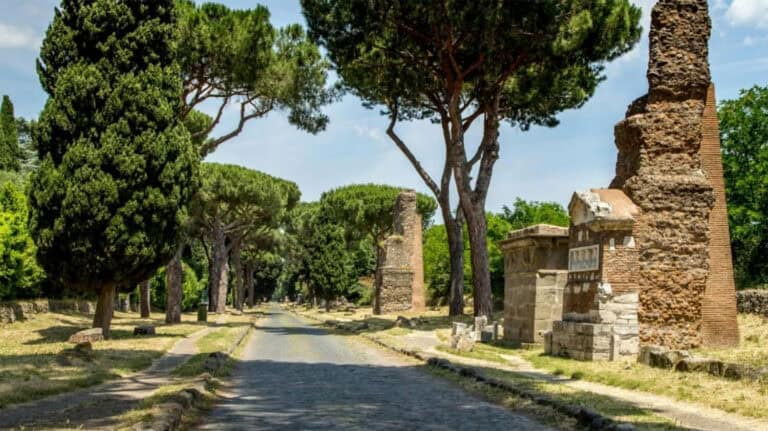
6. Santo Stefano Rotondo (Saint Stephen)
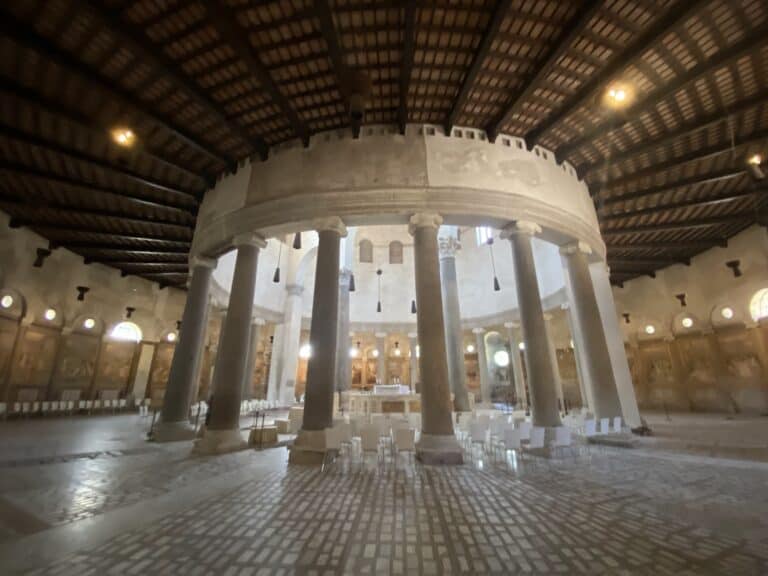
Santo Stefano Rotondo, a unique circular church dating back to the 5th century, was built under Pope Leo I. It is the first circular church in Rome and features Corinthian columns that add to its architectural beauty. Historians suggest that the site might have been a Mithraeum or even a military place for the Castra Peregrinorum, the "secret service" of Rome. Dedicated to Saint Stephen, the first martyr, this church holds a special place in Roman religious history, reflecting a blend of early Christian architecture and remnants of ancient Roman practices.
7. Porta Pia & Porta San Sebastiano
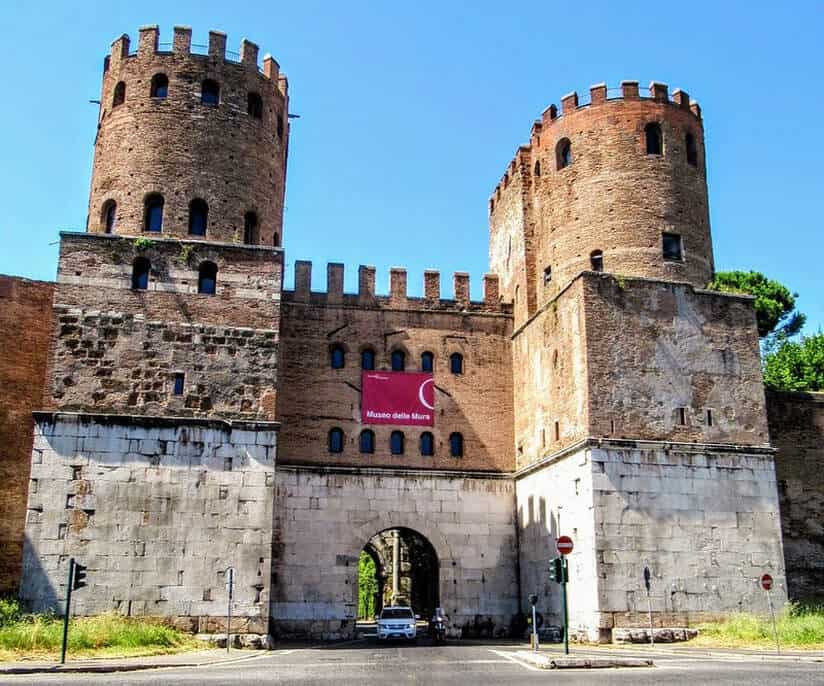
Porta Pia and Porta San Sebastiano are two of the most significant gates along the Aurelian Walls, representing Rome's strength and strategic foresight. Built between 271 and 274 AD, these gates were designed to safeguard Rome against barbarian invasions. Porta San Sebastiano, in particular, has become one of the best-preserved ancient gates, standing as a proud testament to Rome's efforts to defend its empire. These monumental gates serve as reminders of the city's long-standing legacy of resilience.
8. Chiesa Quo Vadis
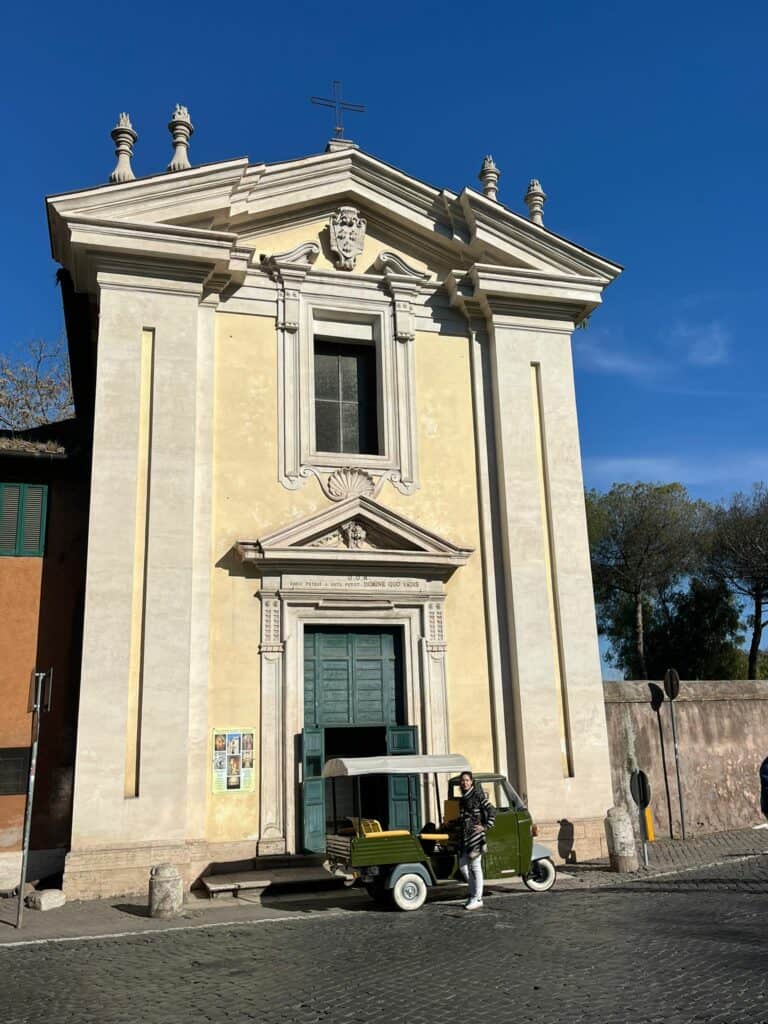
The Chiesa Quo Vadis, or Church of Domine Quo Vadis, is steeped in legend and religious significance. According to tradition, it was here along the Appian Way that Saint Peter, fleeing persecution, encountered a vision of the resurrected Jesus. When Peter asked, "Quo vadis, Domine?" ("Lord, where are you going?"), Jesus replied, "I am going to Rome to be crucified again." This encounter gave Peter the courage to return to Rome, where he met his fate. Visitors today can see a stone bearing the imprints believed to be Christ’s feet, a revered relic for pilgrims.
9. Catacombs of San Callisto
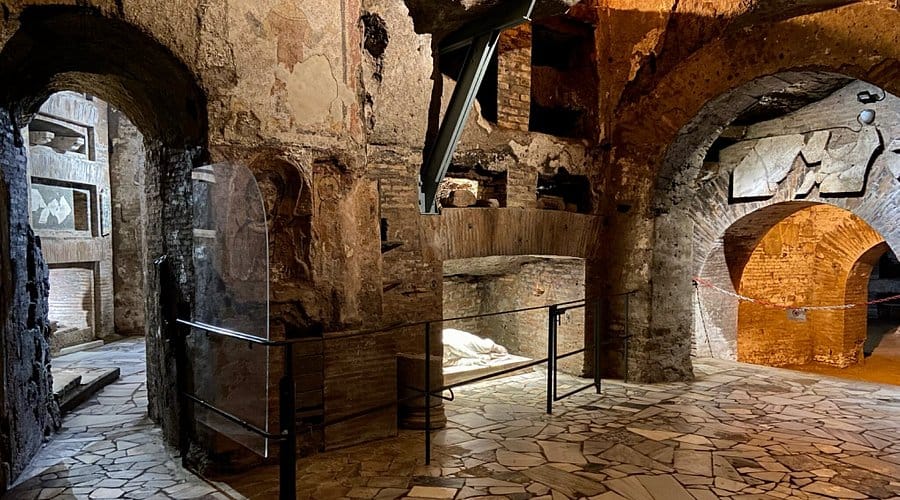
The Catacombs of San Callisto, dating back to the 3rd century AD, are a sprawling underground cemetery that once held the remains of over half a million Christians. These catacombs serve as a poignant reminder of early Christian life, persecution, and burial customs. Visitors to the catacombs can explore the narrow passageways lined with tombs and crypts, where early Christians once gathered to practice their faith in secrecy.
10. Mausoleum and Villa of Maxentius (306-312 AD)
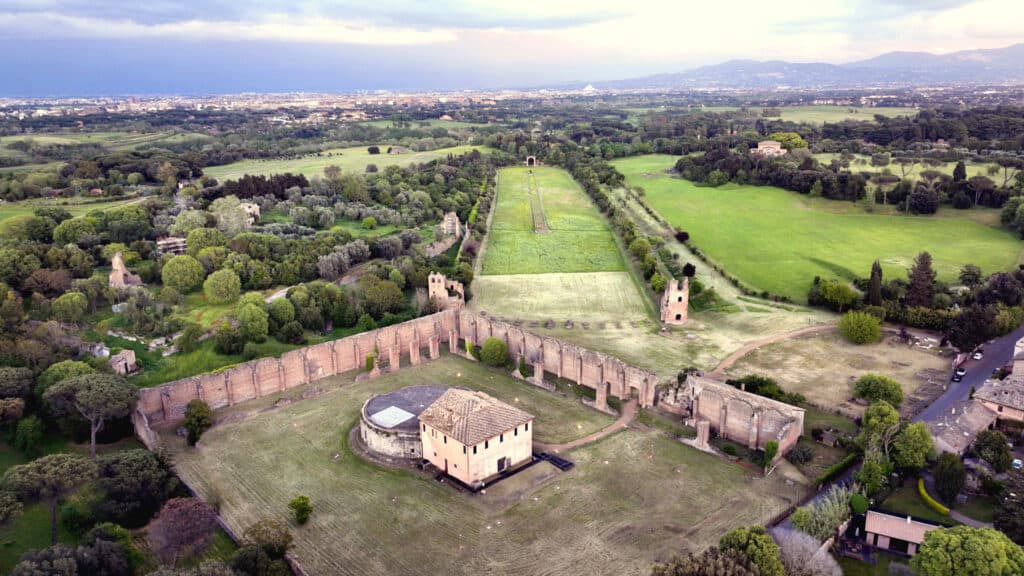
The Mausoleum and Villa of Maxentius represent a luxurious and grand estate along the Appian Way. Originally built on the remains of a Roman Republican villa, Emperor Maxentius transformed it into an opulent residence complete with a mausoleum and a racecourse for horses. However, after Maxentius was defeated by Constantine, the villa was abandoned, leaving only remnants of its former splendor.
11. The Appian Way
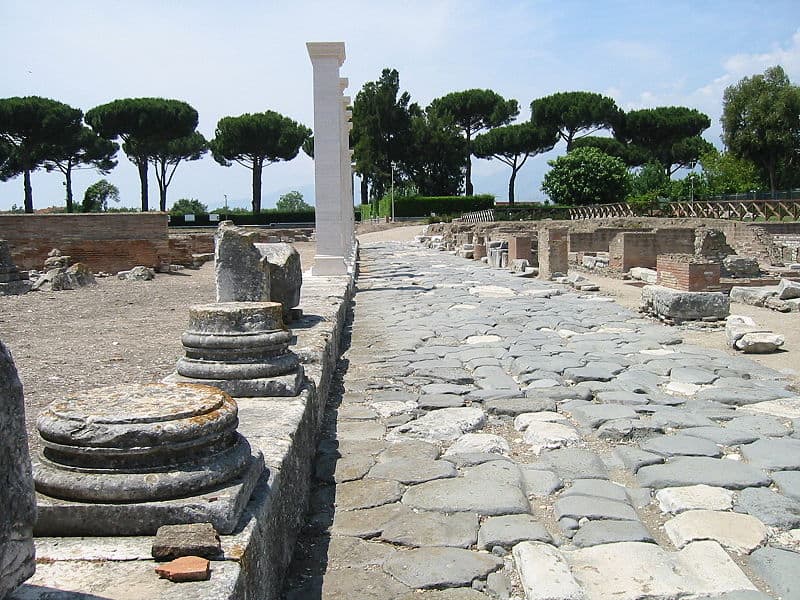
The Appian Way, known as the "Queen of Roads," was constructed in 312 BC under the guidance of Appius Claudius Caecus. This iconic road played a significant role in Rome's military conquests and commercial expansion, stretching all the way to Brindisi. In July 2024, the Appian Way received UNESCO World Heritage status, solidifying its importance as a historical and cultural landmark. Today, it remains a living piece of Roman history, drawing visitors eager to walk along its ancient cobblestones.
12. Garbatella District
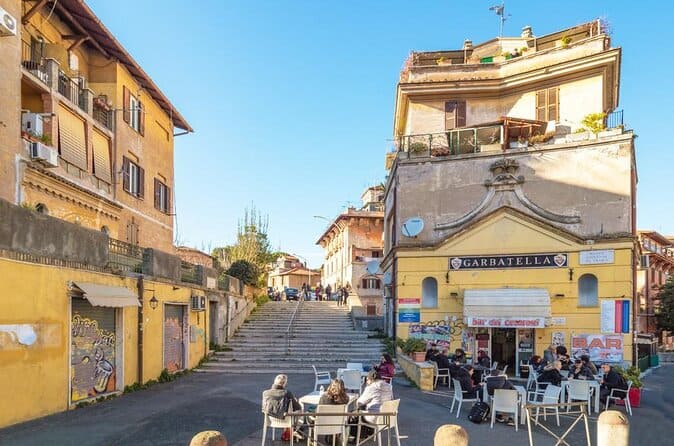
The Garbatella District, one of Rome's most intriguing neighborhoods, boasts an architectural style inspired by the garden city movement popular in early 20th-century England. Originally a working-class suburb, Garbatella has since blossomed into a vibrant cultural center, known for its unique architecture, artistic community, and thriving gastronomy scene. A stroll through Garbatella reveals its charm, with gardens, theaters, and cafes that bring the area's rich history and creativity to life.
13. Testaccio District
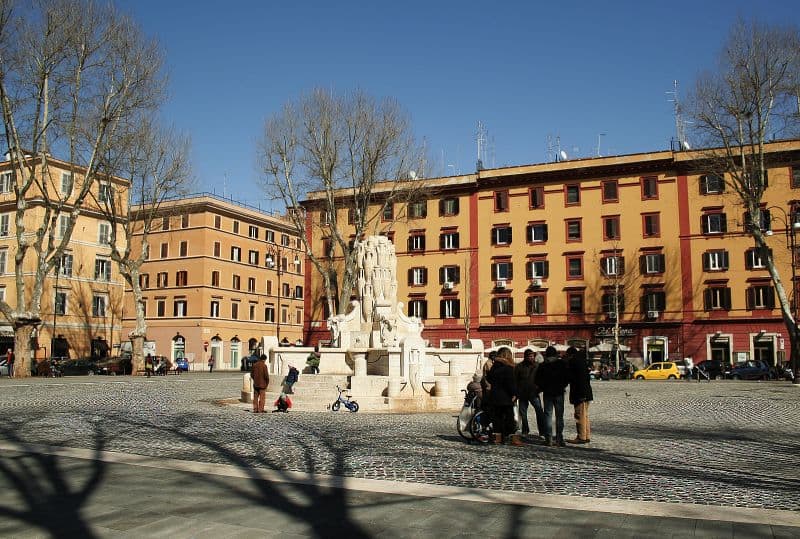
The Testaccio District, once Rome's bustling harbor area, is now a lively part of the city center, blending history with modernity. Originally a working-class neighborhood, Testaccio is renowned for its authentic Roman restaurants, lively markets, and vibrant nightlife. With a history rooted in trade and labor, this district offers a genuine taste of Roman life, making it a must-visit for those seeking an authentic cultural experience in Rome.
Food Tours in Rome – Where Taste Meets Experience
Find Your Perfect Culinary AdventureRome is a city that engages all five senses, but its soul is best understood through taste. For visitors to the Eternal City, navigating the labyrinthine streets in search of authentic Italian food can be daunting. Amid the tourist traps and generic menus lies a vibrant, centuries-old food culture waiting to be discovered. This is where a Rome Food Tour becomes an indispensable tool, transforming a simple vacation into a deep, flavorful immersion. The demand for such experiences is undeniable; the Italy culinary tourism market is projected to generate a revenue of 44.88 billion USD in 2024, a testament to the world’s growing appetite for genuine gastronomic adventures.
With Rome’s tourism numbers soaring—reaching 21 million arrivals in 2023—it’s more important than ever to have a strategy for finding the true heart of its culinary scene. This guide is designed to be your authoritative resource for navigating the world of Roman food tours. We will delve into the philosophy of Roman Cuisine, explore the must-try dishes, and provide a personalized framework for selecting the perfect culinary adventure that matches your unique tastes and travel style. Prepare to unlock the flavors of Rome, one unforgettable bite at a time.
Unlocking Rome’s Flavors: Why a Food Tour is Your Ultimate Culinary Gateway
A food tour in Rome is far more than a progressive meal; it’s a curated experience that offers context, access, and a genuine connection to the city’s culture. It’s the difference between merely eating Italian cuisine and truly understanding it.
More Than Just Eating: An Immersion in Roman Food Culture
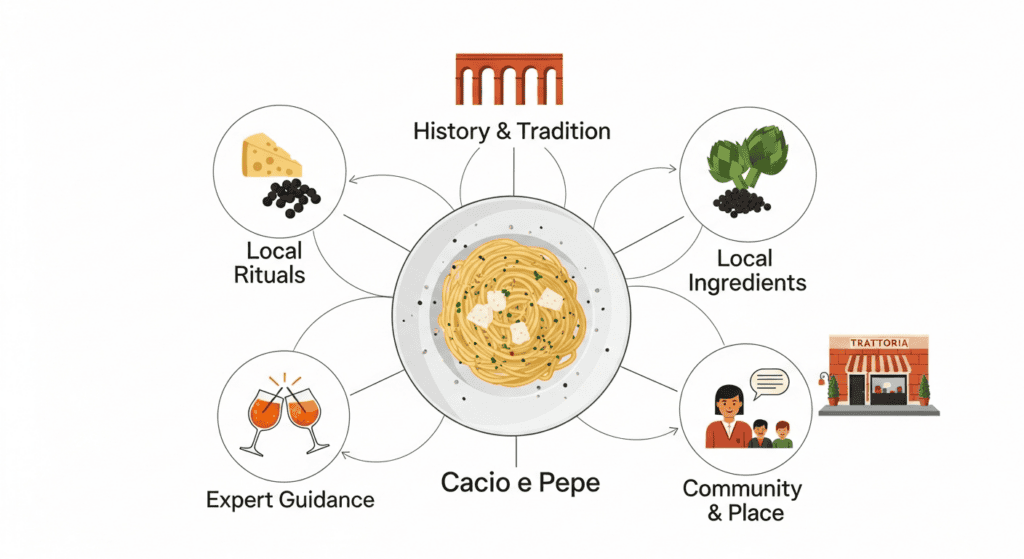
A food tour is more than a meal; it’s an immersion into the layers of Roman culture, from history and ingredients to local rituals.
A high-quality Rome Food Tour offers a multi-layered experience, connecting what’s on your plate to the city’s history, people, and daily rhythms. Food in Italy is a cornerstone of life, a ritual that binds family and community. A tour is your invitation into this world, providing a living education on deep-rooted culinary traditions. You’ll learn about aperitivo, the cherished social hour bridging work and dinner, often celebrated with an Aperol Spritz or glass of Prosecco. You’ll grasp why Romans are fiercely proud of their local dishes and why seasonality isn’t a trend but a time-honored mandate. Each stop on a Walking Food Tour is a chapter in a story, explaining not just what you’re eating, but how it fits into the fabric of Roman life.
Expert Guidance: Navigating the Local Food Scene Like a Roman
One of the greatest assets of any food tour is the tour guide. A great guide is a storyteller, a Rome resident, and a culinary concierge rolled into one. Experts like cookbook author Katie Parla or local guides such as Massimiliano Cipullo possess the insider knowledge to distinguish a truly artisanal gelato shop from a tourist-focused one, or to lead you to a family-run trattoria that has perfected its Amatriciana recipe for generations. They are your key to navigating the vibrant local food scene, decoding menus, explaining the origins of a dish, and answering questions you didn’t even know you had. With a guide, you bypass the guesswork and anxiety of choosing where to eat, allowing you to relax and savor every moment of your food-packed walk.
Discovering Hidden Gems: Beyond the Tourist Traps and into Authentic Eateries
Rome is a city of immense popularity, and with that comes a proliferation of eateries designed for mass tourism, often at the expense of quality. Food tours are expertly designed to circumvent this. They take you down cobblestone alleys and into unassuming storefronts that hold some of the city’s best-kept culinary secrets. You might find yourself in a tiny forno (bakery) like the historic Antico Forno Boccione in the Jewish Ghetto, a salumeria slicing paper-thin prosciutto, or a local market where vendors know your guide by name. These are the places where Romans eat, offering a genuine taste of the Eternal City and sometimes revealing a Secret Dish unique to that tour, an experience championed by companies like Secret Food Tours.
Connecting with History: How Food Reflects Rome’s Past and Present
Roman Cuisine is a living history book. Every dish tells a story of the city’s past, from ancient traditions to modern innovations. The classic pastas, for instance, often use simple, preserved ingredients like guanciale (cured pork jowl) and Pecorino Romano cheese, reflecting the humble food of shepherds. The distinct specialties of the Jewish Quarter speak to a history of resilience and creativity, born from centuries of making delicious food within a confined space near the Portico Ottavia. A food tour guide expertly weaves these narratives into the tasting experience, connecting the flavors on your plate to historical monuments, papal history, and the everyday lives of Romans throughout the centuries.
The Heart of Roman Cuisine: Understanding What You’ll Savor
Roman food, at its core, is honest, robust, and deeply satisfying. It is rooted in cucina povera (peasant cooking), a philosophy that emphasizes making the most of simple, high-quality, and seasonal ingredients. Understanding these fundamentals is key to appreciating every bite on your tour.
The Philosophy of Roman Food: Simplicity, Freshness, and Seasonal Ingredients
Unlike the intricate sauces of French cuisine or the complex spice blends of other cultures, Roman cooking champions simplicity. The goal is not to mask the primary ingredients but to elevate them. A perfect plate of Cacio e Pepe contains little more than pasta, cheese, and pepper, yet its execution is an art form. This philosophy extends to every corner of the Roman kitchen. Vegetables are enjoyed when they are at their peak—tender artichokes in spring, vibrant tomatoes in summer. The focus on fresh, organic ingredients is not a modern trend; it is the unwavering foundation of Italian cuisine.
Essential Roman Dishes: A Taste of the Eternal City’s Staples
Beyond pasta and pizza, Roman Cuisine features a host of iconic dishes that are integral to its identity. One classic is Saltimbocca alla Romana, thin veal cutlets layered with prosciutto and sage, pan-fried to perfection. Another is Coda alla Vaccinara, a slow-braised oxtail stew with tomatoes and celery, a quintessential example of “nose-to-tail” eating born from the city’s slaughterhouse district, Testaccio. These authentic Italian dishes represent the heart of Roman home cooking and are often featured in traditional restaurants visited on a food tour.
Iconic Pastas: Carbonara, Cacio e Pepe, and Amatriciana
Rome is the undisputed capital of four iconic pasta dishes. Each is a masterclass in simplicity and flavor, and a high-quality Rome Food Tour will often feature at least one.
- Carbonara: A rich and creamy sauce made from egg yolks, Pecorino Romano cheese, freshly cracked black pepper, and crispy guanciale. Authentic Carbonara never contains cream.
- Cacio e Pepe: The ultimate minimalist pasta, its name literally means “cheese and pepper.” The magic lies in creating a silky, emulsified sauce from the starchy pasta water and finely grated Pecorino Romano. Many tours make a point to find the perfect Cacio & Pepe.
- Amatriciana: Hailing from the nearby town of Amatrice but perfected in Rome, this sauce features guanciale, Pecorino cheese, and San Marzano tomatoes. It strikes a perfect balance of savory, fatty, and acidic notes.
- Gricia: Often considered the “white Amatriciana,” this dish is the ancestor of the others, featuring just guanciale, Pecorino, and black pepper.
Street Food Delights: Supplì, Roman Pizza (Pizzarium), and Fiori di Zucca
Rome has a thriving street food culture, perfect for a quick and delicious bite while exploring.
- Supplì: These fried rice balls are the quintessential Roman snack. Typically filled with a simple tomato sauce and a piece of mozzarella in the center, they are nicknamed supplì al telefono because when broken in half, the melted cheese stretches out like a telephone cord.
- Pizza al Taglio: Roman-style “pizza by the cut” is baked in large rectangular trays and sold by weight. The crust is typically light and airy, with a signature crunch. Toppings range from the simple pizza bianca (brushed with olive oil and salt) to the inventive, masterful combinations found at legendary spots like Pizzarium, run by the celebrated Gabriele Bonci. This is Roman pizza at its finest.
- Fiori di Zucca: A delicate treat, these are zucchini blossoms stuffed with mozzarella and a sliver of anchovy, then battered and deep-fried to a golden crisp.
Roman Jewish Specialties: Carciofi alla Giudia and Filleti di Baccalà
The historic Jewish Ghetto of Rome has its own unique and delicious culinary traditions. Two standouts are essential tasting experiences:
- Carciofi alla Giudia: “Jewish-style artichokes” are a triumph of technique. Whole artichokes of the alla Romana variety are pressed open to resemble a flower, then deep-fried twice until the outer leaves are shatteringly crisp and the heart is tender and buttery. This Roman Jewish fried artichoke is a masterpiece.
- Filetti di Baccalà: These are simple yet irresistible fillets of salt cod, dipped in a light batter and fried. Served piping hot in a piece of paper, they are a beloved street food staple in the Jewish Quarter and beyond.
Sweet Endings: Gelato, Tiramisù, and Ciambella
No culinary exploration of Rome is complete without indulging in its sweet treats.
- Gelato: True artisanal gelato is a world away from commercial ice cream. It’s made with less cream and more milk, churned at a slower speed to incorporate less air, and served at a slightly warmer temperature, resulting in a denser texture and more intense flavor. A food tour will guide you to shops that use real, natural ingredients, perhaps even sparking an interest in a place like Gelato University for the truly dedicated.
- Tiramisù: This world-famous dessert of coffee-soaked ladyfingers layered with a whipped mixture of eggs, sugar, and mascarpone cheese is a classic on many Roman menus.
- Cannoli: While Sicilian in origin, Rome has perfected this sweet treat, with shops like La Cannoleria Siciliana offering crispy shells filled with sweet, creamy ricotta.
The Importance of Ingredients: DOP Cheeses (Parmigiano-Reggiano, Burrata), Prosciutto, and Local Produce
The secret to great Italian cuisine lies in its ingredients. Many tours include a stop at a salumeria or market to highlight this. You’ll learn about DOP (Denominazione di Origine Protetta) products, a legal designation guaranteeing the quality and origin of foods. This includes DOP cheese like Pecorino Romano (the sharp, salty sheep’s milk cheese essential to Roman pastas), Parmigiano-Reggiano, and creamy Burrata cheese. You’ll sample different ages of Prosciutto, understanding how time and technique affect its flavor. A walk through a local market like Campo de’ Fiori showcases the seasonal produce that forms the backbone of Roman cooking.
Aperitivo Culture and Local Wines: Prosecco, Aperol Spritz, and D.O.C.G. Excellence
The early evening in Rome is reserved for aperitivo, a pre-dinner ritual designed to whet the appetite. It’s a social occasion, often involving a light, bitter cocktail like an Aperol Spritz or a celebratory glass of sparkling Prosecco, served with small snacks. Rome is also in the heart of the Lazio wine region, and many tours offer tastings of local wines, such as a crisp Frascati. You’ll learn about Italy’s wine classification system, including the highest designation, D.O.C.G. (Denominazione di Origine Controllata e Garantita), ensuring you’re sipping a wine of exceptional quality and heritage, perhaps even a world-class Brunello di Montepulciano from Tuscany if the tasting is broader. And of course, no morning is complete without a perfect Italian cappuccino.
How to Choose Your Perfect Culinary Adventure: A Personalized Approach
With a vast array of food tours available in Rome, selecting the right one can feel overwhelming. The key is to match the tour to your personality, interests, and practical needs. The growing desire for food-centric travel is clear, as international tourists spent 363 million euros in 2024 on Italian food and wine. This section will help you identify your “foodie personality” and consider the key logistics to find your ideal match.
Identify Your Foodie Personality: Matching Tours to Your Taste
Understanding your own culinary inclinations is the first step toward finding the perfect Rome Food Tour.
The Traditionalist/History Buff: Seeking Authentic Roman Cuisine and Storytelling
If you’re fascinated by the stories behind the food and crave classic, time-tested recipes, look for tours that focus on historic neighborhoods like the Centro Storico or Testaccio. Companies like Devour Tours often excel at weaving historical narratives into their culinary stops. These tours emphasize visits to century-old family businesses and traditional trattorias. The tour guide should be a skilled storyteller, connecting dishes to their historical roots in cucina povera and the city’s long legacy.
The Adventurous Eater: Eager to Explore Lesser-Known Specialties and Unique Flavors
For those who want to move beyond pasta and pizza, there are tours that delve into Rome’s more adventurous side. Look for itineraries that include offal dishes (quinto quarto or “the fifth quarter”) in the Testaccio neighborhood. You might also seek out tours that explore the unique flavors of the Jewish Ghetto or focus on modern Roman gastronomy. An adventurous tour from a company like Secret Food Tours, with its promise of a “Secret Dish,” will challenge your palate and introduce you to flavors you won’t find in a standard guidebook.
The Market Maven/Hands-On Learner: Interested in Ingredients, Cooking Classes, and Local Marketplaces (Mercato Trionfale)
If your passion lies in understanding where food comes from, a market-focused tour is ideal. These experiences often begin with a guided walk through a bustling local market like Campo de’ Fiori or the massive Mercato Trionfale near Vatican City. Many of these tours can be combined with a cooking class, where you’ll learn to transform your market finds into a delicious meal. This is the perfect choice for those who want to take the flavors of Rome home with them.
The Family with Kids: Looking for Engaging, Accessible, and Kid-Friendly Options
Traveling with children requires a different approach. The best family-friendly food tours are engaging, well-paced, and focus on foods that appeal to younger palates. Look for tours that include a pizza-making session, multiple gelato stops, and interactive elements. Shorter durations are often better, and guides who are experienced with kids can turn the tour into a fun and educational treasure hunt for flavors, ensuring everyone from the youngest to the oldest has a delicious time.
The Night Owl/Aperitivo Lover: Embracing Rome’s Evening Gastronomy and Social Scene
If you come alive after dark, an evening food tour is the perfect fit. These tours, such as the popular Twilight Trastevere experiences offered by operators like Eating Europe, often center around the vibrant Trastevere neighborhood. The focus is typically on the aperitivo culture, with stops for cocktails and appetizers, before moving on to dinner tastings of pasta and other Roman specialties. These tours capture the magical atmosphere of Rome at night and are a fantastic way to experience the city’s social dining scene.
The Luxury Seeker/Private Experience: Desiring Exclusivity, Customization, and Bespoke Tours (Private Rome Food Tour)
For the ultimate personalized experience, a Private Rome Food Tour offers unparalleled flexibility and exclusivity. You can work with the tour company to create a bespoke itinerary that caters exactly to your interests, whether that’s a deep dive into Lazio wines, a tasting tour of Michelin-starred restaurants, or an exclusive cooking class with a renowned chef. A private tour from a provider like The Roman Guy moves at your pace, allows for in-depth conversations with your guide, and provides a level of service perfect for special occasions, especially for guests staying at luxury hotels like the Hotel de Russie or J.K. Place Roma.
Key Considerations for Your Tour Selection
Once you’ve identified your foodie personality, consider these practical factors to narrow down your options.
Duration and Pace: From Quick Bites to Leisurely Feasts
Food tours in Rome typically last between three to four hours. A shorter, two-hour tour might be perfect for a brief introduction, while a four-hour Walking Food Tour offers a more comprehensive and leisurely feast. Pay attention to the amount of walking involved. Most tours are on foot, which is a wonderful way to see the city, but be sure to choose a pace that is comfortable for you and your group.
Group Size: Public Tours vs. Private and Customizable Experiences
Group size significantly impacts the tour experience. Small-group tours (typically capped at 12-15 people) offer a more intimate and personal feel, allowing for better interaction with the tour guide and vendors. Companies often highlight their small group sizes, which leads to glowing 5 Star Reviews. Large-group tours can be more budget-friendly but may feel less personal. A private tour provides the ultimate in customization and is ideal for couples, families, or groups of friends.
Dietary Restrictions and Allergies: Ensuring a Safe and Enjoyable Experience
This is a critical consideration. Reputable tour companies are well-equipped to handle most dietary needs, including vegetarian, gluten-free, and other allergies. However, you must communicate any restrictions clearly at the time of booking. Roman Cuisine is heavy on gluten, dairy, and meat, so it’s essential to confirm that the tour operator can provide delicious and safe alternatives for you. Do not assume accommodations can be made on the spot.
Budget: Finding Value at Every Price Point
Food tour prices can vary widely, generally ranging from around €80 to €150+ per person. While it may seem like a significant outlay, remember that a good tour often includes enough food to substitute for a full meal (or two), along with drinks and the invaluable expertise of a local guide. Look for promo codes or early booking discounts, and consider what is included in the price—the number of tastings, alcohol, and the duration—to assess the overall value.
Time of Day: Morning Market Rambles, Afternoon Tastings, or Twilight Trastevere Tours
The time of day dramatically changes the atmosphere of Rome and the focus of the tour.
- Morning Tours: Often centered around markets like Campo dei Fiori when they are at their most vibrant. This is the best time to see the city wake up and experience daily Roman life.
- Afternoon Tours: A perfect way to fill the gap between lunch and dinner, often exploring a mix of street food and sweet treats.
- Evening Tours: These tours capture the enchanting evening buzz, focusing on aperitivo culture and dinner tastings as the city’s lights begin to glow. A tour through Trastevere at twilight is a particularly magical experience.
Exploring Rome’s Culinary Neighborhoods: Where Your Journey Begins
While you can find delicious food all over Rome, certain neighborhoods offer a concentrated and particularly authentic culinary experience, making them prime locations for food tours. Each has its own distinct character and history reflected in its food.
The undisputed star is Trastevere. With its narrow cobblestone streets, ivy-draped buildings, and bohemian atmosphere, Trastevere is the picture-perfect vision of old Rome. By day, it’s charmingly quiet, but by night, it transforms into a bustling hub of activity. A food tour here, like the Foodie’s Delight Trastevere or Eating Well Trastevere, is an immersion in classic Roman dining, offering stops at historic bakeries, family-run restaurants serving perfect pasta, and artisanal gelato shops.
The Jewish Ghetto (or Jewish Quarter) is another essential culinary destination. As one of the oldest Jewish communities in the world, its food culture is a unique fusion of Roman and Jewish traditions. A walk from Piazza Mattei to the Portico Ottavia reveals bakeries and restaurants serving iconic dishes like the previously mentioned carciofi alla giudia and filetti di baccalà.
For a taste of market life, Campo de’ Fiori is unparalleled. Its daily market is a riot of color and sound, surrounded by excellent delis, bakeries, and cafes. Tours here often begin with tastings of cheese, cured meats, and seasonal fruit directly from market stalls.
Other key areas include the Prati neighborhood near Vatican City, home to the enormous Mercato Trionfale and modern eateries; and the area around Piazza Navona and Piazza Barberini, where historic cafes sit alongside fantastic restaurants tucked away from the main squares. Even major hubs like Termini Station are evolving, with upscale food courts offering high-quality introductions to Italian food.
A food tour is more than just a way to eat well in Rome; it is a strategic key to unlocking a deeper, more authentic understanding of the Eternal City. It transforms visitors from passive observers into active participants in a rich food culture that has been evolving for millennia. By entrusting a few hours to an expert local tour guide, you gain access to hidden gems, taste dishes perfected over generations, and hear the stories that infuse Roman Cuisine with its unique character.
The true value lies in the connection—to the organic ingredients, to the people who prepare them, and to the history that seasons every plate. You leave not just with a full stomach, but with a newfound appreciation for the Roman philosophy of food: a celebration of simplicity, quality, and the joy of sharing a meal. Whether you choose a hands-on cooking class, a bustling market tour, or a twilight stroll through Trastevere, you are investing in an experience that will resonate long after the last bite. Your perfect culinary adventure awaits.